Call us: +86-18965139230 | Mail to us: info@jekare.com

Material recovery has become a measurable line item in industrial manufacturing rather than a marketing talking point. The global metal recycling market was valued at USD 850.0 billion in 2023 and is projected to reach USD 1,135.3 billion by 2030, growing at a CAGR of 4.0%, according to Grand View Research. For manufacturers working with brass, stainless steel, and zinc alloys — the core materials behind faucets, shower systems, and toilet seat hardware — that growth reflects a simple operational reality: scrap has value, and recovering it has become part of how competitive factories run their lines, not an afterthought handled at the end of a production cycle.
Bathroom fixture manufacturing sits inside two waste streams at once. On the metal side, casting, CNC machining, and surface finishing generate offcuts, swarf, and rejected parts. On the plastic side, injection molding of components such as toilet seat covers, valve housings, and shower fittings produces sprues, runners, and out-of-spec shots. How a factory manages both streams affects unit cost, environmental compliance exposure, and — increasingly — how OEM buyers evaluate a manufacturing partner during supplier audits.

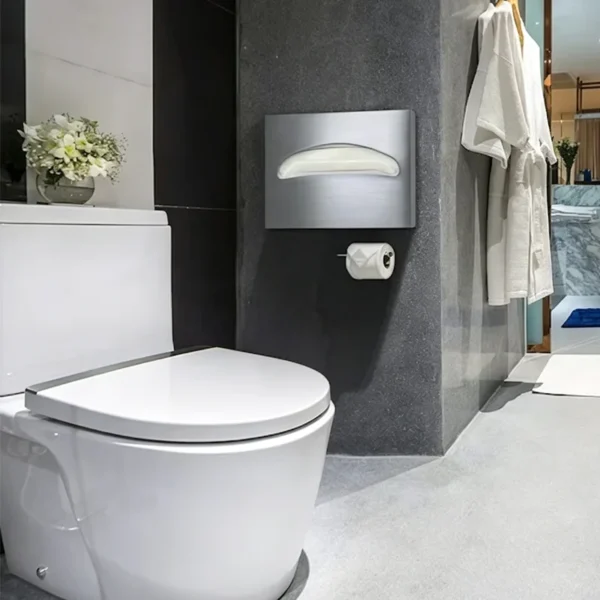
For bathroom brands sourcing through OEM or ODM arrangements, a supplier’s waste-handling practices are not a side issue. Unmanaged scrap and rework inflate the cost basis that eventually shows up in unit pricing, and inconsistent material recovery is often a symptom of inconsistent process control more broadly — the same instability that produces dimensional variance, finish defects, or delayed tooling changeovers. Buyers evaluating a new supplier increasingly treat material efficiency as a proxy for process discipline, alongside more traditional criteria like on-time delivery and certification status.
There is also a compliance dimension. As more markets tighten extended producer responsibility and packaging-waste rules, brands are asked by retailers and import partners to document not just product compliance (CE, WaterMark, WRAS) but supply chain environmental practices. A manufacturer that can describe its scrap segregation, regrind controls, and recycling partnerships in specific terms gives its brand customers something concrete to put in front of their own compliance reviewers.
Waste reduction in manufacturing has a formal framework behind it. Lean manufacturing methods target eight categories of process waste — defects, overproduction, waiting, non-utilized talent, transportation, inventory, motion, and extra processing — each of which the U.S. Environmental Protection Agency notes carries a potential environmental impact even though environmental agencies and lean practitioners don’t always define “waste” the same way, according to theEPA’s guidance on lean methods. In a bathroom fixture context, the categories that generate the most physical material waste are defects (a rejected casting or a warped injection-molded part) and extra processing (rework needed to bring an out-of-tolerance part back into spec).
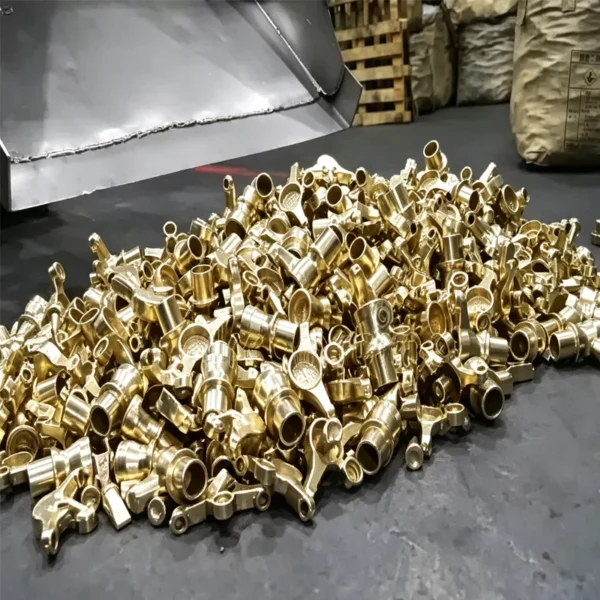
On the metal side, brass is structurally suited to recovery: brass is a copper-zinc alloy that does not lose its chemical or physical properties through repeated recycling, and the brass industry is organized specifically to reclaim machining swarf, which can run as high as 70% of a part’s original starting weight in CNC-heavy processes, according to theCopper Development Association. That figure matters for faucet and valve manufacturing specifically, where parts are frequently cut from solid brass bar stock and a large share of the starting material is removed during machining rather than retained in the finished part.
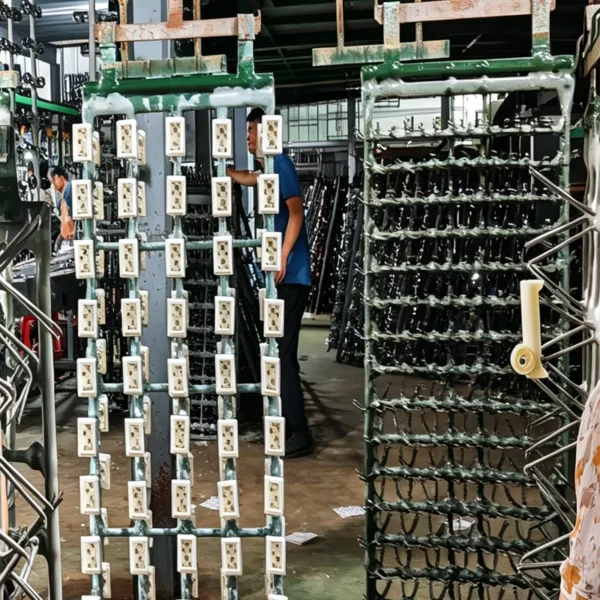
On the management side, ISO 14001 provides the internationally recognized framework manufacturers use to formalize waste and resource tracking as part of a certified environmental management system, covering how an organization identifies its environmental impacts, sets reduction targets, and demonstrates continual improvement to third-party auditors, per the ISO 14001 standard overview. Certification is voluntary, but it is increasingly requested during supplier qualification for brands selling into the EU and other markets with active extended producer responsibility regulation.
For a bathroom brand evaluating whether a manufacturing partner has real waste-management discipline rather than a general sustainability statement, the following questions apply to a sourcing conversation or factory audit.
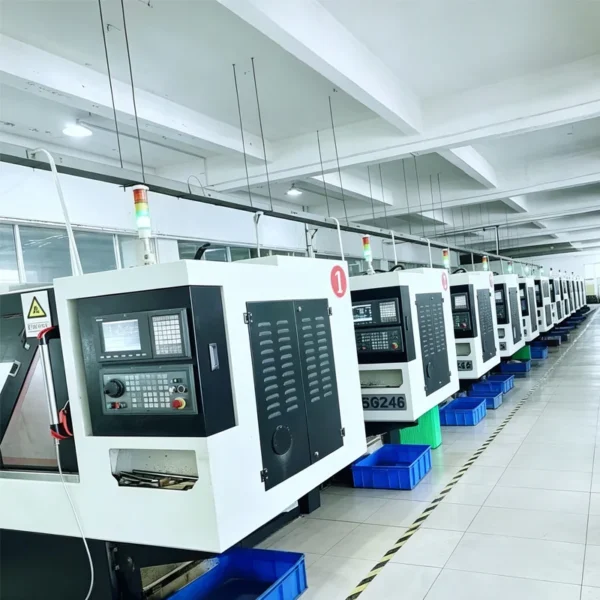
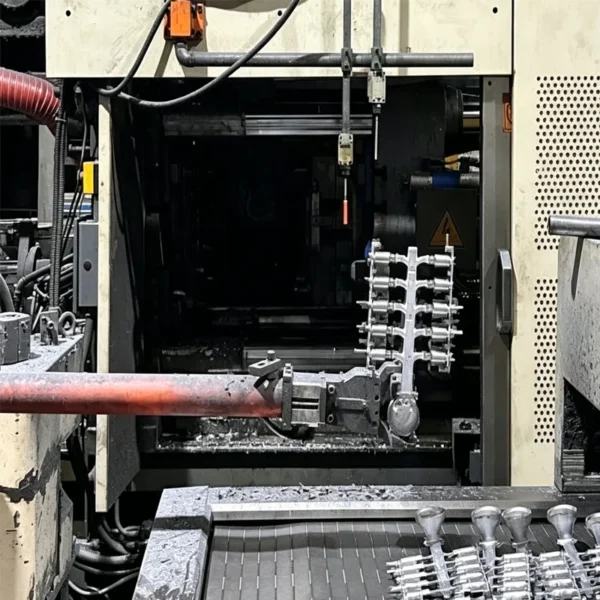
Material efficiency at the factory level connects directly to the next decision most bathroom brands face after choosing a material: how that material moves through casting or molding, into CNC machining or surface finishing, and finally through inspection before it reaches assembly. A supplier with weak scrap controls at any one of those stages is usually absorbing that cost somewhere in the quoted price, whether or not it’s itemized.
Beyond unit cost, this becomes a positioning question for brands selling into markets where retailers and hospitality buyers increasingly ask for supply chain documentation alongside product certification. Being able to describe, specifically, how a manufacturing partner recovers brass swarf or controls injection molding regrind gives a brand something more substantive to offer procurement reviewers than a general sustainability claim — and it reduces the risk of a documentation gap surfacing late in a retail or hospitality qualification process.
Material efficiency isn’t only a factory-floor metric — it shows up in how a product is engineered in the first place.
JEKARE’s faucet product line is built around brass components produced through in-house die casting and CNC machining, which keeps swarf and offcut material inside a single facility rather than moving between subcontracted shops — a setup that supports consistent alloy segregation and reduces the handling losses that occur when scrap changes hands between vendors.
For plastic components across the shower and toilet seat lines, plastic and LSR injection molding is run with controlled regrind blending on non-cosmetic parts, so runner and sprue material from a production run is reintroduced under a set ratio rather than discarded after a single shot. Brands evaluating a new faucet or shower program can review these process pages directly as part of a supplier qualification review.
Waste reduction in bathroom fixture manufacturing is less about a single environmental initiative and more about whether scrap, rework, and material recovery are tracked with the same rigor as dimensional tolerances or finish quality. The metal recycling market’s continued growth reflects an industry-wide shift toward treating scrap as recoverable value rather than a cost of doing business, and frameworks like ISO 14001 give brands a concrete standard to ask suppliers about during qualification. For OEM buyers, the practical takeaway is to treat waste-handling questions as part of standard supplier due diligence, not a separate sustainability audit layered on afterward.
Regrind is typically blended with virgin resin at a controlled ratio rather than used at 100%, and reputable manufacturers apply blend limits specifically because each reprocessing cycle changes the material’s heat history. The practice is standard in the industry when governed by a written ratio and material-generation tracking, rather than added informally.
In an organized machining operation, brass swarf is segregated by alloy and sold or returned into the brass supply chain, since brass retains its properties through repeated recycling. Landfilling clean, segregated swarf is uncommon in facilities with basic material-recovery procedures, because the scrap itself carries resale value.
Scrap rate typically refers to total material lost across a process (including planned losses like sprues and runners), while defect rate refers specifically to units or parts that fail inspection. A factory can have a “normal” scrap rate while having a defect rate that signals a process control problem — buyers should ask about both separately.
No. ISO 14001 does not mandate fixed environmental performance targets — it requires an organization to set its own goals based on its actual environmental impact and demonstrate continual improvement against those self-defined targets under third-party audit, rather than meeting a universal numeric benchmark.
It generally doesn’t lengthen lead time and can shorten it indirectly — lower defect and rework rates mean fewer parts cycling back through a process station, which reduces the variability that causes schedule slippage during a production run.
Jenny is a manufacturing engineer at JEKARE with over 20 years of experience in bathroom fixture production, specializing in material flow, process yield, and manufacturing efficiency across casting, machining, and injection molding operations. She has worked closely with global bathroom brands and distributors on supplier qualification reviews, helping buyers evaluate process control and material recovery practices during factory audits. Her background spans production planning, quality systems, and cross-process coordination between metal and plastic component manufacturing, with a focus on translating factory-floor practices into terms procurement teams can use in supplier decisions.
1.Grand View Research — Metal Recycling Market Report
https://www.grandviewresearch.com/industry-analysis/metal-recycling-market
2. U.S. Environmental Protection Agency — Types of Waste Targeted by Lean Methods
https://www.epa.gov/sustainability/types-waste-targeted-lean-methods
3. Copper Development Association — Brass Recyclability: Environmental & Economic Advantages
https://copper.org/publications/pub_list/pdf/a7034-Brass-Recyclability.pdf
4. International Organization for Standardization — ISO 14001 Environmental Management Systems
https://www.iso.org/standard/14001
✔ 20+ Years of OEM & ODM Manufacturing Experience
✔ In-House Die Casting, CNC Machining, and Injection Molding — Not Subcontracted Across Multiple Shops
✔ Documented Material Recovery and Regrind Controls by Process Station
✔ Full Inspection and Quality Validation Before Assembly
✔ Flexible Customization for Different Markets and Certification Requirements
✔ Reliable Manufacturing Partner for Global Distributors and Brands
Whether you’re evaluating a new faucet program or reviewing your current supplier’s process controls, JEKARE provides engineering-driven OEM manufacturing support from concept development through mass production.
Contact our team to discuss your next bathroom product project.