Industry Background: The Evolution of Faucet Production Standards
The global sanitary ware procurement market is undergoing a structural shift toward advanced material traceability and automated manufacturing precision. According to a 2025 manufacturing resilience report by McKinsey & Company, industrial buyers are increasingly auditing primary factories to ensure raw material purity and strict adherence to international heavy metal regulations. This evolution requires B2B brand owners and procurement managers to understand the exact metallurgical and mechanical processes behind modern bathtub faucet manufacturing.
Rising Global Demand for Certified Sanitary Ware
Market intelligence reports from
Grand View Research indicate that the global sanitary ware market continues to expand steadily, driven by upscale hospitality and residential construction. As consumer expectations for fixture longevity increase, brands can no longer rely on superficial product assembly; they must partner with primary manufacturers who control every stage of production from raw alloy to final packaging.
Stricter Compliance and Environmental Mandates
Regulatory bodies across North America and Europe have enforced rigorous lead-free standards and water conservation rules. Frameworks managed by the
U.S. Environmental Protection Agency (EPA) WaterSense dictate that internal waterways and valve mechanisms must pass strict leaching and flow-rate examinations before entering commercial supply chains.
Why Material Selection Dictates Faucet Longevity
Selecting the correct alloy is the foundational step in producing a commercial-grade bathtub fixture that withstands decades of daily water pressure and thermal expansion.
The Superiority of Low-Lead Forging Brass
High-end bathroom fixtures rely primarily on HPb59 or C46500 copper alloys. These materials offer optimal tensile strength, excellent resistance to dezincification, and superior thermal conductivity. Choosing certified brass ensures that the fixture body will not crack under sudden pressure surges or water hammer events.
Comparing Alternative Materials: Stainless Steel vs. Zinc Alloys
While zinc alloys are occasionally used for decorative handles due to their casting fluidity, they lack the structural density required for pressurized main bodies. Stainless steel offers exceptional corrosion resistance but presents severe machining challenges and higher tooling costs during complex gravity die casting operations.
Faucet Casting Process: From Raw Ingot to Solid Body
The physical form of a bathtub faucet begins in the foundry, where raw metal ingots are transformed into dense, pressure-resistant structural components.
Gravity Die Casting vs. Sand Casting
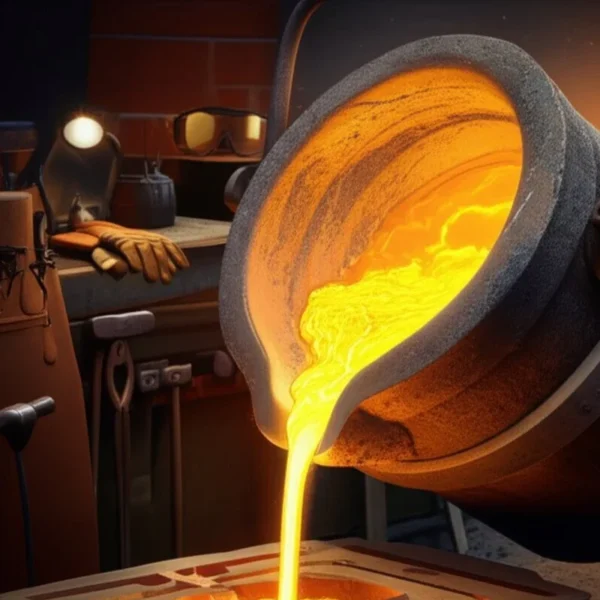
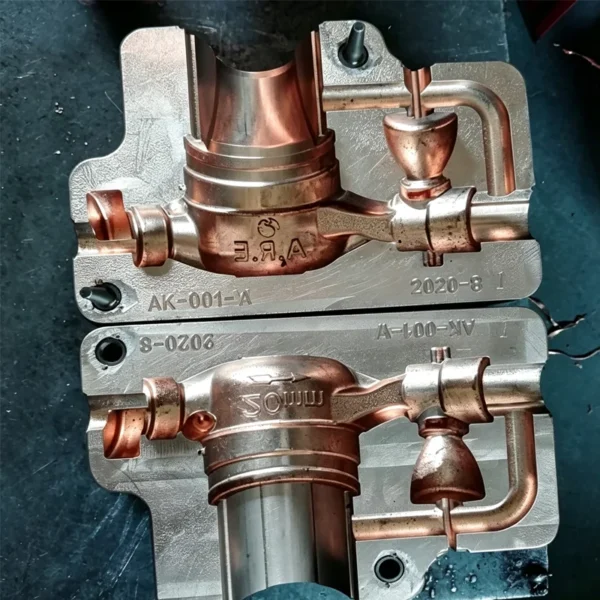
Gravity die casting uses reusable steel molds, allowing molten brass to flow smoothly under gravitational force. This method yields a finer grain structure, eliminates internal porosity, and delivers superior dimensional accuracy compared to traditional sand casting methods.
Controlling Core-Pin Alignment and Wall Thickness
During the pouring stage, precise alignment of internal sand or metal cores ensures that the internal water channels maintain uniform wall thickness. Even minor core shifts can result in weak spots, wall thinning, and potential leakage during high-pressure performance trials.
Solidification and Thermal Management
Controlled cooling rates prevent internal micro-cracks and stress concentrations within the brass casting. Advanced foundries monitor mold temperature cycles continuously to guarantee batch-to-batch metallurgical consistency.
Precision Machining and Internal Tolerances
Once the raw brass casting cools, it moves to the machine shop for high-precision finishing that prepares the body for internal valving and exterior connections.
CNC Machining for Valve Seats and Threading
Modern
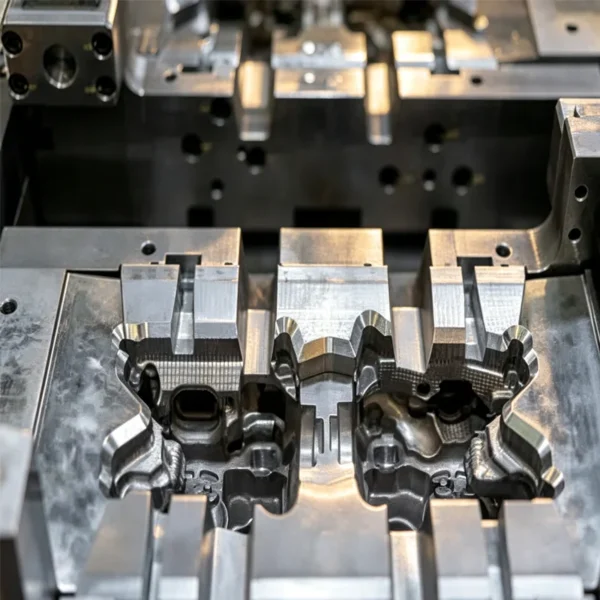
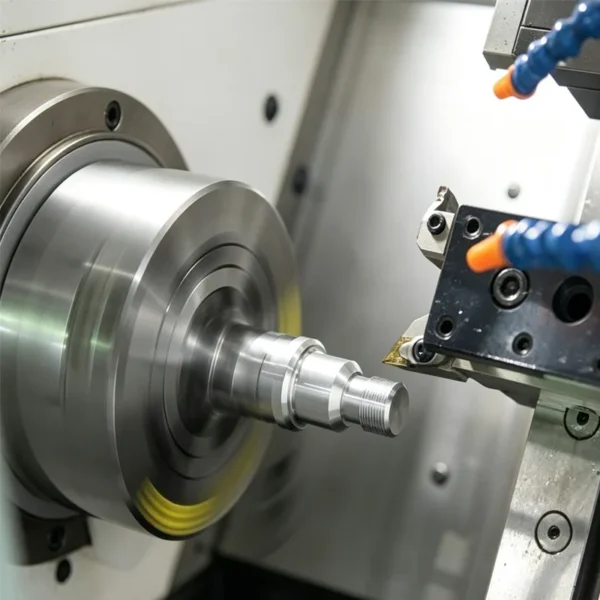
CNC machining centers execute multi-axis milling and threading operations in a single setup. Maintaining micron-level tolerances on valve seats is crucial to prevent leakage around ceramic cartridges and diverter mechanisms.
Internal Waterway Flushing and Debris Removal
Machining operations inevitably leave microscopic metal shavings within the internal channels. Automated ultrasonic cleaning stations and high-pressure flushing systems ensure that all debris is completely removed prior to assembly.
Surface Finishing Mastery and Corrosion Resistance
The visual appeal and environmental durability of a bathtub fixture depend entirely on the quality of its multi-layer surface treatment.
Mechanical Grinding and Polishing
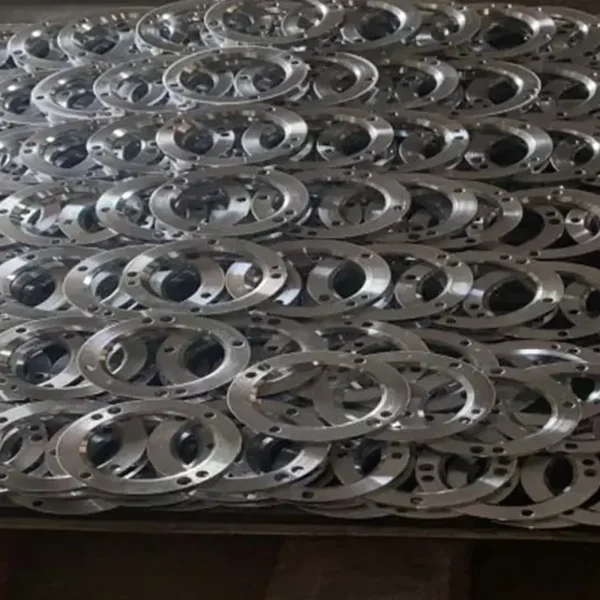
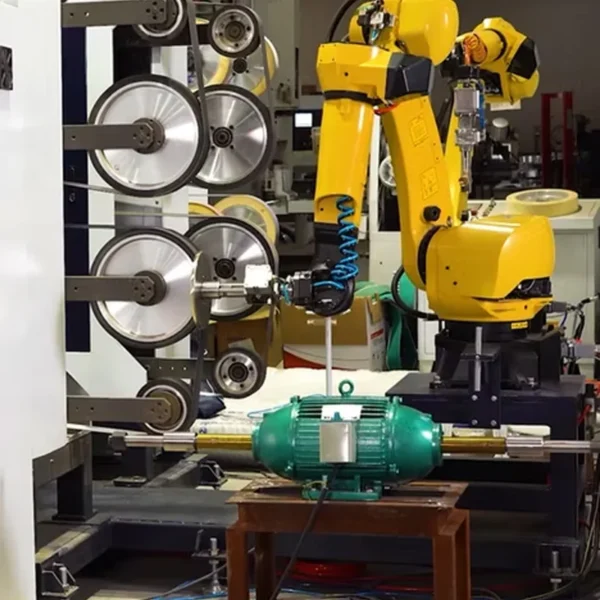
Before plating, raw brass bodies undergo automated belt grinding and manual polishing to eliminate parting lines, surface blemishes, and micro-scratches, creating a mirror-like substrate.
Electroplating and PVD Coating Technologies
Advanced
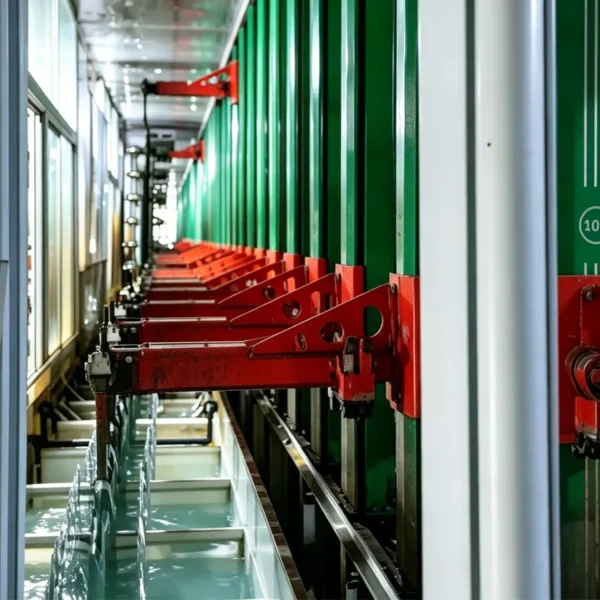
surface finishing lines apply copper, nickel, and chrome layers via electroplating, or titanium-based compounds via Physical Vapor Deposition (PVD). These treatments provide exceptional scratch resistance and pass rigorous salt-spray corrosion tests.
Quality Control and Pressure Testing Protocols
Ensuring zero defects before shipment requires an uncompromising, multi-step quality assurance infrastructure within the manufacturing facility.
100% Hydrostatic and Pneumatic Testing
Every single bathtub faucet body undergoes rigorous hydrostatic pressure testing to verify structural integrity under simulated residential and commercial water pressures.
Spectrochemical Alloy Verification
Incoming raw material batches are verified using advanced spectrochemical analyzers to confirm exact copper, lead, and trace metal percentages, ensuring total regulatory compliance.
JEKARE Engineering Perspective: What We See on the Production Floor
Our engineering and production teams work closely with global brands transitioning from outsourced trading companies to direct manufacturing partnerships. A consistent trend in these collaborations is the increasing demand for total supply chain transparency.
The Shift Toward Transparent Quality Documentation
Procurement managers no longer accept generic factory inspection sheets. During recent production cycles for custom bathtub fixture programs, our engineering team observed a sharp rise in requests for real-time ceramic cartridge cycle-life logs and cross-sectional density reports. Brand owners require absolute proof that internal diverter valves can withstand over 500,000 switching cycles without failure.
Integrating DFM Principles Early in Product Development
When brands share their CAD drawings early, our engineers apply Design for Manufacturing (DFM) principles to optimize draft angles, wall thicknesses, and threading specifications. This early collaboration eliminates tooling rework and accelerates mass production timelines significantly. For deeper insight into structured engineering reviews, explore
sanitary ware design and development methodologies.
Engineering Application: Scalable OEM Bathroom Solutions
For procurement teams seeking a reliable manufacturing partner with a proven track record in sanitary ware engineering, JEKARE offers comprehensive OEM and ODM solutions tailored to global brands and distributors.
JEKARE Manufacturing Capabilities in Action
A prime example of our production excellence is demonstrated in our flagship bathroom fixture lines, including our precision-engineered
electroplating brass kitchen faucet taps. Built for high-end distribution, these fixtures combine gravity die-cast brass bodies with advanced multi-layer electroplating, ensuring superior corrosion resistance and long-term operational reliability.
Key Advantages for Procurement Managers:
-
Rigorous Quality Assurance: Every fixture undergoes 100% pressure testing and strict surface inspection before final assembly.
-
Customization Flexibility: Full support for custom handle designs, laser-etched brand logos, and specialized packaging configurations.
-
Compliance Readiness: Designed to meet international water efficiency and lead-free regulatory standards.
Practical Decision Framework for B2B Procurement Teams
Before finalizing a contract with a new bathroom manufacturer, procurement managers should run a systematic audit against the following criteria.
Evaluating Factory Infrastructure and Tooling Control
-
✓ Does the supplier manage its own mold-making and tooling design in-house, or do they rely on external subcontractors?
-
✓ Can the engineering team provide detailed flow-simulation and stress-analysis data during the initial project kickoff?
Auditing Quality Control and Testing Protocols
-
✓ Are raw materials spectrochemically analyzed before entering the production line to verify alloy composition?
-
✓ Does the factory conduct 100% hydrostatic and pneumatic pressure testing on finished fixtures before packaging?
What This Means for Your Brand
Implementing a rigorous manufacturing evaluation framework transforms your supply chain from an operational risk into a core competitive advantage.
Protecting Brand Reputation and Minimizing Warranty Costs
By partnering with an audited, engineering-driven manufacturer, you drastically reduce the incidence of field failures, water leaks, and finish blistering. This protects your brand equity and minimizes costly after-sales service claims.
Accelerating Time-to-Market for New Collections
A manufacturer with mature DFM capabilities and in-house tooling can transition a concept from a CAD drawing to mass production much faster than a supplier that outsources core manufacturing steps.
Conclusion
Bathtub faucet manufacturing is a complex discipline combining metallurgy, precision CNC machining, advanced surface finishing, and stringent pressure testing. By partnering with an experienced OEM manufacturer that prioritizes transparency and engineering rigor, global bathroom brands can secure superior product reliability and long-term market competitiveness.
FAQ
-
What materials are most commonly used for high-end bathtub faucets?
High-end bathtub faucets are primarily manufactured from low-lead forging brass (such as HPb59 or C46500) due to its exceptional mechanical strength, corrosion resistance, and casting fluidity.
-
How do OEM manufacturers prevent internal porosity in faucet bodies?
Manufacturers utilize gravity die casting with reusable steel molds and controlled cooling rates, which produces a denser metal grain structure compared to traditional sand casting.
-
What quality control tests are mandatory before shipping brass faucets?
Every faucet must undergo 100% hydrostatic pressure testing, pneumatic leak testing, spectrochemical alloy verification, and multi-layer surface adhesion testing.
-
Why is DFM (Design for Manufacturing) critical during faucet development?
DFM analysis identifies potential wall thickness inconsistencies, draft angle issues, and threading limitations early in the CAD phase, preventing costly tooling mistakes during production.
-
How do manufacturers ensure faucet surface finishes resist corrosion?
Advanced factories apply multi-layer electroplating (copper, nickel, chrome) or PVD vacuum coating over a meticulously polished brass base to prevent micro-porosity and wear.
About the Author
Sunny is a Senior Sanitary Ware Engineer at JEKARE with over 20 years of experience in product development and OEM manufacturing for global brands and distributors. He specializes in brass casting metallurgy, fluid dynamics optimization, structural improvement, and compliance-driven product development. Focusing on eliminating production risks early in the DFM stage, Sunny helps international bathroom brands create reliable, cost-effective, and highly scalable fixture solutions through rigorous engineering and strict quality control.
References
-
McKinsey & Company
https://www.mckinsey.com/capabilities/operations/our-insights/supply-chain-resilience-strategies
-
Grand View Research
https://www.grandviewresearch.com/industry-analysis/sanitary-ware-market
-
U.S. Environmental Protection Agency (EPA) WaterSense
https://www.epa.gov/watersense
-
ISO (International Organization for Standardization)
https://www.iso.org/iso-9001-quality-management.html
Why Global Bathroom Brands Choose JEKARE
✔ 20+ Years of OEM & ODM Manufacturing Experience
✔ Complete Shower, Faucet and Bathroom Product Solutions
✔ Professional Engineering Support from Design to Production
✔ Strict Quality Control and Product Testing
✔ Flexible Customization for Different Markets
✔ Reliable Manufacturing Partner for Global Distributors and Brands
Whether you need custom shower systems, faucets, toilet seats, or complete bathroom solutions, JEKARE provides engineering-driven OEM manufacturing support from concept development to mass production.Contact our team to discuss your next bathroom product project.