When global bathroom brands develop health-focused shower systems, the choice of filtration media is the most critical engineering variable. While industrial designers focus on the external housing and spray patterns, the internal cartridge dictates the product’s functional lifespan, flow rate stability, and compliance with regional water quality standards.
For OEM buyers, distributors, and product managers, selecting between Polypropylene (PP) Cotton, Activated Carbon, and Mineral Balls is not a marketing decision—it is a structural and chemical engineering choice that impacts warranty claims, replacement cartridge revenue, and overall brand perception.
Industry Background: The Rise of Filtered Shower Systems in Global Markets
Evolving Consumer Awareness on Water Quality
The demand for filtered showerheads has transitioned from a niche wellness trend to a standard expectation in premium bathroom fixtures. According to a recent market analysis by
Grand View Research, the broader water purification market is expanding rapidly as urbanization increases municipal reliance on chlorine and chloramine for water treatment. This shift has forced bathroom brands to integrate filtration directly into shower hardware without compromising water pressure.
Regulatory and Certification Standards Driving Adoption
In markets like North America and Europe, commercial and residential buyers increasingly look for verified performance. Specifications for chlorine reduction in shower filters are heavily guided by frameworks such as
NSF/ANSI Standard 177. Bathroom brands must choose filter media capable of meeting these testing parameters under high-temperature, high-flow conditions.
Why It Matters: How Filter Selection Impacts Brand Reputation and Product Lifecycle
Water Flow Degradation and Warranty Claims
The primary technical failure of any shower filter is pressure drop. If a filter medium is too dense or clogs too quickly, the user experiences restricted water flow, leading to immediate product returns and negative reviews. The engineering challenge is balancing effective micron rating (filtration capability) with sustained hydrostatic pressure over a 3-to-6-month cartridge lifecycle.
Cartridge Replacement Cycles and Recurring Revenue
For B2B brands, a filtered showerhead shifts the business model from a one-time hardware sale to a recurring revenue stream via replacement cartridges. Selecting a medium that predictably depletes or visibly degrades (such as PP cotton discoloring as it traps sediment) provides visual cues for users to repurchase, strengthening long-term customer retention.
Supply Chain Complexity for Multi-Stage Filters
Sourcing single-media filters is straightforward, but modern consumer demands often require multi-stage cartridges. Managing the supply chain for varied raw materials—securing stable PP extrusion, high-iodine activated carbon, and verified mineral composites—requires a manufacturing partner capable of precise integration within a single leak-proof housing.
Material Deep Dive: PP Cotton (Polypropylene) Filters
Structural Filtration Mechanism
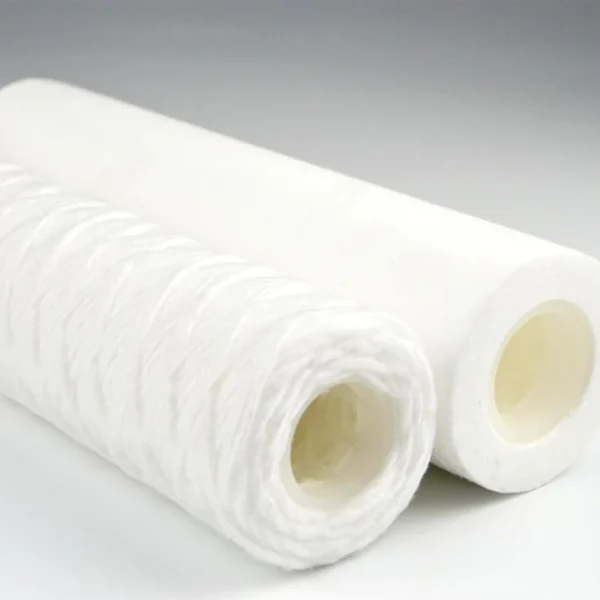
PP cotton is a melt-blown thermoplastic polymer characterized by its high chemical resistance and stable physical structure. It operates via mechanical filtration. As water passes through its dense, web-like matrix, it physically traps large particulates such as rust, sand, and scale.
Micron Rating and Pressure Drop Dynamics
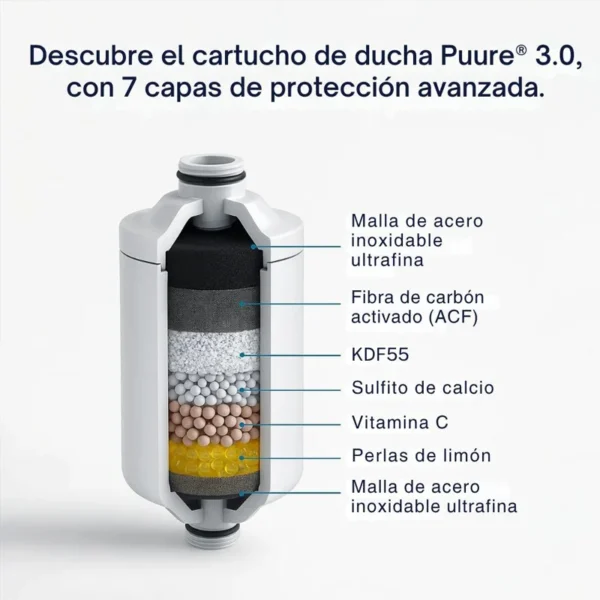
Most OEM PP cotton shower filters are engineered with a 1-to-5 micron rating. While highly effective at sediment filtration, PP cotton does not remove dissolved chemicals or gases like chlorine. Its primary function in a showerhead is acting as a pre-filter, protecting more sensitive downstream media (like carbon) from premature clogging and maintaining optimal water flow rate.
Manufacturing and Cost Advantages
From a procurement perspective, PP cotton is highly cost-effective and scalable. The
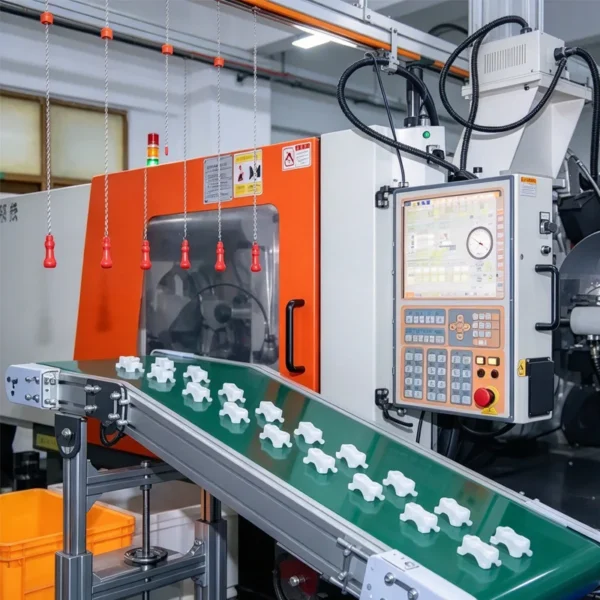
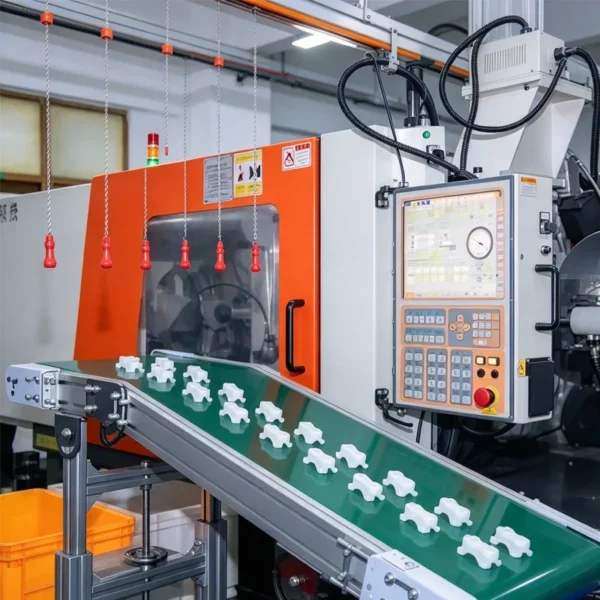
injection molding and melt-blowing processes for PP cartridges are well-established. Its physical stability also means it does not degrade or channel under high municipal water pressure.
Material Deep Dive: Activated Carbon (AC) Media
Adsorption Characteristics and Chlorine Reduction
Activated carbon is renowned for its exceptional adsorption capacity. Through physical and chemical processes, its highly porous surface traps chlorine molecules and volatile organic compounds (VOCs). According to the
U.S. Environmental Protection Agency (EPA), activated carbon is one of the most effective treatments for reducing residual chlorine in municipal drinking and bathing water.
Thermal Degradation in Hot Water Environments
The critical engineering limitation of activated carbon in shower filters is its reaction to heat. Standard granular activated carbon (GAC) is highly effective in cold water (drinking filters), but high shower temperatures (above 105°F/40°C) cause the carbon pores to expand. This thermal degradation can lead to “desorption,” where trapped chlorine and impurities are released back into the water stream.
Granular vs. Carbon Block Configurations
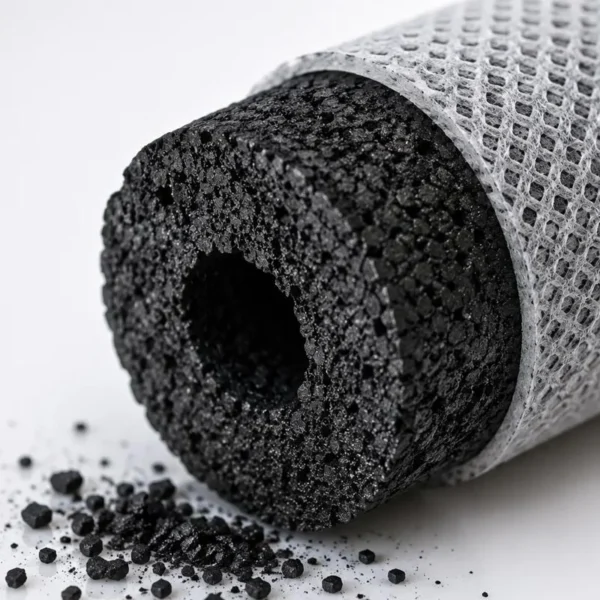
To mitigate thermal expansion, OEM brands often specify carbon block configurations rather than loose granular carbon. Carbon blocks restrict media movement and prevent “channeling” (where water carves a fast path through the media, bypassing filtration), ensuring consistent chemical reduction throughout the cartridge lifecycle.
Material Deep Dive: Mineral Balls (Tourmaline, Maifan, Calcium Sulfite)
Chemical Dechlorination via Calcium Sulfite
While often grouped together under “mineral balls,” Calcium Sulfite ($CaSO_3$) is distinct for its chemical dechlorination properties. Unlike activated carbon, which loses efficacy in hot water, Calcium Sulfite reacts instantly with chlorine in both hot and cold environments, making it the superior choice for high-temperature shower filtration.
Mineralization and pH Adjustment
Maifan and Tourmaline stones are utilized primarily for their slight pH-altering properties and the release of trace minerals. While their filtration capabilities are minimal compared to PP or Carbon, they serve a significant function in softening the “feel” of the water, a feature highly sought after in the premium hospitality and wellness sectors.
Marketing Value vs. Filtration Reality
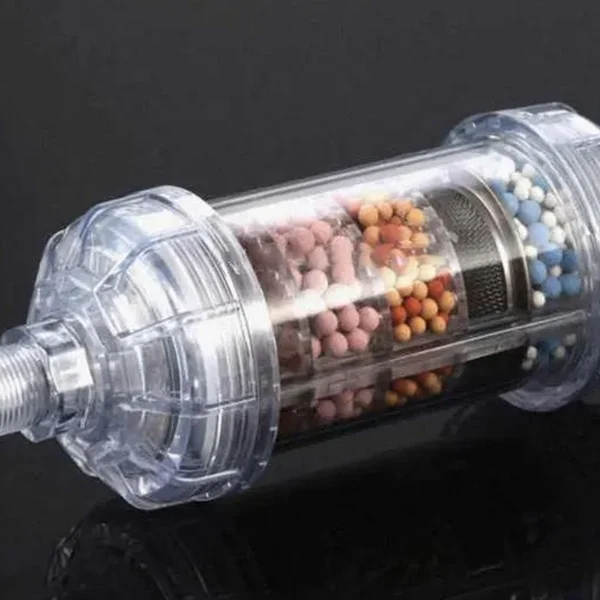
B2B procurement teams must distinguish between functional filtration and marketing appeal. Mineral balls offer excellent visual differentiation in clear filter housings and address hot-water chlorine removal (via Calcium Sulfite), but they must be paired with PP cotton to prevent sediment from coating the balls and neutralizing their chemical reactivity.
Market Observation: The Shift Toward Hybrid Filtration Systems
Data on Regional Water Quality Variations
Water hardness and chlorine levels vary drastically between regions. European markets often deal with extreme hard water (calcium/magnesium scale), while North American urban centers focus heavily on chloramine reduction. Because no single material addresses both issues perfectly, hybrid filtration systems have become the industry standard.
Balancing Flow Rates and Filtration Efficacy
The current market trend involves utilizing a multi-layered approach: a PP cotton outer layer for sediment, a Calcium Sulfite intermediate layer for hot-water chlorine reduction, and a fine mesh output layer to prevent media migration. This hybrid structure ensures comprehensive water treatment while maintaining the standard 1.8 to 2.5 GPM (gallons per minute) flow rates required by environmental regulations.
JEKARE Perspective: Real Engineering Observations from the Production Line
Multi-Stage Filter Performance Depends More on Internal Structure Than Media Selection Alone
During the development and production of filtered shower systems, JEKARE engineers have observed that selecting the right filtration media is only the first step. In actual OEM manufacturing projects, the internal cartridge structure, sealing method, and water flow path often have a greater impact on final product performance than the media specification alone.
For multi-stage shower filters combining PP cotton, activated carbon, and mineral-based media, the biggest engineering challenge is ensuring that water passes through each filtration layer evenly. If the internal structure allows water to bypass certain sections, even high-quality filtration materials may not deliver consistent performance.
Cartridge Assembly Precision Directly Influences Flow Stability
From production feedback, one of the most common engineering risks in hybrid shower filters is uneven water distribution inside the cartridge.
During assembly, factors such as:
- incorrect media compression ratio;
- insufficient sealing between cartridge components;
- inconsistent internal spacing;
- improper ultrasonic welding parameters;
can create internal bypass channels where water flows around the filtration media instead of passing through it.
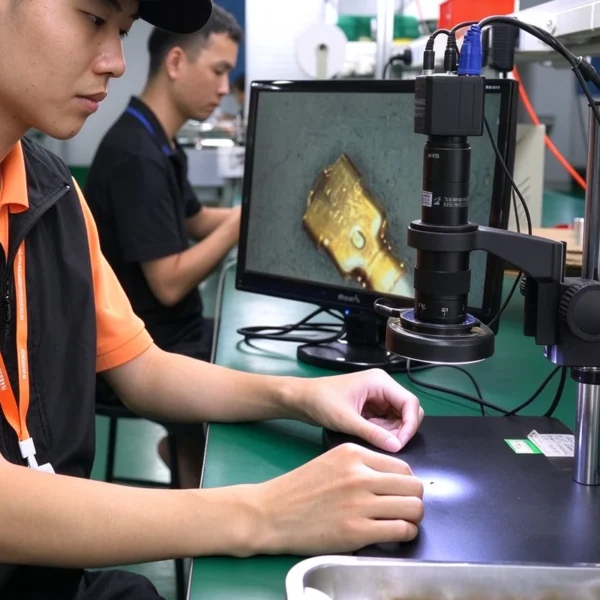
For B2B bathroom brands, this type of issue may not appear during initial product inspection but can lead to customer complaints after installation due to unstable flow performance or reduced filtration effectiveness.
Manufacturing Experience Helps Optimize Filter Design for Different Markets
JEKARE’s engineering team has found that there is no universal filtration configuration suitable for every market.
Different regions create different product requirements:
- Markets with higher sediment levels often require stronger PP cotton pre-filtration to prevent early cartridge blockage.
- Urban markets with chlorine concerns may require optimized activated carbon or calcium sulfite solutions.
- Premium wellness-oriented products may combine multiple filtration stages to create a differentiated user experience.
Therefore, OEM shower filter development requires balancing filtration performance, cartridge size, replacement cycle, water pressure, and target market expectations.
OEM Buyers Should Evaluate the Complete Product System, Not Individual Components
From a manufacturing perspective, a successful filtered shower product is not determined by a single material choice.
The complete system includes:
- filter media selection;
- cartridge structural design;
- plastic housing accuracy;
- sealing reliability;
- water flow testing;
- production consistency.
A supplier that only provides filtration materials may not fully understand the interaction between the cartridge and the final shower product.
For bathroom brands developing new filtered shower lines, working with an OEM partner that understands both filtration engineering and shower product manufacturing can reduce development risks and improve long-term product reliability.
Supporting Reliable OEM Filtered Shower Development
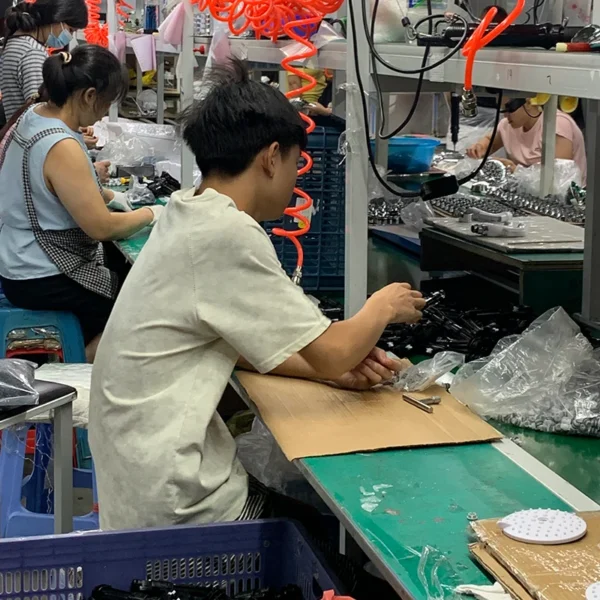
JEKARE provides OEM filtered shower solutions that combine product development support, plastic component manufacturing, assembly control, and performance verification.
From cartridge structure optimization to final shower assembly, our engineering team supports brands in developing products that meet different market requirements while maintaining stable production quality.
For more information about JEKARE’s filtered shower manufacturing capabilities, visit our OEM Filtered Shower Solutions page.
The Assembly Challenge of Multi-Layer Cartridges
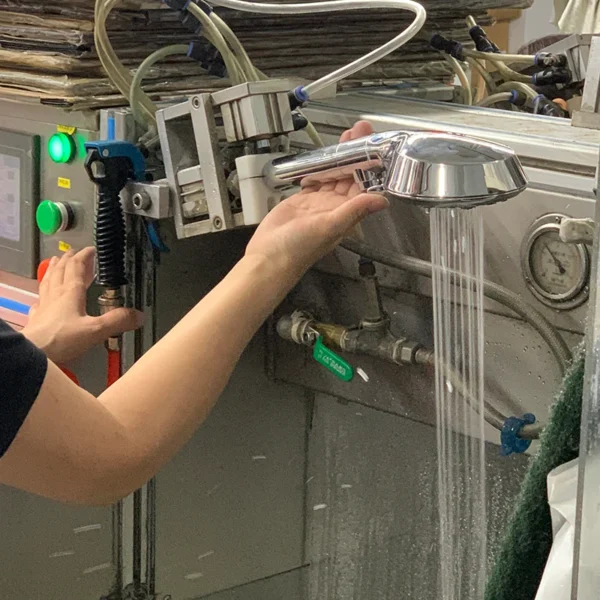
Through continuous flow rate testing, JEKARE engineers have observed that the primary cause of failure in hybrid shower filters is not media depletion, but internal cartridge bypass. If the ultrasonic welding of the filter housing is imprecise, high-pressure water bypasses the activated carbon and mineral layers entirely, seeking the path of least resistance. Precision OEM tooling is required to ensure 100% of the water volume is forced through the specified media sequence.
Sourcing Reliable OEM Shower Filter Solutions
For brands looking to launch or upgrade a filtered shower product line, engineering the correct media ratio is just the first step. Ensuring consistent flow performance, leak-proof housings, and reliable cartridge replacement dimensions is where a seasoned manufacturing partner becomes critical.
Our engineering team provides complete DFM (Design for Manufacturability) support, custom-compounding filter layers based on your target market’s specific water quality data. Whether your project requires high-density PP cotton for heavy sediment regions or specialized Calcium Sulfite configurations for luxury hot-water performance, JEKARE delivers optimized supply chain solutions. We ensure that every custom cartridge maintains strict flow rate compliance while offering aesthetic integration with the outer showerhead design, minimizing post-installation warranty risks and maximizing your recurring cartridge revenue.
Practical Decision Framework: Evaluating Filter Media for Your Market
Before finalizing product specifications, brand managers and procurement teams should evaluate their filter design using the following criteria:
Assessing Urban vs. Rural Water Conditions
-
For Urban Markets (High Chlorine): Prioritize Calcium Sulfite and Carbon blocks. The primary consumer pain point is chemical odor and skin dryness.
-
For Rural/Well Water Markets (High Sediment): Prioritize easily replaceable, high-density PP cotton pre-filters. Chemical media will clog instantly if sediment is not managed first.
Balancing Cartridge Size and Shower Head Design
-
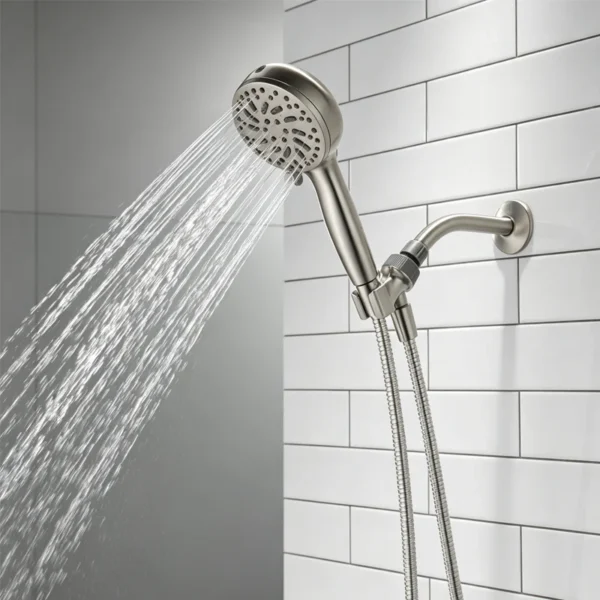
Compact Handheld Showers: Require micro-cartridges (often heavily reliant on PP cotton and small amounts of Calcium Sulfite) to fit within ergonomic handles.
-
Large Fixed Rain Showers: Can accommodate robust, multi-stage hybrid cartridges (Activated Carbon + Mineral Balls + PP), allowing for longer lifecycles and higher flow volumes.
What This Means for Your Brand’s Product Strategy
Moving Beyond Aesthetic Differentiation
As standard bathroom fixtures become commoditized, integrating advanced, verifiable filtration provides a significant competitive moat. A well-engineered hybrid filter allows a brand to transition its marketing narrative from purely aesthetic design to health, wellness, and dermatological benefits.
Building a Lifecycle Value Model
Selecting the right filter media combination allows brands to establish a predictable lifecycle value model. By engineering a filter that provides sustained flow for exactly 90 to 120 days before requiring replacement, brands secure a continuous touchpoint with the end-user, driving long-term profitability long after the initial hardware installation.
Conclusion
The structural and chemical realities of PP cotton, Activated Carbon, and Mineral Balls dictate that no single medium is perfect for every shower environment. By understanding how these materials behave under high heat and pressure, B2B brands can engineer hybrid filtration solutions that deliver verifiable water quality improvements, sustain optimal flow rates, and generate reliable replacement revenues.
FAQs
1. Why does activated carbon lose effectiveness in hot water showers?
High temperatures (above 105°F) cause the porous structure of activated carbon to expand. This thermal expansion reduces its adsorption capacity and can cause previously trapped chemicals (like chlorine) to be released back into the water stream (desorption).
2. What is the main advantage of using PP cotton in a shower filter?
PP cotton acts as a highly effective mechanical barrier. It traps large physical particulates like rust, sand, and pipe scale, preventing these elements from clogging the more sensitive chemical filtration layers (like carbon or mineral balls) and ensuring consistent water pressure.
3. How do calcium sulfite mineral balls differ from activated carbon?
Unlike carbon, which traps chlorine physically, calcium sulfite reacts chemically with chlorine to neutralize it. Most importantly, this chemical reaction remains highly effective and stable even at high shower temperatures, making it superior for hot water dechlorination.
4. Can a shower filter effectively soften hard water?
True water softening requires ion-exchange resin systems with salt regeneration, which cannot fit inside a standard showerhead. However, hybrid shower filters can reduce scale buildup and alter the water’s feel, minimizing the harsh effects of hard water on skin and hair without actually removing calcium/magnesium ions.
5. How do OEM manufacturers prevent pressure drop in multi-stage filters?
Manufacturers utilize precise structural ribbing, optimize the micron rating of the PP layers, and ensure proper compaction of granular media. Precision ultrasonic welding of the housing also prevents water from channeling or bypassing the media, maintaining consistent hydrostatic pressure.
About the Author
Sunny is a Senior Shower Systems Engineer at JEKARE with over 20 years of experience in sanitary ware product development and OEM manufacturing.
He specializes in shower system engineering, water flow optimization, filtration media integration, and compliance-driven product development.
With extensive experience working with global bathroom brands and distributors, Sunny focuses on creating reliable, cost-effective bathroom solutions through engineering innovation and strict quality control.
References
-
Grand View Research
Water Purifier Market Size, Share & Trends Analysis Report
https://www.grandviewresearch.com/industry-analysis/water-purifier-market
-
National Sanitation Foundation (NSF)
NSF/ANSI 177: Shower Filtration Systems – Aesthetic Effects
https://www.nsf.org/knowledge-library/shower-filter-nsf-ansi-177
-
U.S. Environmental Protection Agency (EPA)
Drinking Water Treatability Database: Granular Activated Carbon
https://www.epa.gov/ground-water-and-drinking-water
Request Engineering Review
Whether you need custom shower systems, filtered showerheads, or complete bathroom solutions, JEKARE provides engineering-driven OEM manufacturing support from concept development to mass production.
Contact our team to discuss your next bathroom product project.