Industry Background: The Evolution of Shower Architecture
The Architectural Shift in Commercial Bathrooms
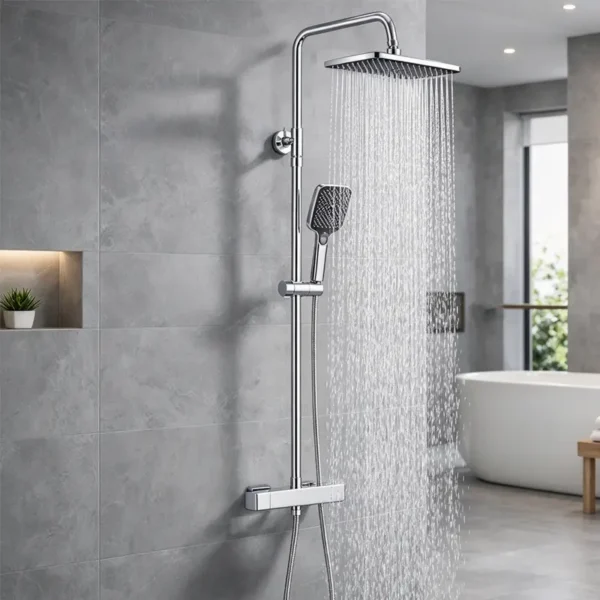
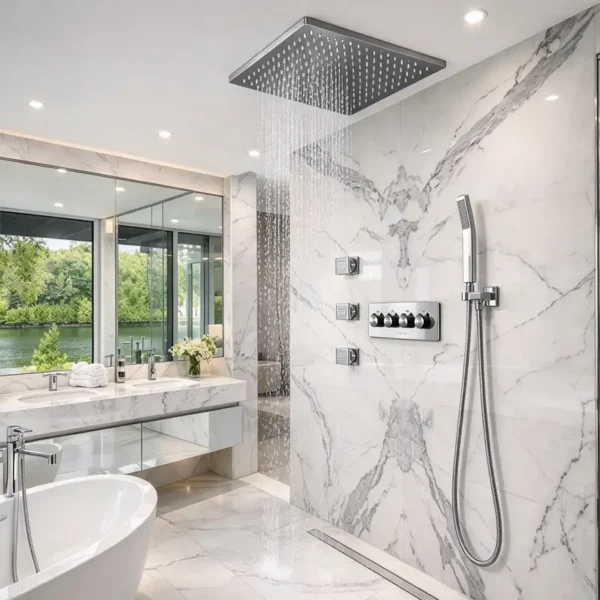
Over the past decade, minimalist bathroom design has heavily influenced commercial architecture. The desire for clean lines and uninterrupted tile surfaces pushed concealed shower systems—where the rough-in valve and pipework are hidden behind the wall—into mainstream commercial adoption. However, a parallel trend emphasizing industrial aesthetics and retrofitting efficiency has revitalized the demand for premium exposed shower columns.
Evolving Installation Standards and Wall Cavity Requirements
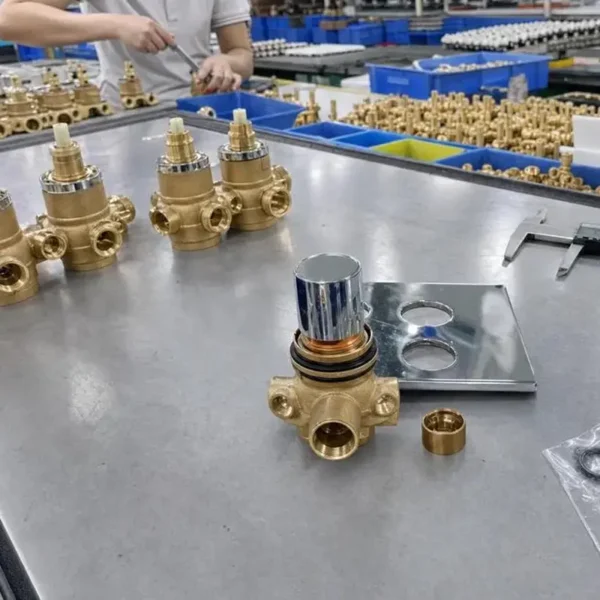
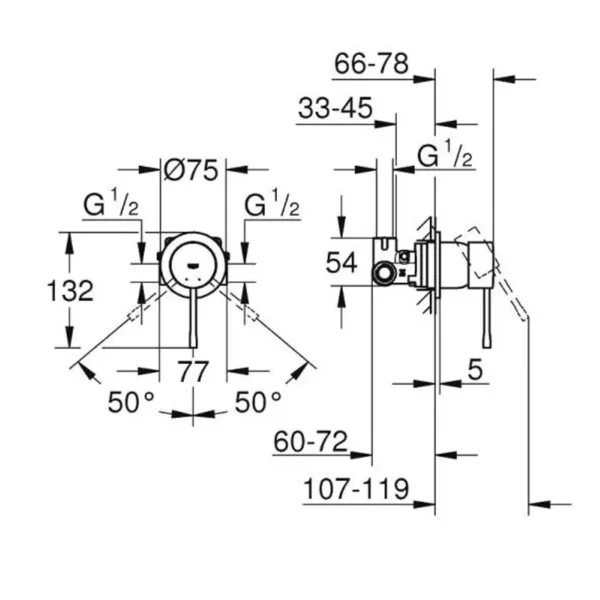
Modern commercial buildings and high-density residential projects are increasingly scrutinizing wall cavity depth. A concealed system requires significant structural depth to safely house the brass rough-in valve, diverter matrix, and supply lines. Conversely, exposed systems consolidate the thermostatic mixing valve, diverter, and water delivery pathways into an external column, mounting directly to the finished wall surface and requiring minimal internal wall modification.
Why It Matters: The Commercial Impact of System Selection
The Cost of In-Wall Component Failure
For hospitality brands and multi-family developers, the risk profile of a concealed shower system is inherently higher than an exposed unit. If a concealed rough-in valve experiences a micro-fracture or a compromised seal, the resulting water damage occurs behind the waterproof membrane. Remediating a failed concealed valve often requires breaking tile, destroying drywall, and taking the hotel room or apartment offline for days—resulting in massive labor costs and lost revenue.
Maintenance Accessibility for Hospitality Projects
Preventative maintenance is a core metric for commercial procurement. Exposed shower columns consolidate the thermostatic cartridge, check valves, and diverters into the external housing. If a cartridge needs replacing due to hard water calcification, a maintenance technician can service the exposed unit in minutes with a standard wrench, without breaching the wall structure.
Inventory and Supply Chain Implications
From an OEM brand perspective, specifying concealed systems requires managing a split inventory model: stocking the rough-in valves (which must be shipped early for the initial plumbing phase) and the decorative trim kits (which are installed months later). Exposed systems simplify supply chain logistics by offering a single-box solution that is installed entirely during the final finishing phase.
Market Observation: Real Data on Shower System Adoption
Hospitality Preference for Concealed Aesthetics vs. Exposed Practicality
According to a recent industry analysis by
Grand View Research on the global plumbing fixtures market, demand for advanced shower systems is accelerating in the commercial sector. While luxury new-build hotels lean heavily toward concealed, multi-outlet digital systems for a pristine aesthetic, the multi-billion-dollar hotel renovation sector strongly prefers exposed systems.
The Retrofit Market and Exposed Solutions
During property renovations, upgrading a basic single-outlet shower to a dual-outlet system (overhead rain shower + hand shower) usually requires tearing down walls to replumb a concealed diverter. Exposed shower columns bypass this entirely. They can be retrofitted onto existing hot/cold water supply lines, instantly upgrading the user experience without structural demolition.
Regulatory Compliance and Water Conservation
Regardless of the architectural format, flow rate compliance remains non-negotiable. Both exposed and concealed systems must meet rigorous regional standards, such as the
EPA WaterSense criteria of 2.0 GPM or the even stricter California Energy Commission (CEC) 1.8 GPM limit. Achieving these limits without causing pressure drops requires precision internal engineering, independent of whether the valve sits inside or outside the wall.
JEKARE Perspective: Engineering Reliability Behind the Wall and On the Surface
During recent OEM shower system development projects, JEKARE’s engineering team has observed a growing demand from bathroom brands, hospitality suppliers, and commercial project distributors for exposed thermostatic shower columns, especially in renovation and retrofit applications. Many purchasing teams prioritize installation flexibility and long-term maintenance efficiency because exposed systems can upgrade existing bathrooms without extensive wall demolition or complex concealed plumbing modifications.
From a manufacturing perspective, this trend highlights that shower system selection is no longer based only on appearance. Commercial buyers are increasingly evaluating installation risk, service accessibility, component reliability, and total lifecycle cost. By combining precise brass machining, reliable thermostatic control components, and complete performance testing, JEKARE helps global bathroom brands develop shower solutions that balance aesthetic requirements with practical engineering considerations.
Balancing Aesthetics with Engineering Reality
When bathroom brands evaluate exposed versus concealed formats, the underlying manufacturing tolerances become the deciding factor in product longevity. A concealed rough-in valve must be virtually indestructible. Because it lives behind the wall, any casting porosity in the brass or imprecise thread machining can lead to catastrophic failure.
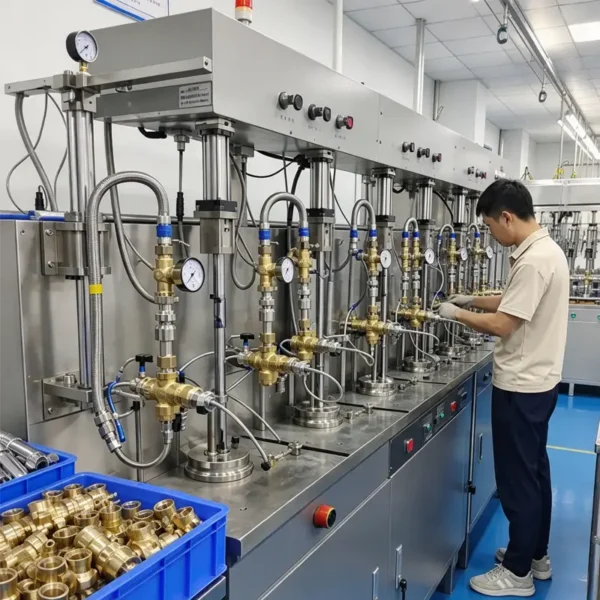
At JEKARE, we subject our concealed rough-in valve bodies to stringent 100% hydrostatic testing at pressures up to 1.6 MPa to ensure absolute zero-leakage performance before they are approved for shipment.
Sourcing Reliable OEM Shower System Solutions
For B2B brands and project buyers deciding between these two architectural formats, partnering with an OEM capable of engineering both systems with equal rigor is critical.
Our engineering advantage for B2B buyers includes:
-
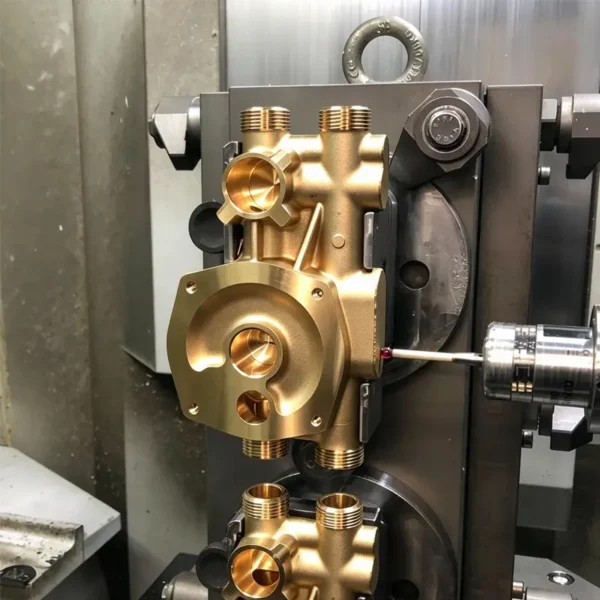
For Concealed Systems: We utilize forged DZR (Dezincification-Resistant) brass for our in-wall rough-in valves, coupled with high-precision
CNC machining to guarantee exact ceramic cartridge seating. This virtually eliminates the risk of behind-the-wall leaks.
-
For Exposed Systems: We design modular, “cool-touch” thermostatic columns that isolate hot water channels from the external brass housing, preventing scalding risks in commercial and healthcare environments.
-
Testing Compliance: All systems are engineered to pass the rigorous endurance and pressure testing parameters outlined by
ASME A112.18.1/CSA B125.1, ensuring seamless integration into strictly regulated North American and European markets.
Whether your next catalog requires the sleek, flush-mounted appeal of a concealed matrix or the retrofit-friendly efficiency of an exposed column, our OEM manufacturing infrastructure scales to meet your exact structural requirements.
Practical Decision Framework: Which System Fits Your Project?
For product managers and commercial procurement teams, the decision matrix should rely on three objective criteria:
1. Evaluating Wall Depth and Structural Integrity
If the architectural plans feature thin partition walls, shallow drywall cavities, or solid concrete substrates, trenching out space for a bulky concealed rough-in valve is highly cost-prohibitive. In these scenarios, an exposed shower column is the only mathematically viable solution.
2. Factoring in Long-Term Maintenance Budgets
For high-turnover properties like hotels, gymnasiums, and student housing, facility managers heavily favor exposed systems. The ability to access the thermostatic mixing cartridge, replace a diverter, or clear a check valve without calling a specialized tile contractor drastically reduces the Total Cost of Ownership (TCO) over a ten-year lifecycle.
3. Analyzing Construction Timelines (New Build vs. Renovation)
-
New Construction: Concealed systems are highly efficient when installed during the open-stud framing phase.
-
Renovations: Exposed systems are the superior choice, allowing contractors to utilize existing 150mm center-to-center supply lines to instantly upgrade the bathroom without wet-trade intervention.
What This Means for Your Brand
Positioning Products for the Right Buyer Segment
Understanding the mechanical and logistical differences between exposed and concealed systems allows bathroom brands to strategically segment their product portfolios. A brand can target high-end custom residential builders with complex, concealed digital shower matrices, while simultaneously capturing the lucrative hospitality renovation market by offering modular, easy-to-install exposed columns.
Reducing After-Sales Support Overhead
By aligning the right architectural system with the specific realities of the buyer’s project, brands significantly reduce post-installation friction. Specifying a rigorously
quality-controlled concealed system prevents warranty disasters, while offering exposed solutions solves immediate installation headaches for commercial contractors, thereby elevating the brand’s reputation as a solutions-oriented partner.
Conclusion
The debate between exposed and concealed shower column systems is not a question of which is inherently superior, but rather which mechanical architecture perfectly aligns with the project’s structural constraints and maintenance goals. Concealed systems offer unmatched minimalist aesthetics for new developments, provided the rough-in engineering is flawless. Exposed systems provide unparalleled retrofitting efficiency and maintenance access, making them the preferred choice for commercial renovations. By understanding these engineering realities, B2B procurement teams can make sourcing decisions that protect project budgets and ensure long-term mechanical reliability.
FAQs
1. Do concealed shower systems require thicker walls than standard plumbing?
Yes. Concealed rough-in valves, especially thermostatic models with multiple diverters, typically require a minimum wall cavity depth of 70mm to 100mm. If the wall is too shallow, the valve body cannot be safely enclosed behind the finished tile.
2. Is an exposed shower column easier to maintain than a concealed system?
Significantly easier. In an exposed system, all critical components—including the thermostatic cartridge, diverter valve, and flow restrictors—are housed in the external metal column. A technician can disassemble and service the unit directly from the shower enclosure without breaking any tile.
3. Can an exposed shower system be installed on existing plumbing?
Yes. This is their primary advantage in the renovation market. Most exposed shower columns are designed to connect to standard hot and cold water outlets (typically spaced at 150mm centers), allowing for rapid retrofitting over existing tile.
4. Are concealed rough-in valves universal across different brands?
No. A concealed rough-in valve is proprietary to the manufacturer’s specific trim kit. Once a specific brand’s rough-in valve is installed behind the wall, the property is locked into using that brand’s external handles and escutcheons for future updates unless the wall is demolished.
5. How do OEM manufacturers prevent leaks in concealed shower valves?
Premium OEM manufacturers prevent leaks by using high-grade forged brass (which eliminates the porosity found in cheap sand casting), precision CNC machining for exact O-ring compression, and subjecting 100% of the valves to high-pressure hydrostatic testing before shipment.
About the Author
Sunny is a Senior Shower Systems Engineer at JEKARE with over 20 years of experience in sanitary ware product development and OEM manufacturing.
He specializes in shower system engineering, fluid dynamics optimization, rough-in valve structural design, and compliance-driven product development.
With extensive experience working with global bathroom brands and hospitality distributors, Sunny focuses on creating reliable, cost-effective bathroom solutions through rigorous engineering innovation and strict quality control protocols.
References
-
Grand View Research
Plumbing Fixtures Market Size, Share & Trends Analysis Report
https://www.grandviewresearch.com/industry-analysis/plumbing-fixtures-market
-
ASME (American Society of Mechanical Engineers)
ASME A112.18.1/CSA B125.1: Plumbing Supply Fittings
https://www.asme.org/codes-standards/find-codes-standards/a112-18-1-csa-b125-1-plumbing-supply-fittings
-
U.S. Environmental Protection Agency (EPA)
WaterSense Specification for Showerheads
https://www.epa.gov/watersense/showerheads
Request Engineering Review
Whether you need custom shower systems, highly engineered concealed valves, or complete bathroom solutions, JEKARE provides engineering-driven OEM manufacturing support from concept development to mass production.Contact our team to discuss your next bathroom product project.