Industry Background: The Evolution of Kitchen Plumbing Standards
The global sanitary ware procurement market is undergoing a structural shift regarding raw material safety and longevity. According to a 2024 plumbing fixtures market analysis by
Grand View Research, the demand for lead-free, corrosion-resistant fixtures is accelerating, heavily influencing commercial and residential kitchen hardware specifications. This transition forces B2B brand owners, product managers, and procurement teams to thoroughly evaluate how Stainless Steel Faucet Manufacturing differs mechanically and financially from traditional brass production.
The Shift Toward Lead-Free Sanitary Ware
Regulatory frameworks are fundamentally changing material baseline requirements. As global infrastructure modernizes, the tolerance for heavy metal leaching in drinking water systems is nearing zero, pushing global brands to secure reliable supply chains for stainless steel alternatives.
Evolving Consumer Expectations in Kitchen Hardware
Beyond compliance, the end-user market—particularly in premium residential and hospitality sectors—increasingly dictates strict aesthetic and durability standards. Kitchen faucets are expected to endure decades of thermal shock, chemical exposure, and high-frequency use without surface degradation or internal valve failure.
Why Stainless Steel Material Selection Matters
Transitioning to stainless steel is not merely a material substitution; it impacts the entire product lifecycle, from initial tooling investments to long-term warranty liabilities.
Regulatory Compliance and Toxicity Elimination
Standard brass alloys, even low-lead variants, require meticulous metallurgical control to meet stringent drinking water standards. Stainless steel inherently eliminates lead leaching risks, providing a clear compliance pathway for brands distributing across highly regulated North American and European markets.
Lifecycle Cost and Environmental Impact
While the raw material and machining costs for stainless steel are higher than zinc or brass, the overall lifecycle cost is often lower. Stainless steel components are 100% recyclable, highly resistant to aggressive water conditions, and eliminate the need for toxic electroplating processes, aligning with corporate sustainability mandates.
The Stainless Steel Faucet Manufacturing Process
Understanding the physical production of 304 Stainless Steel Fixtures is critical for procurement teams evaluating potential factory partners. The density and hardness of steel require entirely different tooling and processing capabilities compared to softer alloys.
Grade Selection: 304 vs. 316 Stainless Steel
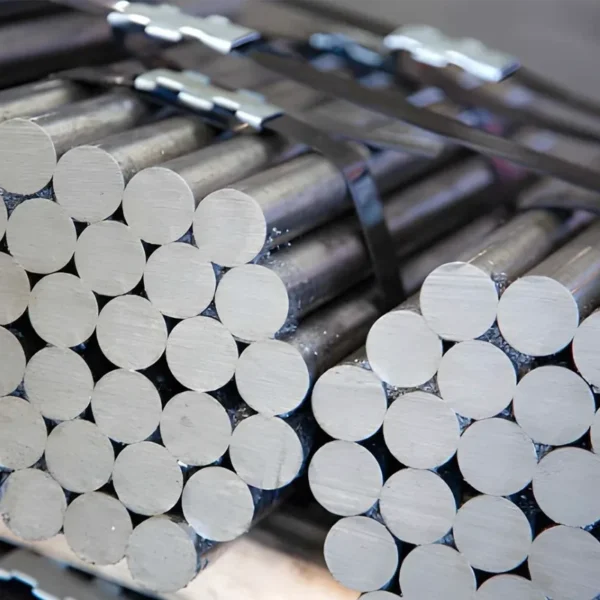
The foundation of Lead-Free Faucet Production begins with material grading. Grade 304 is the industry standard, offering excellent tensile strength and oxidation resistance. For coastal environments or specialized commercial kitchens facing high chloride exposure, Grade 316—which includes molybdenum—is specified for superior pitting resistance.
Investment Casting for Complex Faucet Bodies
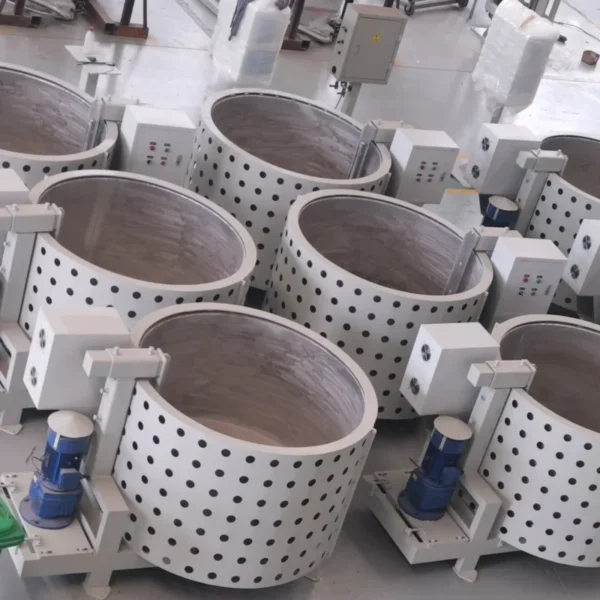
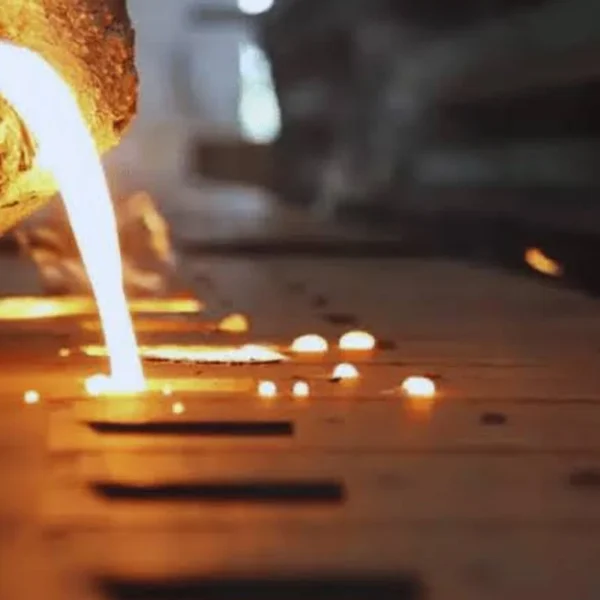
Unlike brass, which flows easily in gravity die casting, stainless steel requires precision investment casting (lost-wax casting). Wax patterns of the faucet body are created, coated in a ceramic slurry, and heated until the wax melts away. Molten stainless steel is then poured into the ceramic shell at temperatures exceeding 1,500°C (2,700°F). This process ensures dimensional accuracy and prevents internal porosity.
CNC Machining for Internal Valve Precision
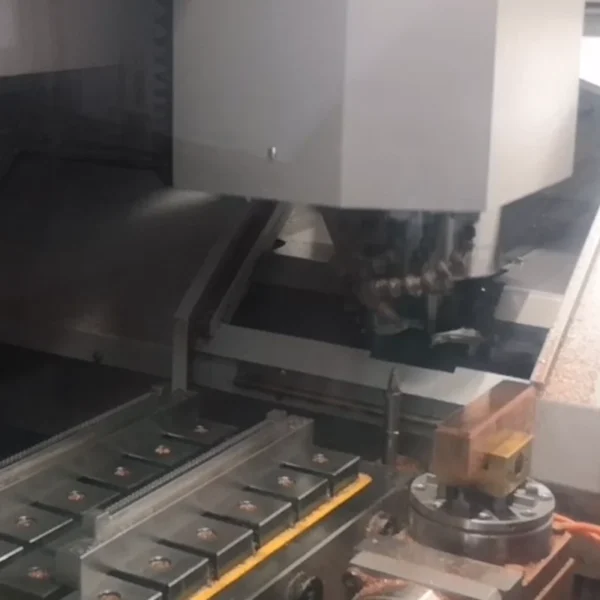
Because stainless steel shrinks during cooling and possesses exceptional hardness, standard machining is insufficient. Modern
CNC machining centers utilize specialized carbide tooling and customized feed rates to mill the internal waterways, valve seats, and threading. Achieving micron-level tolerances here is non-negotiable to prevent leakage around the ceramic cartridge.
Laser Welding for Spout and Body Assembly
For pull-down or high-arc kitchen faucets, the spout is often manufactured from steel tubing and joined to the cast main body. Automated laser welding ensures a seamless, structurally sound joint that withstands continuous mechanical stress without introducing weak points or oxidation at the seam.
Surface Finishing: Physical Vapor Deposition (PVD) and Brushing
While raw stainless steel can be mechanically brushed for a classic matte finish, contemporary designs often require advanced
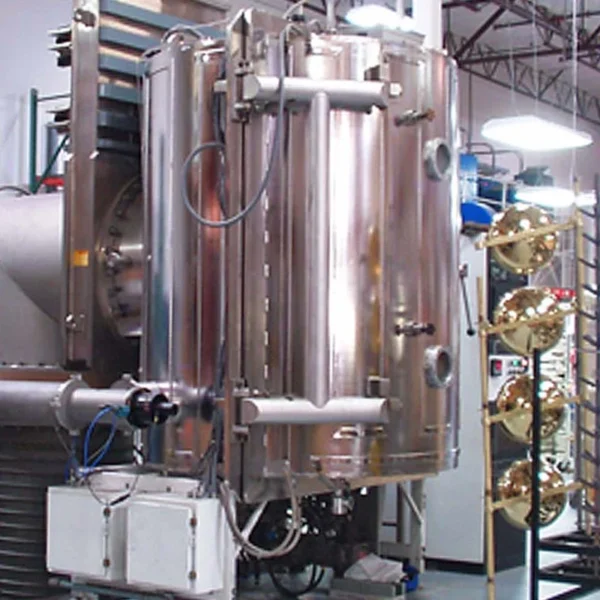
surface finishing. Physical Vapor Deposition (PVD) creates a molecular bond with the steel substrate, offering highly durable, scratch-resistant finishes in matte black, brushed gold, or gunmetal without altering the material’s structural integrity.
Hydrostatic and Pneumatic Quality Control Testing
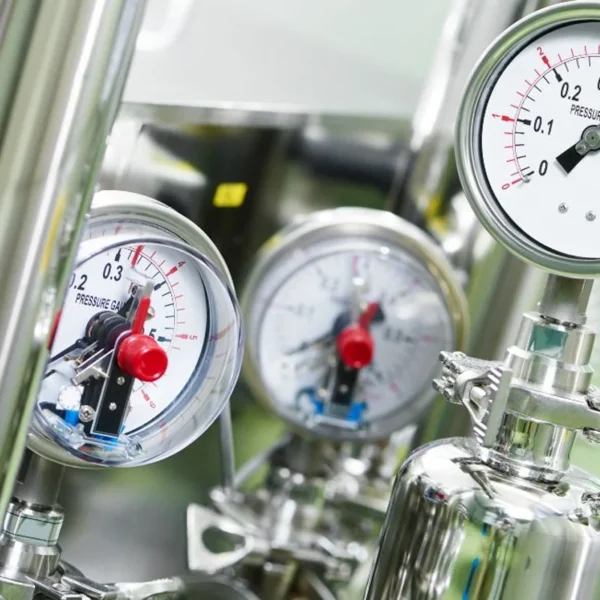
Following assembly, every unit must undergo rigorous Hydrostatic Testing. High-pressure water and compressed air are forced through the internal channels to verify that the CNC-machined valve seats and laser-welded joints are completely sealed under simulated municipal water pressures.
Market Observation: The Impact of New Drinking Water Standards
The transition to stainless steel is primarily driven by concrete regulatory changes rather than purely aesthetic trends.
Global Regulatory Tightening
The
U.S. Environmental Protection Agency (EPA) recently finalized rule revisions under the Safe Drinking Water Act, enforcing strict calculation methodologies for lead-free compliance in plumbing fittings. Concurrently, standards from
ASTM International dictate the precise metallurgical composition required for stainless steel used in sanitary applications. These converging regulations are forcing major distributors to audit their supply chains and phase out non-compliant alloy suppliers.
JEKARE Perspective: Engineering Insights from the Production Floor
Our engineering and production teams work closely with OEM buyers transitioning their kitchen portfolios from brass to stainless steel. A consistent challenge we observe is the underestimation of tooling wear and machining complexity.
Addressing Tool Wear in Stainless Steel Machining
During a recent production scale-up for a European distributor’s commercial kitchen line, our CNC operators recorded a 30% faster degradation rate on standard milling cutters compared to brass processing. Stainless steel’s tendency to work-harden during machining causes rapid tool wear. To resolve this, our
sanitary ware design and development team implemented optimized tool paths and transitioned to advanced coated-carbide inserts. Procurement teams must ensure their manufacturing partner understands these precise machining dynamics, as poor tooling management inevitably leads to dimensionally inaccurate internal waterways and delayed production schedules.
Engineering Application: Scalable OEM Kitchen Faucet Solutions
For procurement teams seeking a reliable manufacturing partner with specialized expertise in hard-metal machining, JEKARE offers comprehensive OEM and ODM solutions tailored to global brands.
JEKARE Manufacturing Capabilities in Action
A prime example of our production excellence is demonstrated in our precision-engineered
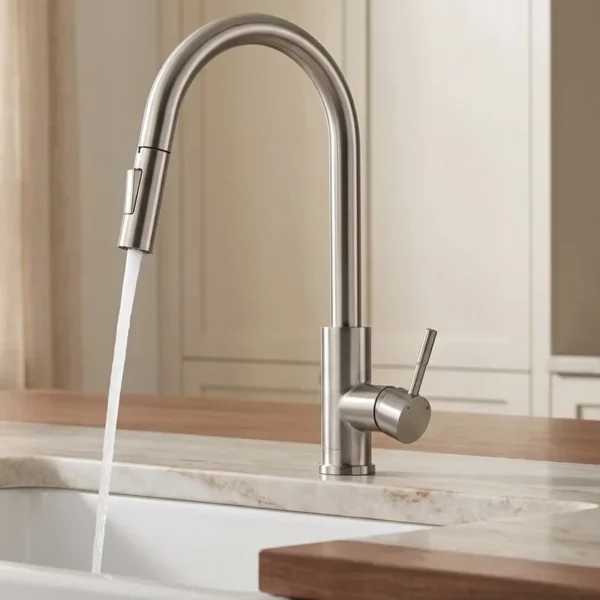
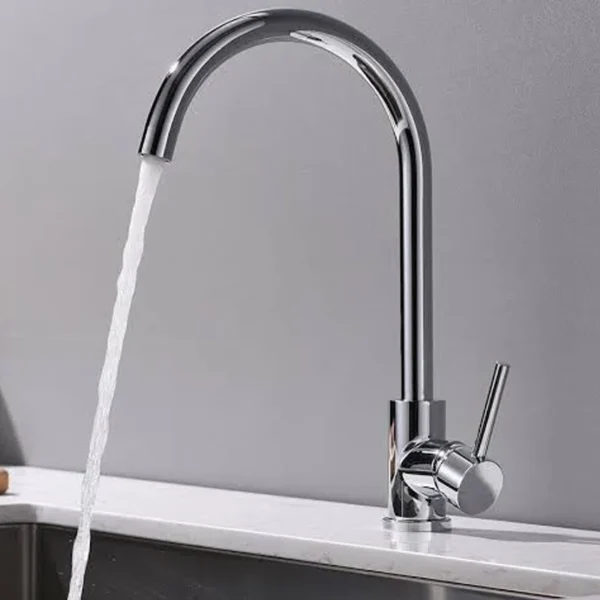
OEM Stainless Steel Kitchen Faucets. Engineered for high-frequency residential and commercial use, these fixtures combine investment-cast 304/316 bodies with advanced PVD Surface Finishing, ensuring exceptional corrosion resistance and mechanical reliability.
Key Advantages for Procurement Managers:
-
Precision CNC Faucet Machining: In-house multi-axis milling ensures perfect ceramic cartridge seating and eliminates internal leakage risks.
-
Material Traceability: Spectrochemical analysis is conducted on every raw material batch to guarantee 100% compliance with EPA and European drinking water standards.
-
Scalable Customization: Full support for custom spout geometries, ergonomic handle designs, and proprietary PVD color matching for distinct brand identities.
Practical Decision Framework for B2B Procurement Teams
Before finalizing a manufacturing contract for a Kitchen Faucet Supplier, procurement managers should run a systematic audit against the following criteria.
Evaluating Factory Infrastructure and Tooling Control
-
✓ Does the supplier possess dedicated CNC centers specifically calibrated for stainless steel, or do they process brass and steel on the same unoptimized machines?
-
✓ Can the engineering team provide detailed investment casting shrinkage calculations during the initial DFM (Design for Manufacturing) phase?
Auditing Quality Control and Testing Protocols
-
✓ Are internal waterways subjected to automated ultrasonic cleaning to remove abrasive steel shavings prior to cartridge assembly?
-
✓ Does the facility conduct 100% hydrostatic and pneumatic pressure testing on finished fixtures before packaging?
What This Means for Your Brand
Implementing a rigorous manufacturing evaluation framework transforms your supply chain from an operational risk into a core competitive advantage.
Protecting Brand Reputation through Structural Reliability
By sourcing engineered OEM Kitchen Faucets from factories that master hard-metal machining, brands eliminate costly field failures, valve leaks, and corrosion claims. This safeguards long-term customer trust and significantly reduces after-sales service overhead.
Accelerating Time-to-Market for Inclusive Collections
Working with a partner that possesses mature in-house investment casting and CNC capabilities drastically reduces product development cycles, allowing your brand to respond rapidly to changing regulatory landscapes and interior design trends.
Conclusion
Stainless steel kitchen faucet manufacturing is a highly complex discipline requiring specialized investment casting, precise hard-metal CNC machining, and rigorous leak testing. By partnering with an engineering-driven OEM manufacturer that prioritizes supply chain transparency and metallurgical control, global bathroom brands can secure superior product reliability, regulatory compliance, and long-term market competitiveness.
FAQ
-
What is the primary difference between 304 and 316 stainless steel in faucet manufacturing?
Grade 304 is the standard alloy offering excellent durability and corrosion resistance for most applications. Grade 316 contains molybdenum, which provides superior resistance to pitting and chloride-induced corrosion, making it ideal for coastal areas or harsh commercial environments.
-
Why is investment casting used for stainless steel faucets instead of gravity die casting?
Stainless steel has a much higher melting point and lower fluidity than brass. Investment casting (lost-wax casting) allows the molten steel to form complex internal waterway geometries without the internal porosity that would occur using standard die casting methods.
-
How does CNC machining stainless steel differ from machining brass?
Stainless steel is significantly harder and tends to work-harden during milling. This requires slower feed rates, specialized coated-carbide tooling, and highly rigid CNC machines to achieve the tight tolerances required for leak-proof valve seats.
-
Are stainless steel faucets automatically lead-free?
Yes, inherently. Standard 304 and 316 stainless steel alloys do not contain lead, making them naturally compliant with strict global drinking water regulations such as the EPA’s Safe Drinking Water Act, without requiring additional chemical washing.
-
What is PVD finishing, and why is it used on stainless steel?
Physical Vapor Deposition (PVD) is a vacuum coating process that vaporizes solid metal and bonds it to the faucet surface at the molecular level. It provides highly durable, scratch-resistant finishes (like brushed gold or matte black) that will not peel or tarnish like traditional paints or electroplating.
About the Author
Sunny is a Senior Sanitary Ware Engineer at JEKARE with over 20 years of experience in product development and OEM manufacturing for global brands and distributors. He specializes in stainless steel metallurgy, fluid dynamics optimization, structural improvement, and compliance-driven product development. Focusing on eliminating production risks early in the DFM stage, Sunny helps international bathroom brands create reliable, cost-effective, and highly scalable fixture solutions through rigorous engineering and strict quality control.
References
-
Grand View Research
https://www.grandviewresearch.com/industry-analysis/plumbing-fixtures-market
-
U.S. Environmental Protection Agency (EPA)
https://www.epa.gov/sdwa/use-lead-free-pipes-fittings-fixtures-solder-and-flux-drinking-water
-
ASTM International
https://www.astm.org/standards/stainless-steel-standards.html
Request Engineering Review
Upload Your CAD Files
Request DFM Analysis
Start Your OEM Project
Request Material Recommendation