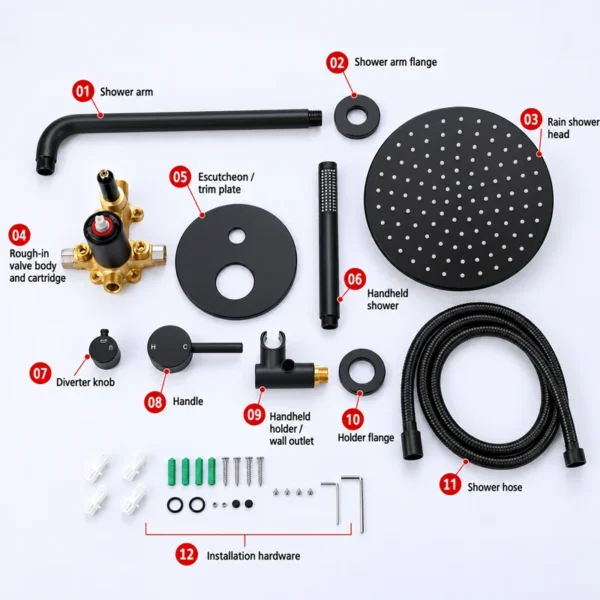
The Rise of Modular Bathroom Systems in Commercial Real Estate
The global sanitary hardware sector is experiencing a structural shift toward modularity. Driven by high-end hospitality expansions and multi-family residential developments, procurement teams are abandoning rigid, single-SKU shower systems in favor of interchangeable components. According to recent reports by
Grand View Research, the commercial plumbing fixtures market is expanding as developers seek modular hand showers, sliding bars, and brackets that allow for rapid maintenance without replacing entire behind-the-wall valves.
The Illusion of Universal Compatibility
In this push for modularity, a common assumption among private-label distributors and OEM buyers is that secondary components—specifically shower head holders (brackets)—are universally standardized. While international plumbing codes regulate internal waterway threads, the external physical dimensions holding the hand shower wand remain highly variable across different global manufacturers, creating hidden friction in the supply chain.
Why Bracket Compatibility Matters for B2B Procurement
The Cost of Dimensional Mismatches in Hospitality Projects
For project buyers and brand owners, the true cost of a mismatched shower bracket extends far beyond the FOB unit price. When a hand shower wand does not seat perfectly into a bracket’s taper, the wand can rattle under high hydrostatic pressure, rotate unexpectedly, or slip entirely. In a 500-room hotel project, replacing dropped and damaged showerheads due to poorly toleranced brackets results in significant labor costs and brand erosion.
Mitigating Aftermarket Warranty Claims through Engineering
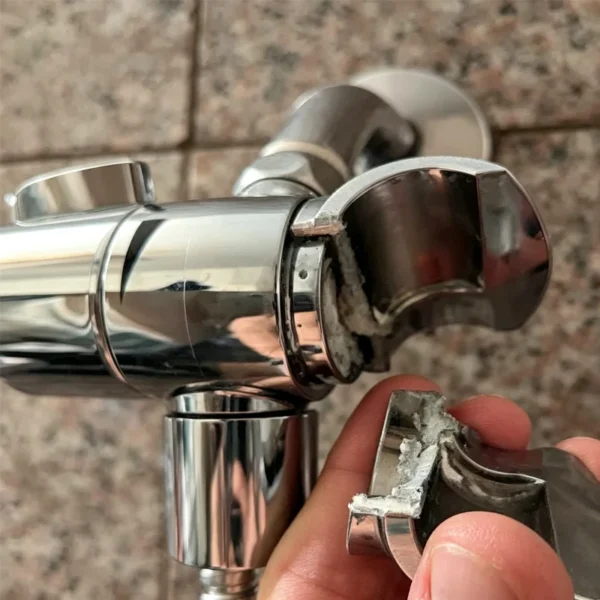
If a bracket’s taper angle is too narrow, the conical nut of the shower hose will sit too high, creating a top-heavy leverage point that stresses the pivot joint friction mechanism. Over time, this leads to the “drooping showerhead” syndrome—one of the most common aftermarket warranty claims. Evaluating an OEM partner’s dimensional tolerances and material structural integrity is essential to protecting long-term operating margins.
Market Observation: The Myth of the “Universal” Bracket Size
The Standard 1/2-Inch Connection vs. Bracket Taper Variability
It is a widespread industry misconception that all shower head holders are identical. While the global standard for shower hose connections relies almost exclusively on the 1/2-inch IPS thread (or standard G 1/2 thread), this standard applies only to the water connection. The external geometry of the hose’s conical nut—which slots into the bracket—is not strictly governed by global plumbing codes like ASME A112.18.1.
Divergence in Regional Market Standards
European manufacturers often utilize a steeper taper angle on their conical hose nuts compared to North American or Asian manufacturers. Consequently, a bracket engineered for the European market may not securely hold a hand shower designed for the US market, even though the internal water threads match perfectly.
Material Impact on Dimensional Stability (ABS vs. Brass)
Material selection severely impacts dimensional stability over time. Brackets molded from standard plastics can warp under continuous exposure to high-temperature water (thermal expansion). In contrast, brackets forged from DZR brass or high-grade engineering ABS maintain their geometric integrity, ensuring the taper angle remains exact after years of thermal cycling.
JEKARE Perspective: Solving the Leverage Failure Point
Over the past two years, our engineering team analyzed technical feedback from global B2B procurement partners regarding wall-mounted hand shower systems. A consistent challenge reported by project buyers was the high field-failure risk of pivot brackets supporting oversized, multi-function hand showers.
During product evaluations, our engineers found that many bracket failures were not caused by the shower holder material alone, but by a combination of dimensional mismatch, insufficient pivot load design, and improper compatibility between the bracket taper and the shower hose conical nut.
In several OEM development projects, buyers approached JEKARE after experiencing issues such as loose hand shower positioning, bracket sagging, and premature cracking of plastic mounting components. The root cause was often traced back to suppliers applying a generic bracket geometry across multiple shower collections without validating the actual hose nut dimensions, shower weight distribution, or expected usage environment.
Through our DFM (Design for Manufacturability) review process, JEKARE engineers evaluate critical interface dimensions before tooling begins, including:
- conical nut taper angle compatibility;
- bracket internal holding geometry;
- pivot joint friction performance;
- static load requirements for oversized hand showers;
- material selection based on application conditions.
For projects requiring higher structural reliability, we optimize bracket designs by improving internal taper accuracy, reinforcing pivot support structures, and selecting appropriate materials such as engineering ABS for cost-efficient residential applications or DZR brass for heavy-duty commercial and hospitality environments.
This engineering approach helps brands reduce common field issues such as shower wand instability, bracket loosening, and premature component replacement — while creating more reliable modular shower systems that can support different hand shower platforms across multiple product collections.
Practical Decision Framework for OEM Shower Bracket Procurement
Before finalizing an
OEM/ODM manufacturing contract for shower system components, procurement teams should execute this technical verification checklist to ensure bracket compatibility:
1. Verifying Taper Angles and Load-Bearing Capacity
-
Angle Matching: Request 3D CAD files of the bracket to ensure its internal taper angle perfectly mirrors the external angle of your designated shower hose conical nut.
-
Static Load Test: Verify that the pivot joint can sustain the static weight of your heaviest hand shower (while filled with water) at a 45-degree angle without slipping.
2. Validating Pivot Mechanism Engineering
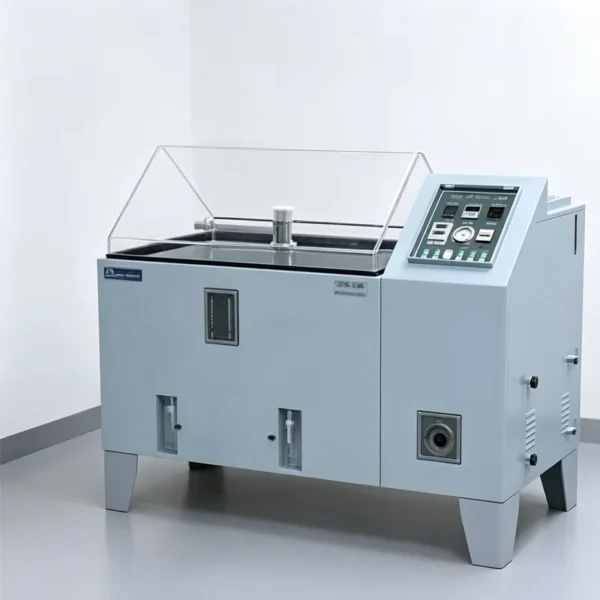
3. Surface Finish Consistency and Testing
What This Means for Your Brand
Building a Modular Shower Component Ecosystem
By establishing strict internal dimensional standards for conical nut angles and bracket tapers, bathroom brands can build a truly modular ecosystem. This engineering foresight allows product managers to confidently mix and match wands, hoses, and brackets across different collections—from entry-level residential to luxury hospitality tiers—without fear of mechanical incompatibility.
Reducing Inventory Complexity Across SKUs
Standardizing the interface between the hose and the bracket reduces supply chain complexity. Partnering with a manufacturer capable of executing precision tolerances ensures that you only need to inventory one or two base bracket platforms to support dozens of different hand shower designs, significantly lowering overhead and time-to-market.
Engineered OEM Shower Solutions: The JEKARE Advantage
For global distributors and brand owners seeking to eliminate component mismatch and elevate their shower system portfolios, direct collaboration with an engineering-driven manufacturing platform is critical.
A prime example of this structural reliability is the
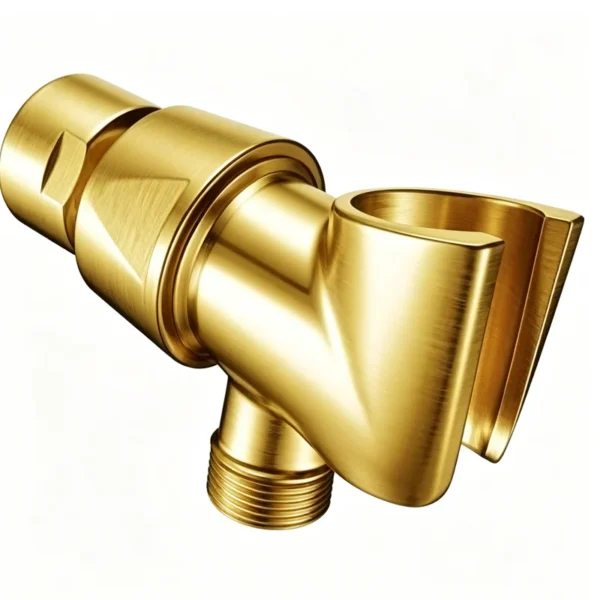
JEKARE Heavy-Duty Adjustable Brass Hand Shower Holder. Built specifically for high-use hotel and commercial residential developments, this fixture demonstrates the technical requirements necessary for modern procurement:
-
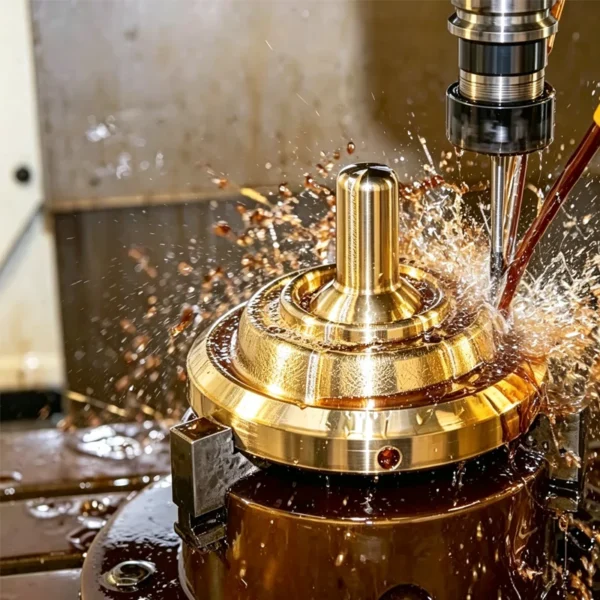
Universal Taper Calibration: Engineered with a precision-machined internal cone that accommodates over 95% of standard G 1/2 conical hose nuts, eliminating “wand rattle” and ensuring a snug, vertical fit.
-
Lead-Free DZR Brass Construction: Cast from high-density brass alloy, providing exceptional load-bearing capacity that effortlessly supports heavy, oversized multi-function hand showers without structural fatigue.
-
Advanced Pivot Friction Technology: Utilizes high-grade polymer friction rings rather than basic mechanical screws, ensuring smooth angle adjustments that hold their position perfectly, tested to exceed 10,000 actuation cycles.
-
Verified Surface Longevity: Electroplated and PVD finishes that strictly adhere to international standards, successfully passing 24-hour CASS testing for extreme corrosion and oxidation resistance.
To explore our full engineering scope and facility capabilities, review our manufacturing workflows at
JEKARE Our Facilities.
Conclusion
The assumption that all shower head holders are the same size introduces unnecessary risk into supply chains and project developments. While water connection threads are standardized, the critical interface between the hose nut and the bracket taper is not. By moving away from off-the-shelf catalog sourcing and adopting strict dimensional tolerances, high-performance materials, and precision OEM shower holder engineering, bathroom brands can eliminate warranty liabilities and deliver a superior, modular product ecosystem to their commercial clients.
FAQs
-
Are all shower hoses compatible with all shower head holders?
No. While almost all shower hoses use a standard 1/2-inch IPS water connection, the outer diameter and taper angle of the conical nut (the part that sits in the holder) vary by manufacturer. A mismatch causes the hand shower to sit loosely or fall out.
-
What is the standard taper angle for a hand shower bracket?
While there is no strict global regulatory standard, most premium European and North American systems operate within an 18-degree to 22-degree internal taper. OEM buyers should explicitly match this to their hose specifications.
-
How do OEM manufacturers test the reliability of a shower bracket’s pivot joint?
Engineering teams perform lifecycle testing using automated pneumatic arms. The bracket is subjected to continuous up-and-down pivoting under a weighted load to ensure the internal friction mechanism does not loosen over 10,000+ cycles.
-
Is engineering ABS or DZR brass better for commercial shower brackets?
DZR brass offers superior longevity, weight-bearing capacity, and a premium feel, making it ideal for luxury hospitality. High-grade engineering ABS provides a cost-effective, lightweight alternative for residential mass markets, provided the mold tolerances are strictly controlled to prevent thermal warping.
-
How can a brand ensure their custom hand shower fits a standardized bracket?
During the product development phase, brands should share 3D CAD files of their existing hose nuts with their OEM manufacturing partner. The manufacturer can conduct a digital interference check and modify the bracket’s internal dimensions before cutting the steel molds.
About the Author
Sunny is a Senior Shower Systems Engineer at JEKARE with over 20 years of experience in sanitary ware product development and OEM manufacturing.
He specializes in shower system engineering, water flow optimization, component dimensional standardization, structural improvement, and compliance-driven product development.With extensive experience working with global bathroom brands and distributors, Sunny focuses on creating reliable, cost-effective bathroom solutions through engineering innovation and strict quality control protocols.
References
-
Grand View Research — Commercial Plumbing Fixtures Market Analysis
https://www.grandviewresearch.com
-
ASME A112.18.1/CSA B125.1 — Plumbing Supply Fittings Standards
https://www.asme.org
-
U.S. Environmental Protection Agency (EPA) — WaterSense Specification for Showerheads
https://www.epa.gov/watersense
Request Engineering Review
Whether you need custom shower systems, faucets, toilet seats, or complete bathroom solutions, JEKARE provides engineering-driven OEM manufacturing support from concept development to mass production.Contact our team to discuss your next bathroom product project.