Industry Background: The Shift Toward Multi-Functional Shower Experiences
The residential and hospitality sanitary ware markets are undergoing a structural transition regarding shower system configurations. Single-function fixed shower heads are rapidly being replaced by dual systems that integrate a fixed overhead unit with a handheld spray wand. According to a 2024 plumbing fixtures market analysis by
Grand View Research, the demand for multi-functional, spa-like shower experiences in both residential renovations and commercial hotel builds is accelerating. This shift forces B2B brand owners, product managers, and procurement teams to evaluate the technical feasibility and manufacturing complexities of Handheld Shower Integration into existing product lines.
Hospitality Sector Influence on Residential Design
Hotel brands have long utilized dual shower configurations to cater to diverse guest preferences and simplify housekeeping maintenance. This commercial standard has cascaded into the residential market, pushing global bathroom brands to upgrade their standard offerings to include handheld add-ons without requiring behind-the-wall plumbing modifications.
Regulatory Pressures on Water Conservation
While consumer demand drives the addition of extra shower heads, regulatory bodies strictly limit overall water output. Engineering a system that powers two distinct spray faces while remaining within mandated flow rate maximums is a primary challenge for modern product development teams.
Why Integration Matters: Beyond Simple Material Substitution
Upgrading a product line from a single fixed shower head to a dual system is not merely a matter of packaging two items together. It fundamentally alters the mechanical requirements of the fixture and impacts the entire product lifecycle.
Warranty Liabilities in Multi-Way Valves
The critical point of failure in any dual shower system is the diverter valve—the mechanism that directs water to the fixed head, the handheld unit, or both simultaneously. Substandard internal machining of this valve leads to bypass leaks, reduced water pressure, and significant warranty liabilities for the brand.
The Cost Implications of Dual Waterways
Dual Shower Head Manufacturing requires complex internal waterways. From a procurement standpoint, this means higher initial tooling costs for the plastic injection molds and increased precision requirements for the brass components, directly affecting the unit’s bill of materials (BOM) and final market positioning.
Market Observation: Consumer Demand vs. Production Reality
The integration of handheld units presents a distinct engineering conflict between user expectations and environmental compliance.
Growth in Premium Shower Fixtures
Market data indicates that consumers expect robust water pressure even when using multiple spray functions. However, delivering this experience requires meticulous internal fluid dynamics engineering to prevent pressure drops when water is split between two outlets.
Compliance with EPA WaterSense Standards
In the North American market, multi-functional shower systems are subject to strict scrutiny. The
U.S. Environmental Protection Agency (EPA) WaterSense program mandates that the total flow rate of a shower system—whether operating one head or multiple heads simultaneously—cannot exceed specified limits (typically 2.0 or 1.8 gallons per minute). Consequently, product managers must ensure their manufacturing partners possess the testing infrastructure to certify WaterSense Compliance across all diverter settings.
The Manufacturing Process of Integrated Handheld Systems
Understanding the physical production of these integrated systems is critical for B2B Sanitary Ware Sourcing professionals. Adding a handheld unit involves coordinating multiple distinct manufacturing disciplines to create a unified final product.
ABS Injection Molding for Shower Bodies
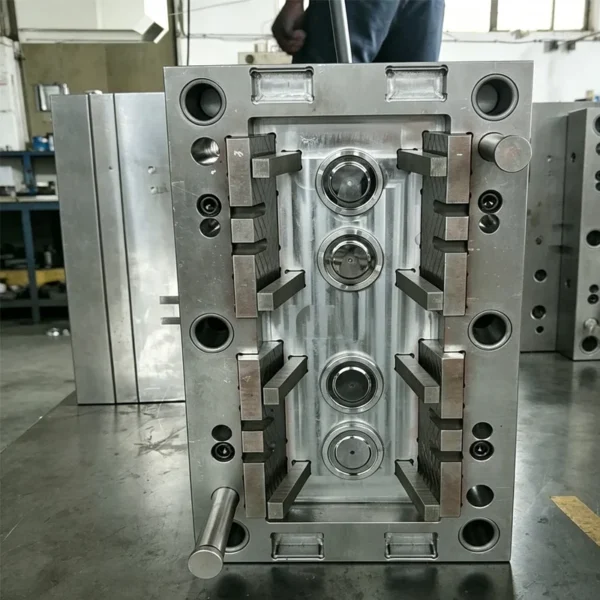
The main bodies of both the fixed shower head and the handheld unit are typically manufactured using engineering-grade Acrylonitrile Butadiene Styrene (ABS). Advanced
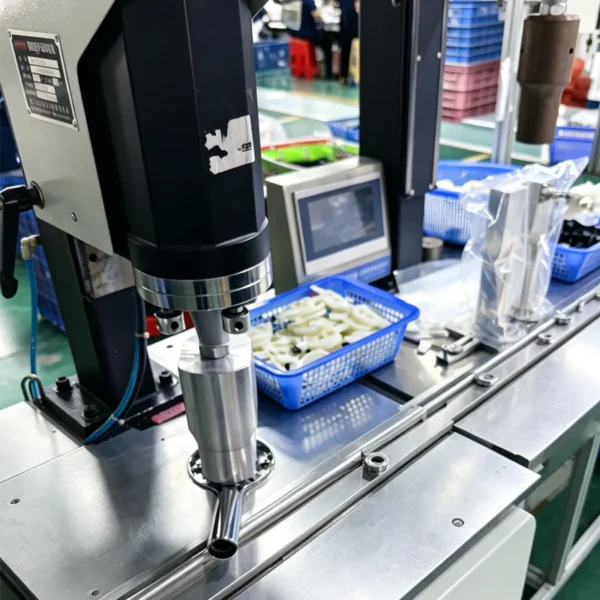
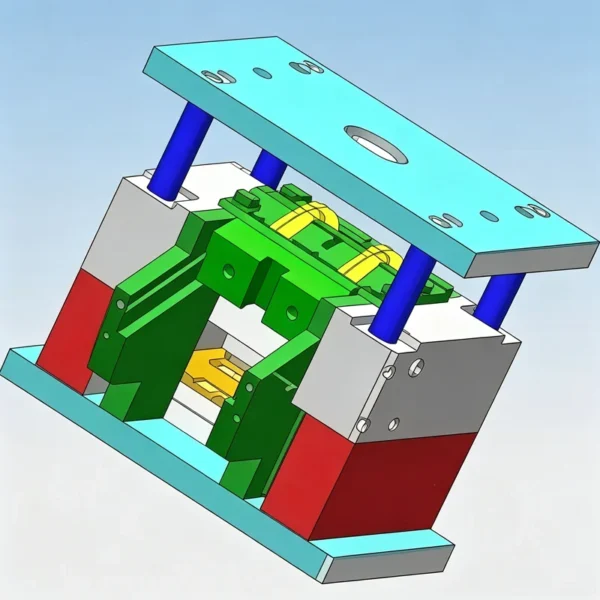
Plastic Injection Molding techniques are utilized to form the complex internal water channels and the faceplate. Controlling cooling times and mold temperatures is critical to prevent warping, which would otherwise compromise the watertight seal of the ultrasonic welding process used during assembly.
Precision Machining of Brass Diverter Valves
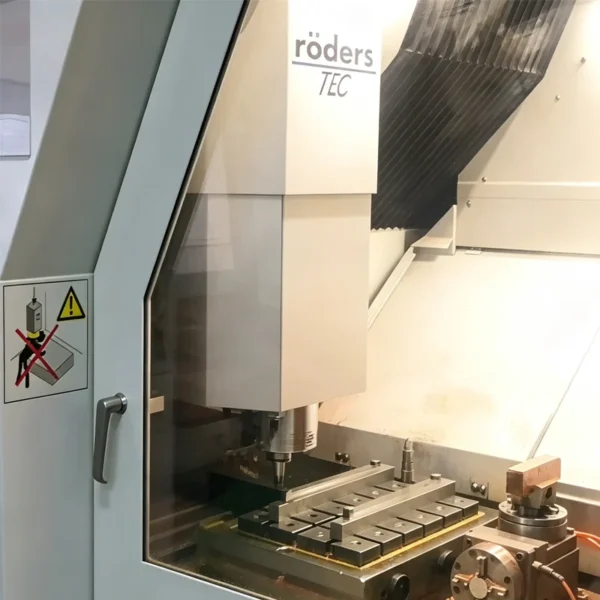
The diverter valve—often a 2-way or 3-way mechanism—is the structural heart of the system. These are usually cast from brass and require exceptional
CNC Machining capabilities. Multi-axis CNC centers mill the internal valve seats to micron-level tolerances. If the Diverter Valve Production is imprecise, the ceramic or brass cartridge will not seat correctly, causing water to leak from the fixed head when only the handheld is selected.
Surface Finishing Consistency Across Components
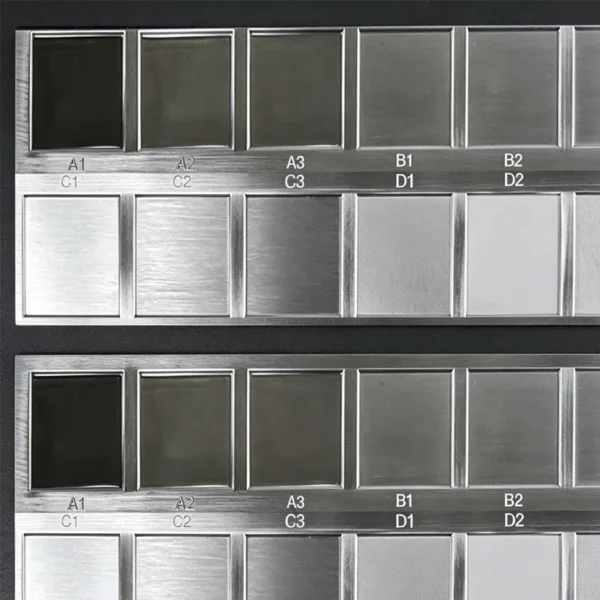
A major challenge in dual systems is achieving an identical visual finish across different base materials. The ABS shower heads, the PVC or stainless steel hose, and the brass diverter valve must all undergo
Surface Finishing—such as chrome electroplating or Physical Vapor Deposition (PVD)—using calibrated parameters so that the assembled product exhibits no color variation.
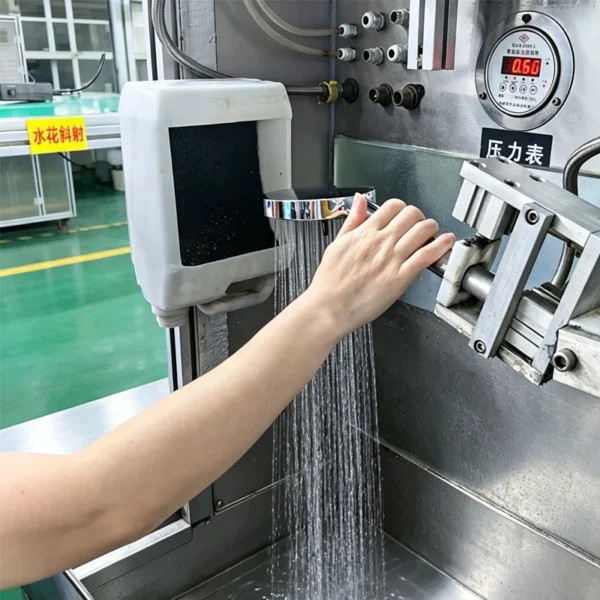
Hydrostatic and Flow Rate Testing
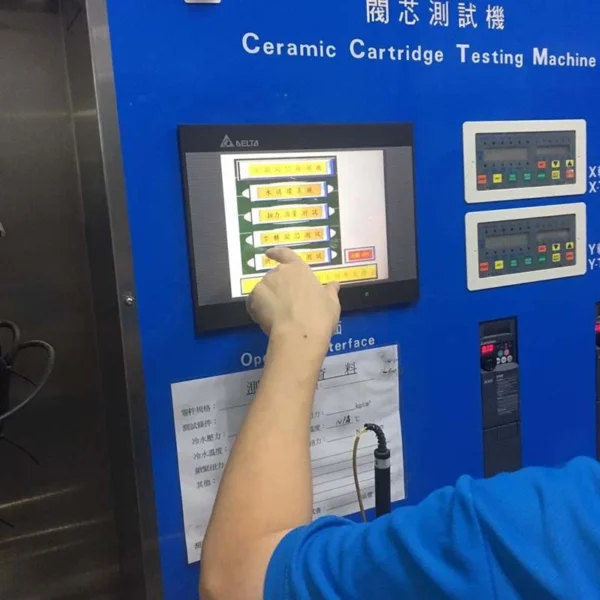
Before packaging, the assembled system undergoes rigorous Hydrostatic Testing. High-pressure water is forced through the diverter valve in all operating positions to verify that the CNC-machined seats and O-rings are completely sealed. Concurrently, Flow Rate Optimization is validated using digital flow meters to ensure the system meets local regulatory limits without compromising the spray force.
JEKARE Perspective: Engineering Insights from the Production Floor
When bathroom brands develop multi-functional shower systems, the main engineering challenge is rarely adding a handheld shower component itself. The more critical consideration is how the additional water outlet affects the overall system performance, structural reliability, and long-term user experience.
From a manufacturing perspective, JEKARE evaluates dual shower configurations by focusing on several key engineering factors, including diverter valve stability, internal water path design, component tolerance control, and flow performance under different operating modes. These factors directly influence whether a shower system can maintain consistent pressure, prevent internal leakage, and achieve reliable performance throughout its lifecycle.
During OEM and ODM product development, engineering teams typically review the complete system structure rather than individual components separately. The relationship between the fixed shower head, handheld unit, diverter mechanism, mounting structure, and internal waterways must be considered together during the design stage to reduce potential quality risks after mass production.
For brands expanding their shower product portfolios, this engineering approach helps transform a dual-function concept into a manufacturable product with predictable performance, controlled production costs, and improved market reliability.
Tooling Challenges in Diverter Integration
When brands attempt to retrofit a handheld unit onto an existing shower head design, the primary bottleneck is usually the diverter bracket. The structural integrity of Shower Head Tooling must account for the cantilevered weight of a water-filled handheld unit and hose pulling on the main bracket. If the ABS bracket is too thin, or the brass threading is too short, the entire unit will sag away from the wall pipe over time.
Engineering Application: Reliable OEM Shower Solutions
For procurement teams seeking a reliable manufacturing partner capable of handling the complexities of multi-outlet water systems, JEKARE provides comprehensive solutions tailored to rigorous commercial standards.
When B2B buyers source
OEM Shower Heads from JEKARE, they secure a product engineered for lifecycle longevity. Our dual shower configurations are designed with robust brass diverter cores and optimized internal fluid dynamics that maintain distinct spray pressure across both outlets.
Advantages for Procurement Managers:
-
Unified Flow Control: Our systems utilize proprietary flow restrictor placements that guarantee regulatory compliance regardless of the diverter position.
-
Cross-Material Finish Matching: We employ strict spectrophotometer testing to ensure ABS, stainless steel, and brass components share an identical finish, eliminating the “patchwork” look common in multi-material assemblies.
-
Certified Reliability: Every diverter mechanism undergoes automated lifecycle testing (upwards of 50,000 cycles) to ensure the ceramic discs or brass spools outlast the product’s warranty period, minimizing costly after-sales RMA requests.
Practical Decision Framework for B2B Procurement Teams
Before finalizing a contract for OEM Shower Systems, procurement managers should run a systematic audit against the following criteria to evaluate their manufacturing partner’s true capabilities.
Evaluating Supplier Valve Capabilities
-
✓ Does the supplier manufacture the diverter valve in-house using dedicated CNC centers, or is it outsourced to a third-party sub-supplier with unknown tolerance controls?
-
✓ Can the factory provide lifecycle testing data for the diverter mechanism under high-temperature and high-pressure water conditions?
Auditing Material and Finish Consistency
-
✓ Does the facility possess the testing equipment (such as spectrophotometers) to verify finish consistency across ABS, brass, and PVC components?
-
✓ Are the internal waterways subjected to automated ultrasonic cleaning to remove abrasive shavings prior to cartridge assembly?
What This Means for Your Brand
Implementing a rigorous engineering evaluation for dual shower systems transforms a potential warranty liability into a strategic market advantage.
Upgrading Product Positioning
By sourcing engineered systems that utilize solid brass diverters and precisely molded ABS bodies, brands can confidently position their products in the premium residential and commercial specification tiers. A dual system that does not leak, sag, or lose pressure builds long-term customer trust and elevates the perceived value of the entire catalog.
Accelerating Time-to-Market for Complex Systems
Working with an integrated manufacturing partner that possesses mature in-house injection molding, CNC machining, and automated assembly capabilities drastically reduces product development cycles. This allows your brand to introduce compliant, multi-functional shower experiences to the market ahead of competitors.
Conclusion
Adding a handheld unit to a shower head is a complex engineering task that requires precise fluid dynamics, strict tolerance CNC machining for diverter valves, and advanced material finishing. By partnering with an engineering-driven OEM manufacturer that prioritizes supply chain transparency and rigorous lifecycle testing, global bathroom brands can secure superior product reliability, ensure regulatory compliance, and confidently expand their product offerings.
FAQ
1. Can a handheld shower be added to any existing wall-mounted shower pipe?
Yes, mechanically it is possible by installing a 2-way or 3-way diverter valve between the shower arm and the fixed shower head. However, the existing plumbing must have sufficient water pressure to support the diverter mechanism without severely restricting the flow.
2. What causes pressure loss when switching between a fixed head and a handheld unit?
Pressure loss is typically caused by poorly engineered internal waterways within the diverter valve, or by the integration of multiple flow restrictors that aggressively bottleneck the water supply to meet compliance standards. Precision internal machining is required to optimize fluid dynamics.
3. Why do some dual shower systems leak from the fixed head when the handheld is in use?
This is a direct result of poor CNC machining tolerances inside the diverter valve. If the internal brass or ceramic cartridge does not seat perfectly against the valve walls, water bypasses the seal and drips from the inactive outlet.
4. How do manufacturers ensure the color matches between the plastic shower head and the brass diverter?
Premium manufacturers utilize strict plating parameter controls and spectrophotometer testing to ensure that the chrome or PVD finishes applied to ABS plastics visually match the finishes applied to the brass and stainless steel components.
5. Are dual shower head systems compliant with strict water conservation laws?
They can be, provided the manufacturer integrates a master flow restrictor at the main inlet that regulates the total water output (e.g., 1.8 GPM total), ensuring the system does not exceed legal limits even if both shower heads are running simultaneously.
About the Author
Sunny is a Senior Shower Systems Engineer at JEKARE with over 20 years of experience in sanitary ware product development and OEM manufacturing. He specializes in shower system engineering, fluid dynamics optimization, spray plate design, structural improvement, and compliance-driven product development. With extensive experience working with global bathroom brands and distributors, Sunny focuses on creating reliable, cost-effective bathroom solutions through engineering innovation and strict quality control.
References
-
Grand View Research – Plumbing Fixtures Market Analysis
https://www.grandviewresearch.com/industry-analysis/plumbing-fixtures-market
-
U.S. Environmental Protection Agency (EPA) – WaterSense Showerheads
https://www.epa.gov/watersense/showerheads
-
NSF International – Water Distribution Systems Standards
https://www.nsf.org/knowledge-library/water-distribution-systems
Request Engineering Review
- Upload Your CAD Files
- Request DFM Analysis
- Start Your OEM Project
- Request Material Recommendation