Call us: +86-18965139230 | Mail to us: info@jekare.com

The global bidets market was valued at USD 30.29 billion in 2025 and is projected to reach USD 41.21 billion by 2030, growing at a CAGR of 6.3%, according to The Business Research Company. As this category matures beyond early adoption, product usability — not just basic function — becomes a bigger factor in whether a specific product succeeds with end users, since more products now compete for the same growing demand.
Backflow safety and material compliance tend to dominate bidet sprayer sourcing conversations, for good reason — but trigger grip force, handle length, and reach are the details that actually shape whether a user finds the product comfortable and intuitive to operate, and they’re rarely the first question asked during supplier evaluation.
A bidet sprayer with excessive trigger resistance or an awkwardly positioned handle reads to the end user as a “cheap” or poorly made product, even when its underlying materials and compliance documentation are entirely sound — ergonomics shapes quality perception independent of actual engineering rigor.
Backflow compliance and material safety certification confirm a product is safe to use — they say nothing about whether it’s comfortable or intuitive to use, which means a fully compliant product can still generate usability complaints that compliance documentation alone won’t explain.
A leak or backflow failure is a discrete, diagnosable mechanical problem. A usability complaint — “it’s hard to use,” “the trigger is stiff” — is more diffuse and harder to trace to a specific design decision without deliberately evaluating ergonomic factors as part of product development.
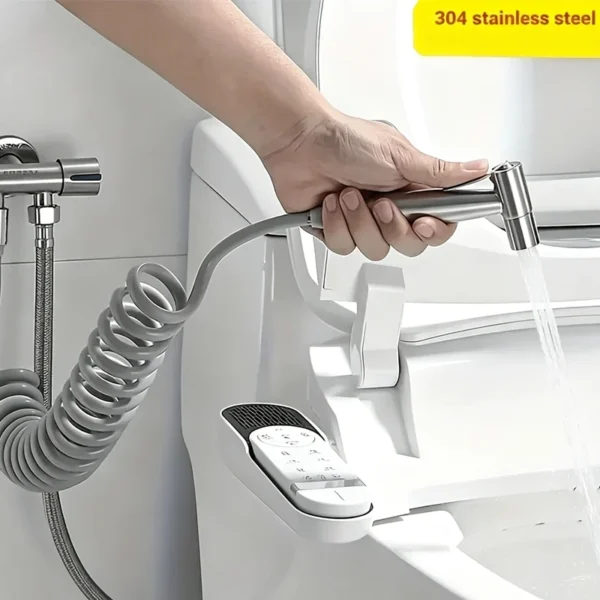
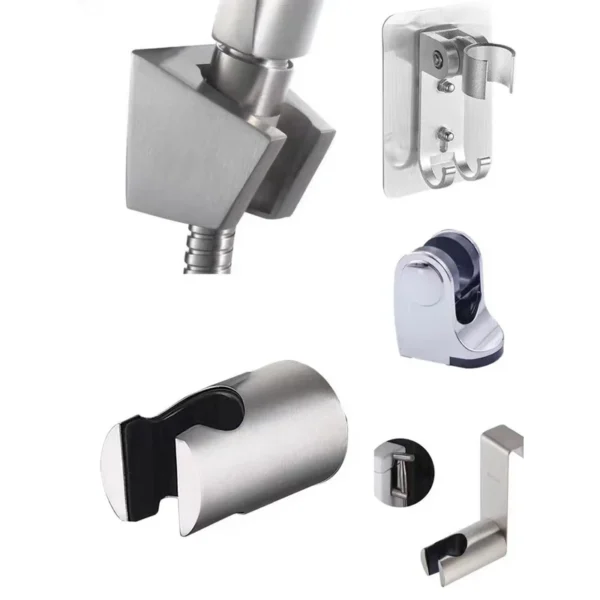
ASME A112.18.3 establishes performance criteria for backflow prevention in hose-connected fittings like bidet sprayers — a critical safety requirement, but one that addresses contamination risk specifically, not trigger ergonomics, handle comfort, or reach. A product can meet this standard fully while still being uncomfortable or unintuitive to operate.
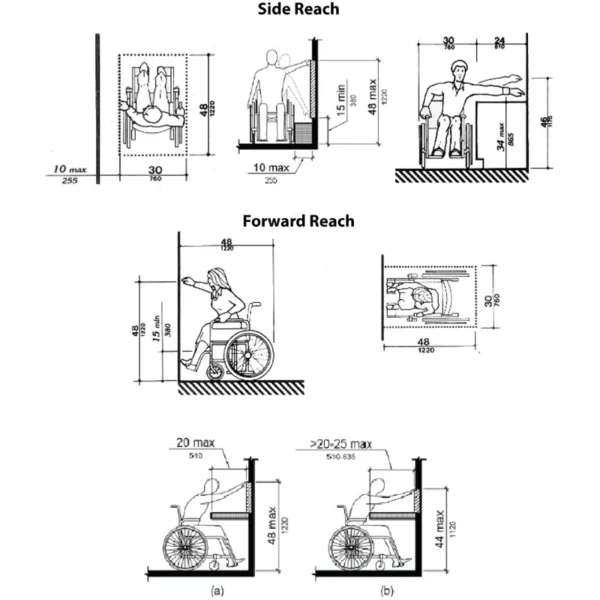
For installations where accessibility matters, the U.S. Access Board’s ADA Standards set specific reach range requirements — generally a forward reach maximum of 48 inches and side reach considerations depending on approach — for operable controls. While these ranges are formally scoped to ADA-designated installations, they reflect genuine, researched human-factors data on comfortable reach that’s relevant context for any handheld fixture’s mounting bracket placement, not just accessibility-mandated projects.
As more suppliers compete for a growing bidet sprayer market, a product that’s mechanically compliant but ergonomically weak is increasingly easy for buyers and end users to compare against better-designed alternatives — raising the competitive cost of treating ergonomics as an afterthought.
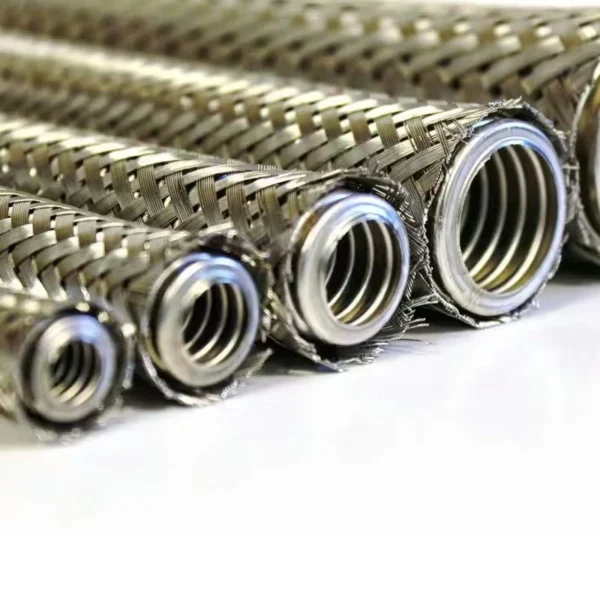
Over the past several years, our engineering team has supported global bathroom brands, distributors, and private-label buyers developing bidet sprayer programs for residential, commercial, and hospitality applications. One consistent shift we have observed is that buyers are expanding their evaluation criteria beyond compliance documentation and basic product specifications.
Backflow prevention, material safety, and connection reliability remain essential requirements, but they represent only one part of the complete user experience. Increasingly, procurement teams are asking how the product actually performs in daily use — including trigger actuation comfort, handle positioning, spray control, and overall ease of operation.
From an engineering perspective, many usability issues are not caused by major mechanical failures. Instead, they often come from smaller design decisions made during product development, such as excessive trigger resistance, unsuitable handle geometry, limited reach range, or inconsistent spray response during partial trigger activation.
At JEKARE, we approach bidet sprayer development by evaluating compliance requirements and user experience requirements together. During OEM/ODM development, our engineering team reviews trigger mechanism design, handle ergonomics, hose and bracket positioning, and spray performance to ensure the finished product meets both technical expectations and real-world usability needs.
For brands expanding into the bidet sprayer category, this approach helps reduce the risk of launching products that pass compliance testing but still generate user complaints after market release. By integrating ergonomic considerations into the manufacturing process, JEKARE helps global bathroom brands develop products that deliver reliable performance, comfortable operation, and stronger long-term market acceptance.
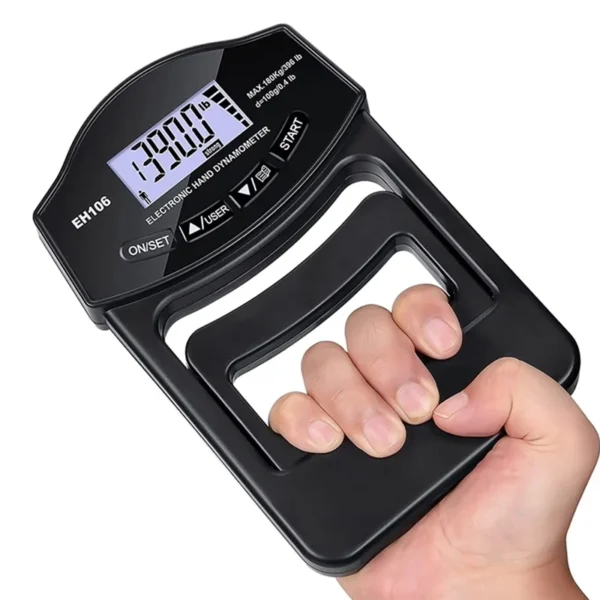
Request specific data on trigger actuation force, not just backflow prevention documentation — a manufacturer that can speak to this in concrete terms has likely considered ergonomics as a deliberate design input, not an afterthought.
Confirm handle and hose length are appropriate for the target installation’s mounting bracket position and expected user reach, rather than assuming a single fixed length suits every bathroom layout.
Mechanical cycle testing confirms a trigger will function reliably over time — it doesn’t confirm the force required to actuate it feels reasonable to an actual user; ask whether any user-facing evaluation informed the design beyond pure mechanical durability testing.
Evaluate whether spray direction and intensity remain predictable and controllable across the trigger’s full range of actuation, since inconsistent behavior at partial trigger engagement is a common source of user frustration.
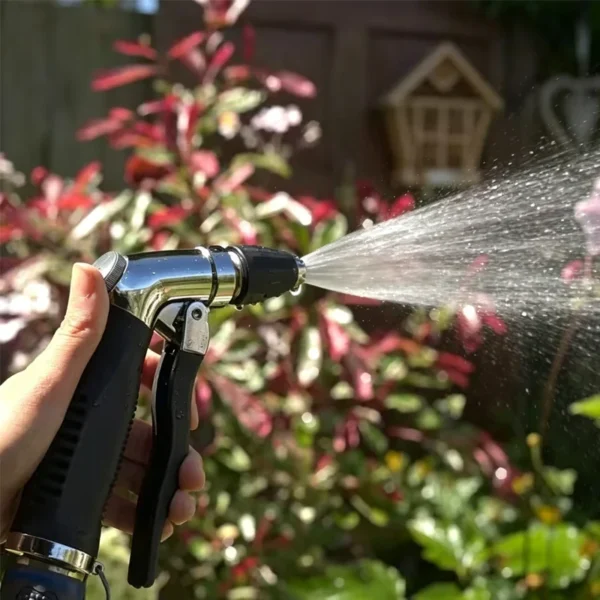
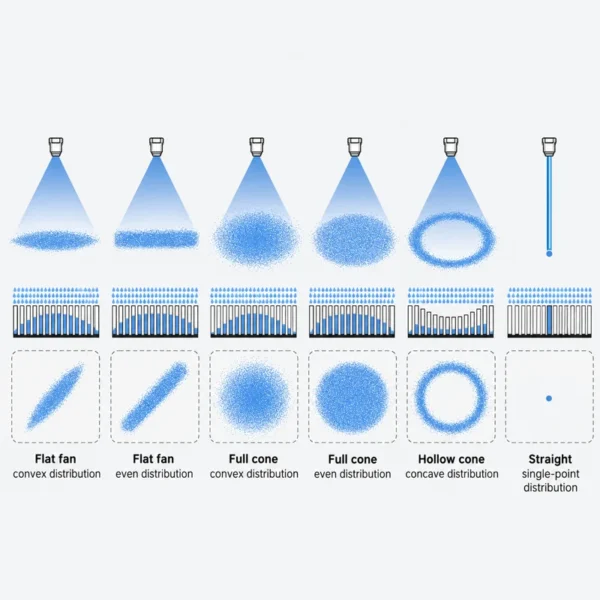
Ergonomic design connects directly to end-user satisfaction and repeat-purchase behavior in a category where products increasingly compete on more than just base compliance — a brand sourcing on compliance documentation alone risks a product that passes every safety requirement while still generating usability complaints that erode customer trust.
More broadly, as the bidet sprayer category matures and more suppliers compete for the same growing demand, ergonomic design quality is becoming a quiet but genuine differentiator — a factor buyers can evaluate and communicate to their own retail and hospitality customers alongside compliance credentials, not instead of them.
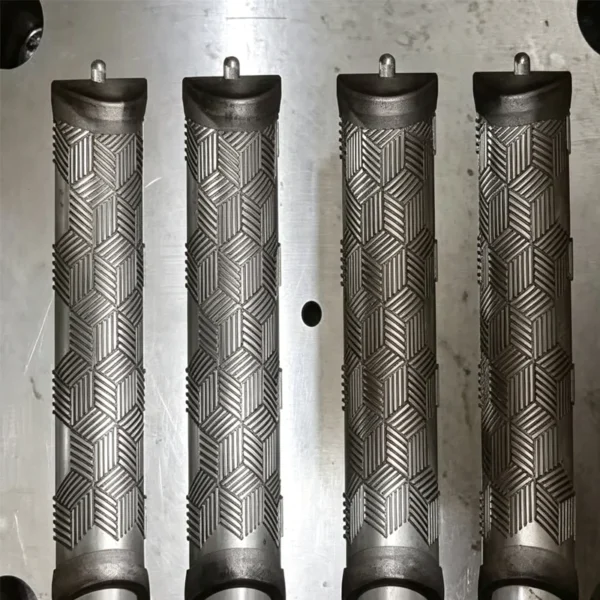
JEKARE’s engineering approach to hose-connected fittings, applied across its faucet product line, addresses trigger and handle ergonomics alongside backflow-compliant engineering — treating usability and compliance as coordinated design inputs rather than sequential, unrelated requirements. In-house die casting and surface finishing support consistent handle geometry and grip surface quality across production runs, which matters directly for maintaining ergonomic consistency at scale.
Brands developing a bidet sprayer line extension can work through JEKARE’s product line extension solution and OEM/ODM project process to address trigger force, handle reach, and spray consistency as explicit development criteria alongside backflow compliance documentation.
Bidet sprayer usability is shaped by specific, evaluable design decisions — trigger grip force, handle length and reach, spray consistency across actuation range — that sit outside what backflow compliance and material safety certification actually test for. For B2B buyers, the practical takeaway is to evaluate ergonomic design as its own criterion during supplier assessment, not assume it’s automatically addressed by a product’s compliance documentation.
Not automatically — excessively low resistance can also cause accidental activation, so the goal is an appropriate, deliberately engineered force range rather than simply minimizing resistance.
This depends on the target market — a brand serving diverse installation contexts (varying bracket heights, bathroom layouts) may benefit from offering length options rather than a single fixed hose length across the entire line.
No — certifications like ASME A112.18.3 address safety and backflow performance specifically, not ergonomic usability, which is why ergonomic evaluation needs to be requested and confirmed separately from standard compliance documentation.
Yes — nozzle geometry directly affects how predictably spray direction and intensity respond to trigger actuation, which is why evaluating this behavior for a specific product design, rather than assuming uniformity across nozzle types, is worthwhile.
Requesting physical samples for hands-on evaluation, alongside any available trigger-force or user-testing data a supplier can provide, is generally more reliable than assessing ergonomics from a spec sheet or product photos alone.
Lily is a Senior Quality and OEM Process Engineer at JEKARE with over 20 years of experience in bathroom fixture manufacturing and supplier quality systems. She specializes in ergonomic and usability testing, trigger and handle mechanism engineering, and product development support across faucet and bathroom accessory categories. With extensive experience guiding global bathroom brands through new product development, Lily focuses on helping buyers evaluate usability as a distinct product-quality dimension, separate from but equally important to compliance documentation.
✔ 20+ Years of OEM & ODM Manufacturing Experience
✔ Ergonomic Design Evaluated Alongside Backflow-Compliant Engineering
✔ In-House Die Casting and Surface Finishing for Consistent Handle Quality
✔ Faucet, Shower, and Accessory Line Extension Support
✔ Trigger and Spray Consistency Testing Across Production Runs
✔ Reliable Manufacturing Partner for Global Distributors and Brands
Whether you’re refining an existing bidet sprayer line or developing a new one, JEKARE provides engineering-driven OEM manufacturing support from concept development through mass production.Contact our team to discuss your next bathroom product project.