Call us: +86-18965139230 | Mail to us: info@jekare.com

The global bidets market was valued at USD 30.29 billion in 2025 and is projected to reach USD 41.21 billion by 2030, growing at a CAGR of 6.3%, according to The Business Research Company. The report attributes this growth to increasing hygiene awareness, rising sanitation development initiatives, and expanding bathroom modernization trends — a combination that has pushed bidet products well beyond their traditional regional strongholds and into mainstream product development conversations for bathroom brands operating across multiple markets.
Within this broader bidet category, handheld bidet sprayers occupy a distinct position: unlike standalone bidet fixtures or electronic bidet seats, they attach to existing plumbing supply lines and require comparatively minimal installation, which has made them a natural line extension for manufacturers already producing faucets and shower fittings rather than a separate product category built from scratch.
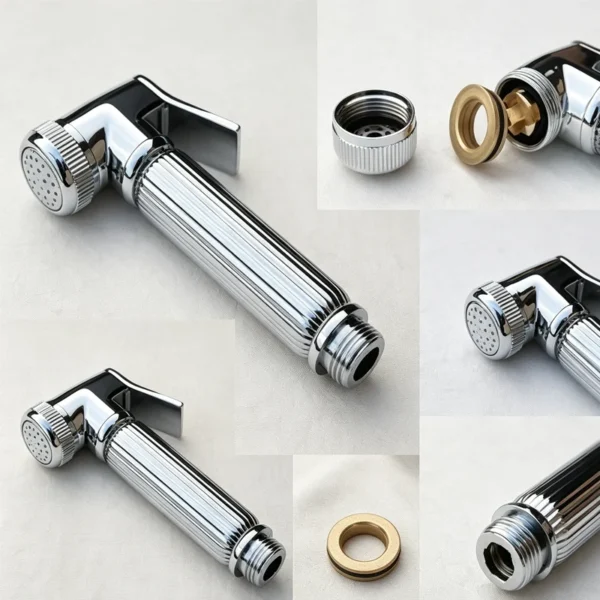
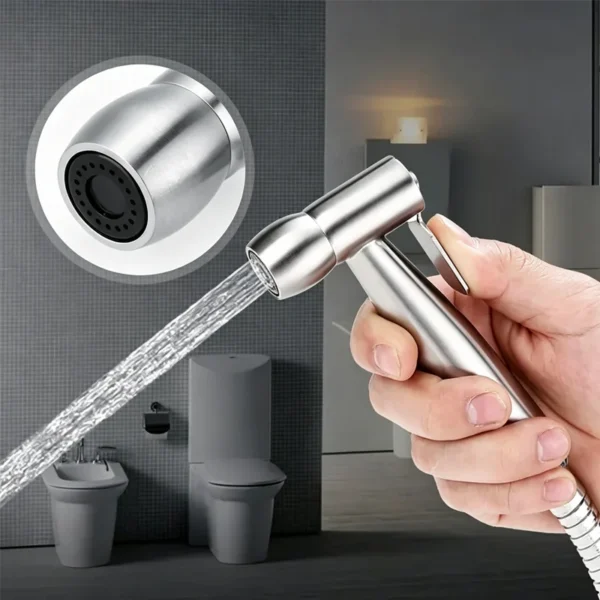
A bidet sprayer shares core engineering elements — valve mechanisms, hose connections, trigger assemblies — with products many bathroom brands already source. For brands with an existing faucet or shower supplier relationship, adding a bidet sprayer line often requires less incremental sourcing complexity than launching an entirely new product category would.
Because a bidet sprayer’s nozzle operates in close proximity to the toilet bowl, backflow contamination risk is a genuine safety concern, not a theoretical compliance formality. A product that fails to meet applicable backflow protection requirements creates real liability exposure for the brand selling it, independent of how well the sprayer performs functionally.
Bidet adoption norms vary significantly by region — configuration expectations, mounting preferences, and even trigger mechanism design differ between markets with long-established bidet culture and markets where the category is newer. A single fixed product design doesn’t necessarily translate cleanly across all target markets.
Growth in the bidets market is driven substantially by rising consumer awareness of water-based cleaning as an alternative to paper-based methods, alongside increasing adoption in both residential and commercial sectors, according to The Business Research Company’s analysis — positioning hygiene and sanitation as the primary demand narrative rather than luxury or novelty positioning.
Beyond residential demand, Market Research Future’s analysis identifies the healthcare segment as the fastest-growing end-use category, driven by rising hygiene standards in clinical and elder-care settings — a signal that bidet sprayer sourcing decisions increasingly need to account for commercial and institutional specification requirements, not just residential retail demand.
Hand-held showers, faucets, and fixture fittings with hose connection outlets — the category a bidet sprayer falls into — are required under applicable plumbing code to either conform to ASME A112.18.1/CSA B125.1 or incorporate an ASME A112.18.3 backflow prevention device, which establishes performance criteria and test methods for backflow protection consistent with the contamination risk level of the specific fixture application. This is a directly checkable compliance reference: a bidet sprayer supplier should be able to confirm which of these two compliance paths its product follows, rather than offering a general assurance of “safe design.”
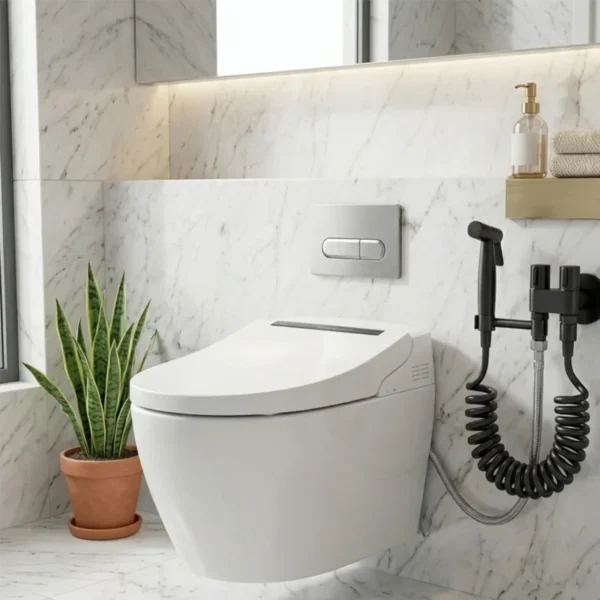
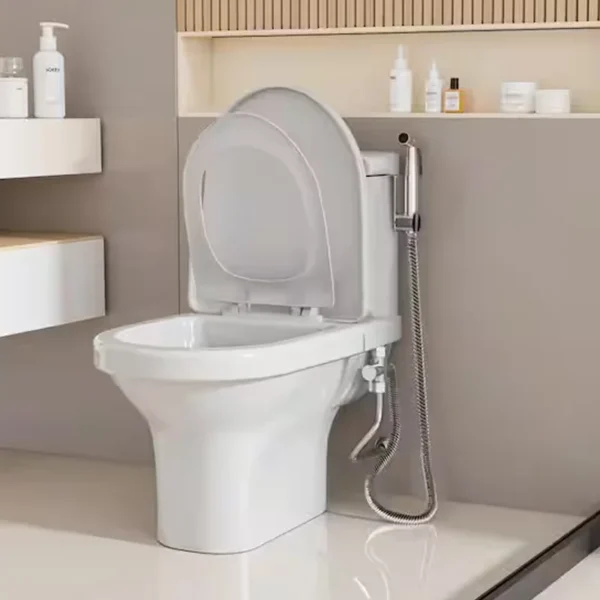
From JEKARE’s experience supporting faucet and bathroom accessory OEM projects, bidet sprayer development is typically evaluated as a product line extension rather than an isolated category launch. During the engineering review stage, brands usually focus on three practical considerations: compatibility with existing bathroom collections, backflow protection requirements, and consistency with current faucet or shower product finishes.
For manufacturers developing hose-connected bathroom accessories, the main engineering challenge is not only the external design of the sprayer, but also the coordination between internal valve structures, trigger mechanisms, hose connections, and long-term durability requirements. JEKARE applies its existing expertise in brass component manufacturing, die casting, surface finishing, and quality inspection processes to support accessory development programs where reliability and finish consistency are critical.
When evaluating a bidet sprayer line extension, our engineering team recommends that brands treat it with the same product development discipline applied to faucets and shower systems — including material selection, component validation, compliance review, and production testing before moving into mass production.
Ask specifically whether a bidet sprayer’s hose connection outlet complies with ASME A112.18.1/CSA B125.1 or incorporates an ASME A112.18.3-compliant backflow prevention device — and request the documentation, not just a verbal confirmation.
A bidet sprayer sees frequent mechanical actuation at the trigger and repeated hose flexing — ask about cycle-life testing for these specific components rather than treating the sprayer as a simple, low-wear accessory.
Confirm whether a manufacturer can adjust hose length, mounting bracket design, and trigger mechanism to match the installation norms of your specific target market, rather than sourcing a single fixed configuration for all regions.
If the bidet sprayer is being added as a line extension alongside an existing faucet or shower product line, confirm the manufacturer can match finish and base material consistently — a mismatched accessory undermines the cohesive collection positioning brands typically want from a line extension.
Bidet sprayer demand connects directly to how bathroom brands think about product line breadth — a category that started as a regionally specific accessory is now a mainstream extension opportunity that leverages engineering and supplier relationships many brands already have in place through their faucet and shower programs. Treating it as an entirely separate sourcing initiative, rather than a natural extension of existing supplier capability, generally adds unnecessary complexity.
More broadly, as healthcare and commercial demand grows alongside residential adoption, brands positioned to serve institutional buyers — hospitals, elder-care facilities, hospitality projects — with properly compliant, well-documented bidet sprayer products have access to a demand segment that’s currently growing faster than the broader category average.
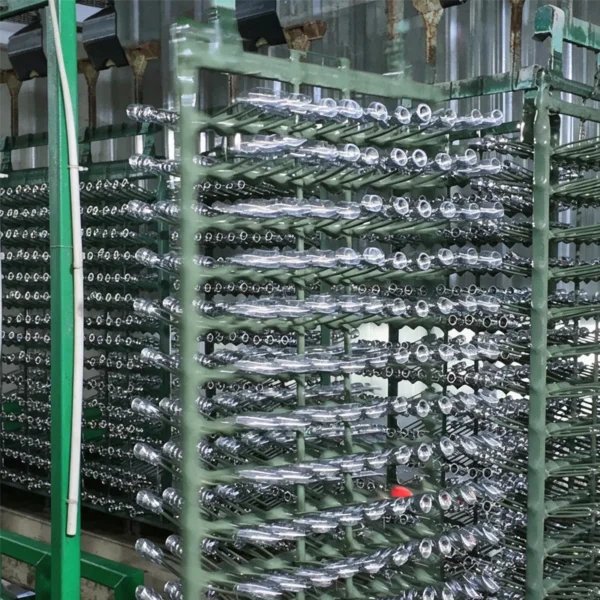
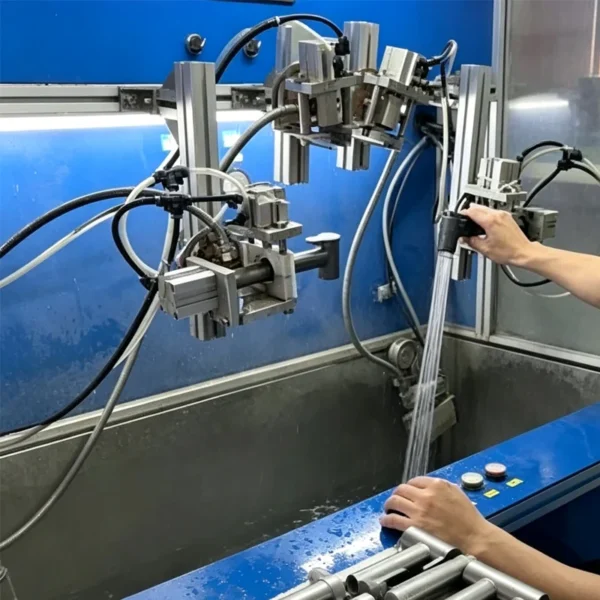
JEKARE’s engineering and die casting capability, already applied across its faucet product line, supports development of accessory products like handheld bidet sprayers as a line extension — brass valve and trigger construction paired with backflow-compliant hose connections addresses the safety compliance question that comes up first in any bidet sprayer supplier evaluation.
For brands looking to extend an existing faucet or shower collection with a matching bidet sprayer, JEKARE’s surface finishing capability supports finish consistency across accessory and core product lines within the same production facility. Brands evaluating this kind of accessory line extension can review JEKARE’s product line extension solution directly to see how new accessory development is typically scoped alongside an existing product program.
Bidet sprayer demand has moved from a regionally specific accessory into a mainstream product development opportunity, driven by hygiene awareness and growing commercial and healthcare adoption. For B2B buyers, the practical takeaway is that a bidet sprayer line extension carries real backflow safety compliance requirements under ASME A112.18.3 — a factor that should be verified with the same rigor as any core plumbing fixture, not treated as a lower-stakes accessory decision.
It depends on the fitting — hand-held fittings with hose connection outlets can meet the requirement either by conforming to ASME A112.18.1/CSA B125.1 directly or by incorporating a separate ASME A112.18.3-compliant backflow device, so a buyer should confirm which compliance path a specific product follows rather than assuming one universal answer.
Generally yes — bidet sprayers typically connect to existing water supply lines as a separate fitting rather than requiring modification to the base faucet or shower valve, though hose bracket mounting location should be coordinated with the overall bathroom fixture layout.
Yes — a handheld sprayer is a mechanical hose-and-valve product that shares engineering with faucets, while electronic bidet toilet seats involve additional components like heating elements and electronic controls, representing a meaningfully more complex sourcing and testing process.
This depends on the brand’s existing channel strength — since healthcare and commercial segments are currently the fastest-growing per market data, brands with existing hospitality or institutional buyer relationships may find faster traction there, while brands focused on retail distribution may see more immediate volume from residential demand.
This varies by target market and collection design, but chrome and matte black are common choices for matching bidet sprayer trigger and hose bracket hardware to an existing faucet finish — worth confirming finish-matching capability specifically when evaluating a line extension supplier.
Lily is a Senior Quality and OEM Process Engineer at JEKARE with over 20 years of experience in bathroom fixture manufacturing and supplier quality systems. She specializes in backflow prevention compliance, hose and valve component testing, and product line extension development across faucet and bathroom accessory categories. With extensive experience guiding global bathroom brands and distributors through new accessory line development, Lily focuses on helping buyers understand the compliance requirements specific to hose-connected fittings before committing a new product line to production.
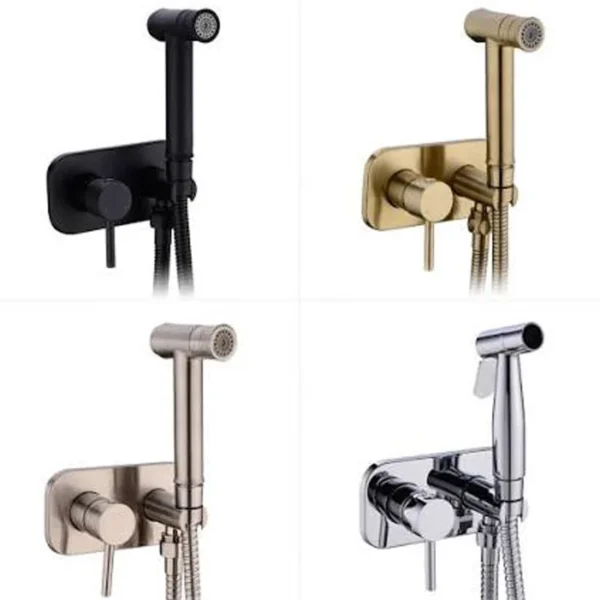
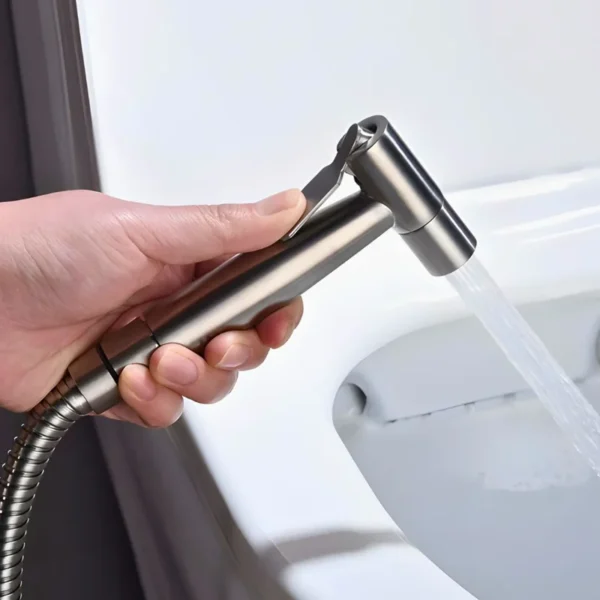
1. The Business Research Company — Bidets Global Market Report
https://www.thebusinessresearchcompany.com/report/bidets-global-market-report
2. Market Research Future — Bidets Market Size, Share, Industry Trends, Global Analysis
https://www.marketresearchfuture.com/reports/bidets-market-10165
3. ASME — A112.18.3: Performance Requirements for Backflow Devices and Systems in Plumbing Fixture Fittings
https://www.asme.org/codes-standards/find-codes-standards/a112-18-3-performance-requirements-backflow-devices-systems-plumbing-fixture-fittings
✔ 20+ Years of OEM & ODM Manufacturing Experience
✔ In-House Die Casting and Multi-Finish Surface Finishing
✔ Faucet, Shower, and Accessory Line Extension Support
✔ Backflow-Compliant Hose and Valve Component Engineering
✔ Flexible Customization Across Finish and Configuration Options
✔ Reliable Manufacturing Partner for Global Distributors and Brands
Whether you’re extending an existing faucet collection with a matching bidet sprayer or developing a new accessory line for hospitality and healthcare buyers, JEKARE provides engineering-driven OEM manufacturing support from concept development through mass production.Contact our team to discuss your next bathroom product project.