Global bathroom brands, hospitality project managers, and private label distributors face immense supply chain volatility. Selecting the wrong contract partner can lead to delayed project timelines, inconsistent surface finishes, and expensive product recalls. According to a 2025 supply chain resilience report by
McKinsey & Company, industrial buyers are increasingly shifting away from transactional broker relationships toward deep, factory-direct technical audits. To secure long-term product competitiveness, procurement teams need a structured evaluation framework that goes beyond basic pricing sheets.
Industry Background: The Changing Landscape of Sanitary Ware Sourcing
The global sanitary ware procurement market is undergoing a rapid evolution. Increased automation, stricter environmental regulations, and shifting international trade policies have transformed how brands select their production partners.
The Shift Toward Direct OEM Partnerships
Historically, many regional distributors relied on multi-layered trading companies to source bathroom fixtures. However, market intelligence from
Grand View Research indicates that the global sanitary ware market is expanding steadily, driven by commercial and hospitality construction. This growth requires procurement managers to establish direct relationships with primary manufacturers who can guarantee raw material traceability and stable lead times.
Rising Regulatory Pressures and Compliance Demands
Water efficiency standards and heavy metal restrictions have become exceptionally strict across North America and Europe. Regulatory frameworks enforced by bodies like the
U.S. Environmental Protection Agency (EPA) WaterSense mean that a manufacturing partner must possess advanced in-house testing laboratories to verify flow rates and lead-free compliance before mass shipment.
The Vulnerability of Global Supply Chains
Recent logistical challenges have exposed the risks of relying on suppliers with opaque sub-tier manufacturing networks. Brands now demand complete visibility into raw material processing, internal machining tolerances, and final assembly lines to mitigate operational disruptions.
Why Evaluating a Manufacturer’s Engineering Depth Matters
When vetting a potential manufacturing partner, surface-level sales brochures and polished showroom displays are insufficient. True supplier reliability is rooted in engineering infrastructure and technical problem-solving capabilities.
Assessing In-House Design and DFM Capabilities
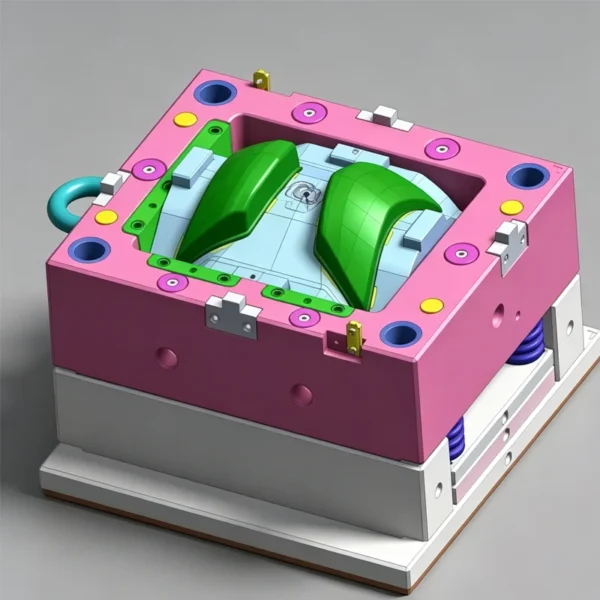
A competent manufacturing partner does not simply execute drawings; they optimize them. During the Design for Manufacturing (DFM) phase, engineers must identify potential structural flaws, wall thickness inconsistencies, or tooling challenges before steel molds are cut. Brands can learn more about how structured design reviews prevent production defects by exploring
sanitary ware design and development methodologies.
The Role of Precision Machining in Product Longevity
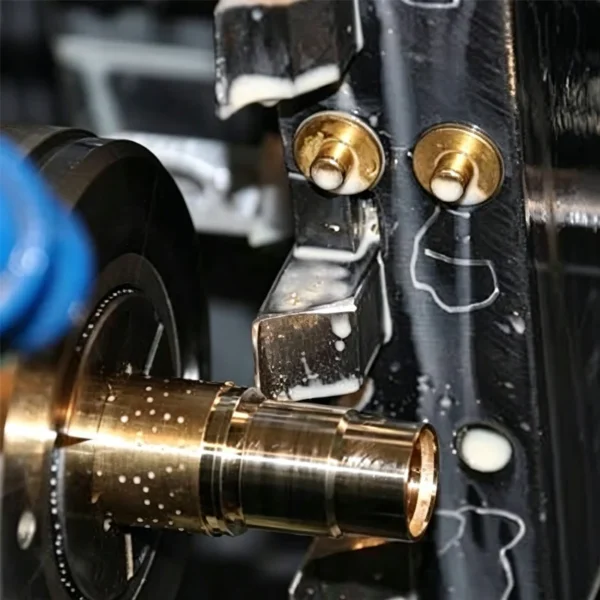
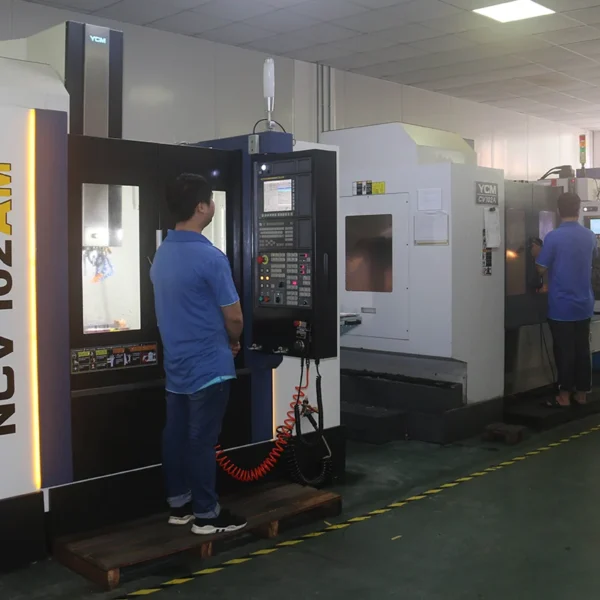
Internal components such as faucet valve seats, shower diverters, and electronic sensor housings require microscopic precision. If a supplier outsources its machining to unverified local workshops, dimensional tolerances drift, leading to premature leaks and mechanical failures. Reviewing advanced
CNC machining capabilities ensures that internal components maintain structural integrity over hundreds of thousands of usage cycles.
Surface Finishing Mastery and Corrosion Resistance
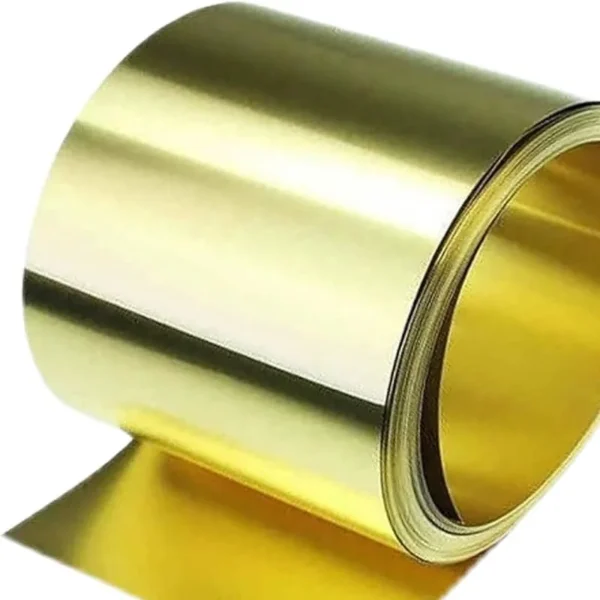
The visual appeal and durability of a bathroom fixture rely heavily on surface preparation. Whether applying chrome electroplating or advanced Physical Vapor Deposition (PVD) finishes, the base metal must be entirely free of micro-porosity. Sourcing partners must demonstrate strict control over their
surface finishing lines to guarantee batch-to-batch color consistency and corrosion resistance.
Market Observation: What Global Data and Trade Insights Reveal
Evaluating manufacturing reliability requires analyzing current industry data and trade standards. Recent metrics from key sector reports highlight what top-tier global brands prioritize during vendor selection.
Grand View Research Metrics on Sanitary Ware Expansion
Market forecasts emphasize that premium residential and commercial sectors are growing at a steady pace. This expansion increases the demand for custom fixtures, forcing brands to partner with factories that offer flexible OEM and ODM customization without compromising production speed.
ISO and International Quality Standards
A 2024 industrial manufacturing analysis published by
ISO (International Organization for Standardization) highlighted that certified process repeatability is the single greatest indicator of long-term vendor stability. Factories maintaining rigorous ISO 9001 quality management systems exhibit significantly lower defect rates and more reliable delivery schedules.
Sustainability and Material Traceability
Modern corporate social responsibility (CSR) mandates require brands to audit their suppliers’ environmental impact. Sourcing managers now prioritize factories that utilize recycled brass, lead-free raw materials, and closed-loop water treatment systems during production.
JEKARE Perspective: What We See on the Production Floor
Our engineering and sales teams interact daily with global brand owners and procurement directors who are restructuring their supply chains. A consistent pattern has emerged from these discussions.
The Transition from Price-Driven to Value-Driven Sourcing
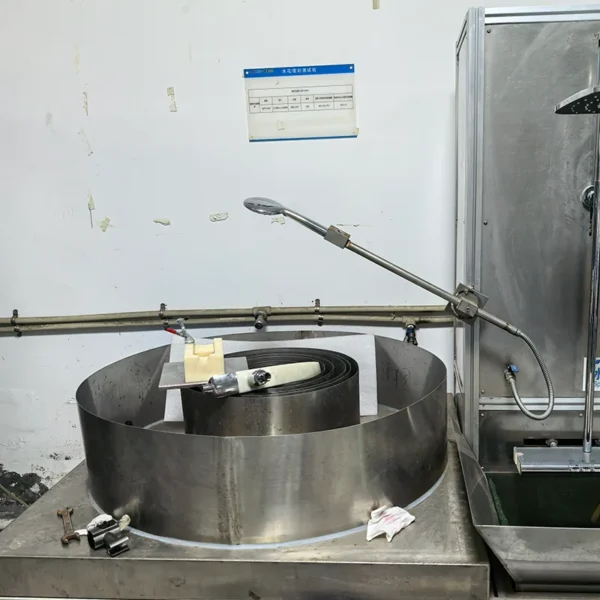
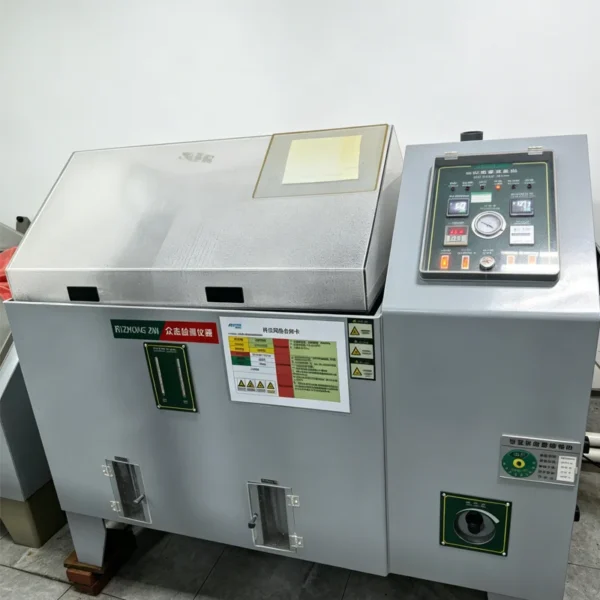
Years ago, initial RFQs focused primarily on unit cost. Today, more than 70% of initial buyer inquiries begin with questions regarding our testing protocols, salt-spray corrosion resistance data, and compliance documentation. Brands have realized that a cheaper unit price is instantly wiped out by a single container of field failures.
Demands for Transparent Quality Control Documentation
Procurement managers no longer accept generic factory inspection sheets. They request real-time testing parameters, cross-section density reports, and cycle-life test validations. This shift proves that brand owners view their manufacturing partners as technical extensions of their own internal quality assurance teams.
Practical Decision Framework for B2B Procurement Teams
Before finalizing a contract with a new bathroom manufacturer, procurement managers should run a systematic audit against the following criteria.
Evaluating Factory Infrastructure and Tooling Control
-
✓ Does the supplier manage its own mold-making and tooling design in-house, or do they rely on external subcontractors?
-
✓ Can the engineering team provide detailed flow-simulation and stress-analysis data during the initial project kickoff?
Auditing Quality Control and Testing Protocols
-
✓ Are raw materials spectrochemically analyzed before entering the production line to verify alloy composition?
-
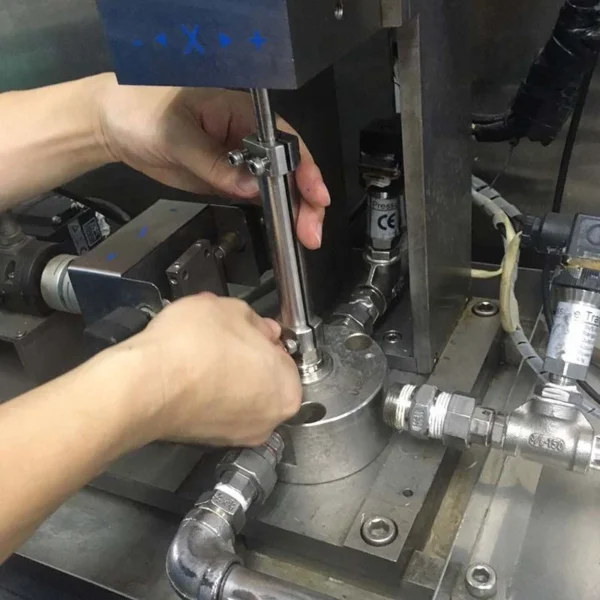
✓ Does the factory conduct 100% hydrostatic and pneumatic pressure testing on finished fixtures before packaging?
Assessing Communication and Project Management Agility
-
✓ Is there a dedicated engineering project manager assigned to your account who speaks fluent technical English?
-
✓ How does the supplier handle engineering change orders (ECOs) during the prototype phase?
What This Means for Your Brand
Implementing a rigorous evaluation framework transforms your supply chain from a operational risk into a core competitive advantage.
Protecting Brand Reputation and Minimizing Warranty Costs
By partnering with an audited, engineering-driven manufacturer, you drastically reduce the incidence of field failures, water leaks, and finish blistering. This protects your brand equity and minimizes costly after-sales service claims.
Accelerating Time-to-Market for New Collections
A manufacturer with mature DFM capabilities and in-house tooling can transition a concept from a CAD drawing to mass production much faster than a supplier that outsources core manufacturing steps.
Scalability Across Commercial and Residential Segments
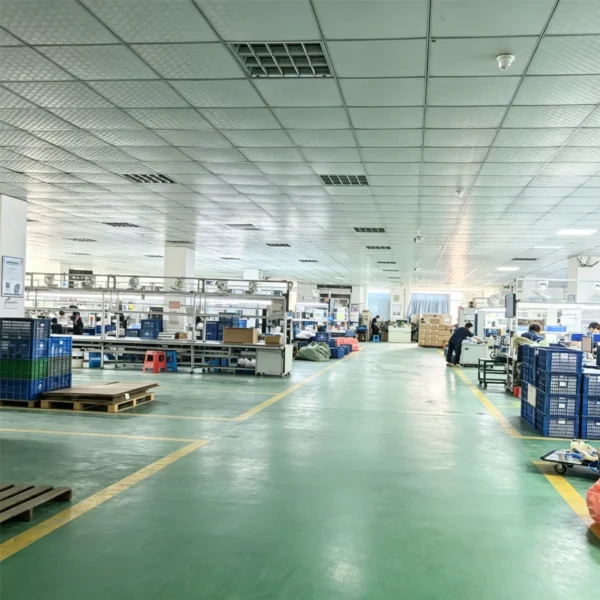
A reliable manufacturing partner provides the production capacity and quality stability necessary to scale your product lines from boutique residential installations to large-scale commercial hospitality projects without missing delivery deadlines.
Engineering Application: Scalable OEM Bathroom Solutions
For procurement teams seeking a reliable manufacturing partner with a proven track record in sanitary ware engineering, JEKARE offers comprehensive OEM and ODM solutions tailored to global brands and distributors.
JEKARE Manufacturing Capabilities in Action
A prime example of our production excellence is demonstrated in our flagship bathroom fixture lines, including our precision-engineered
electroplating brass kitchen faucet taps. Built for high-end distribution, these fixtures combine gravity die-cast brass bodies with advanced multi-layer electroplating, ensuring superior corrosion resistance and long-term operational reliability.
Key Advantages for Procurement Managers:
-
Rigorous Quality Assurance: Every fixture undergoes 100% pressure testing and strict surface inspection before final assembly.
-
Customization Flexibility: Full support for custom handle designs, laser-etched brand logos, and specialized packaging configurations.
-
Compliance Readiness: Designed to meet international water efficiency and lead-free regulatory standards.
Conclusion
Evaluating a bathroom manufacturer requires looking past marketing claims and examining foundational engineering capabilities, quality control protocols, and supply chain transparency. By applying a structured evaluation framework, procurement teams can secure reliable partners that drive long-term brand growth.
FAQ
-
What is the most critical question to ask a prospective bathroom OEM factory regarding their quality control?
Procurement teams should ask to inspect their standard operating procedures for incoming material spectroscopy and 100% finished-line hydrostatic testing records.
-
How do reliable bathroom factories verify lead-free alloy compliance?
Reliable manufacturers use in-house spectrochemical analyzers to test every incoming raw material batch, backed by third-party laboratory certifications like NSF or WRAS.
-
Why is it essential to ask about in-house mold tooling capabilities?
In-house tooling control allows for faster prototype turnaround, tighter dimensional tolerances, and complete security of intellectual property throughout development.
-
What questions should buyers ask regarding engineering change orders (ECOs)?
Buyers should inquire about how the factory tracks design revisions, manages tooling modifications, and communicates potential cost or schedule impacts during manufacturing.
-
How can procurement managers verify a factory’s production capacity before signing a contract?
Ask for detailed metrics on machine utilization rates, secondary processing equipment numbers, and past project delivery timelines for similar global brand accounts.
About the Author
Sunny is a Senior Sanitary Ware Engineer at JEKARE with over 20 years of experience in product development and OEM manufacturing for global brands and distributors. He specializes in brass casting metallurgy, fluid dynamics optimization, structural improvement, and compliance-driven product development. Focusing on eliminating production risks early in the DFM stage, Sunny helps international bathroom brands create reliable, cost-effective, and highly scalable fixture solutions through rigorous engineering and strict quality control.
References
-
McKinsey & Company
https://www.mckinsey.com/capabilities/operations/our-insights/supply-chain-resilience-strategies
-
Grand View Research
https://www.grandviewresearch.com/industry-analysis/sanitary-ware-market
-
U.S. Environmental Protection Agency (EPA) WaterSense
https://www.epa.gov/watersense
-
ISO (International Organization for Standardization)
https://www.iso.org/iso-9001-quality-management.html
Why Global Bathroom Brands Choose JEKARE
✔ 20+ Years of OEM & ODM Manufacturing Experience
✔ Complete Shower, Faucet and Bathroom Product Solutions
✔ Professional Engineering Support from Design to Production
✔ Strict Quality Control and Product Testing
✔ Flexible Customization for Different Markets
✔ Reliable Manufacturing Partner for Global Distributors and Brands
Whether you need custom shower systems, faucets, toilet seats, or complete bathroom solutions, JEKARE provides engineering-driven OEM manufacturing support from concept development to mass production.Contact our team to discuss your next bathroom product project.