Call us: +86-18965139230 | Mail to us: info@jekare.com

The global faucet market was valued at USD 23.28 billion in 2024 and is projected to reach USD 36.69 billion by 2030, growing at a CAGR of 8.0%, according to Grand View Research. For B2B buyers, that growth curve can obscure a separate and less discussed trend: the cost base underneath every unit — raw material, tariff exposure, and compliance testing — has been moving just as fast, and not always in the same direction as demand.
As of April 2026, Section 232 tariffs apply at 50% to the full customs value of most copper articles and derivative products, including brass fittings and plumbing components, after the United States eliminated the earlier system that split tariff calculation between metal content and non-metal content, according to White & Case. For any brand sourcing brass-bodied faucets destined for the US market, this is no longer a line item that fluctuates with commodity cycles — it is now a fixed structural input into landed cost.
Alongside tariff exposure, drinking-water safety standards such as NSF/ANSI/CAN 61 continue to require documented material testing before a faucet can legally enter markets like the US and Canada — a compliance cost that sits on top of, not instead of, material and tariff cost. Buyers evaluating a quote often see the finished unit price without visibility into how much of it reflects testing and documentation rather than manufacturing.

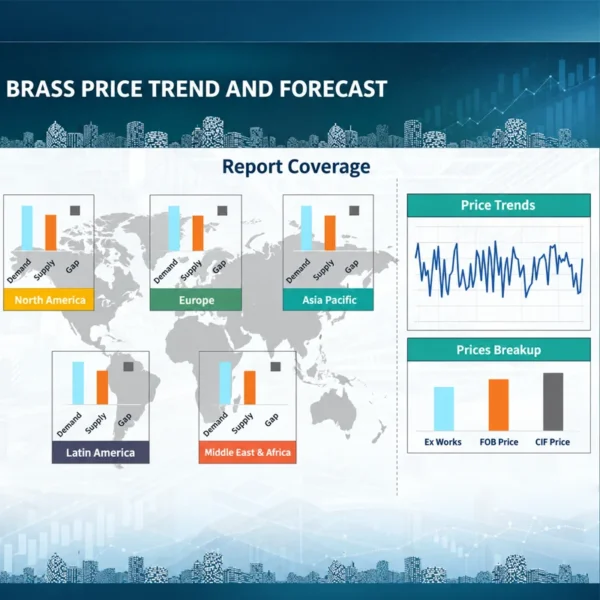
Global brass prices rose from roughly USD 6.41 per kilogram in Q1 2025 to USD 8.08 per kilogram in Q1 2026, a cumulative increase of about 26%, according to Expert Market Research. Since brass typically accounts for a significant share of a faucet’s bill of materials, a 26% swing in alloy cost alone can move a unit quote meaningfully before machining, finishing, or assembly are even factored in.
Material hardness and internal waterway complexity determine CNC cycle time and tool wear. A faucet body with intricate internal geometry for precise flow control costs more to machine than a simple straight-bore design, independent of the raw material price — a distinction that a single unit price rarely communicates on its own.
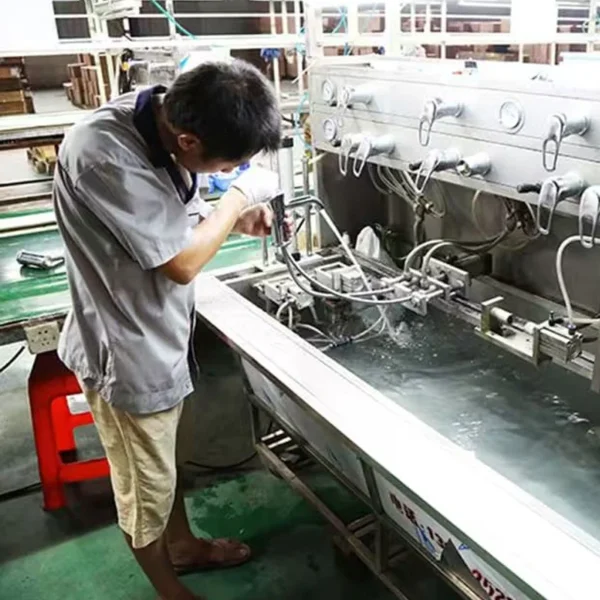
Cycle-life testing, pressure and leak validation, and material composition verification are recurring costs built into a compliant faucet program, not one-time expenses absorbed at the factory’s discretion. Brands that don’t ask how these costs are allocated across a purchase order often can’t tell whether a lower quote reflects a genuine efficiency or a shortcut in testing frequency.
European brass prices rose 34.13% between Q1 2025 and Q1 2026, outpacing the global average of 26.05%, driven by high energy costs and compliance premiums under the EU Emissions Trading System, according to Expert Market Research. This regional divergence means a brand sourcing the same faucet design for European versus North American distribution may face different cost pressures depending on where the alloy is priced and sourced.
Since April 6, 2026, tariffs apply to the full customs value of a covered product rather than only the copper-content portion — a change from the prior methodology that allowed the metal and non-metal value of a derivative product to be split for duty calculation, according to White & Case. For a brass faucet imported into the US, this shift changes how landed cost should be modeled at the SKU level, not just at the raw-material level.
Because the faucet market’s projected 8.0% CAGR through 2030 is a demand-side figure, according to Grand View Research, it doesn’t by itself account for the cost-side pressure buyers are seeing. Treating rising faucet quotes as simply a function of demand, rather than separately tracking material and tariff cost, can lead brands to misdiagnose where their actual cost increases are coming from.
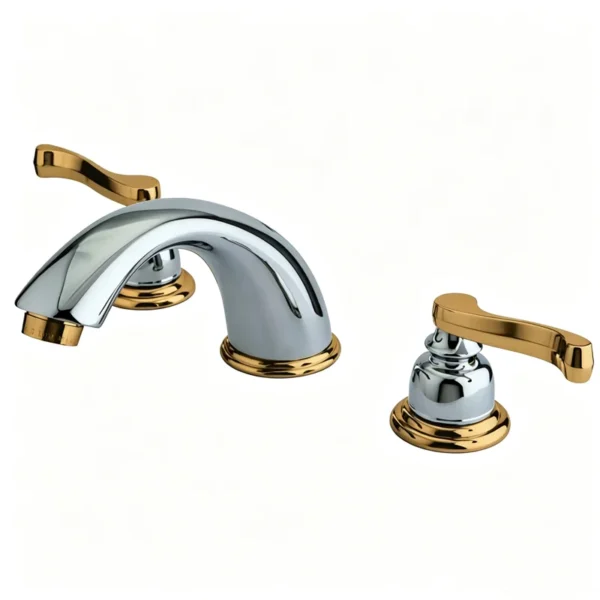
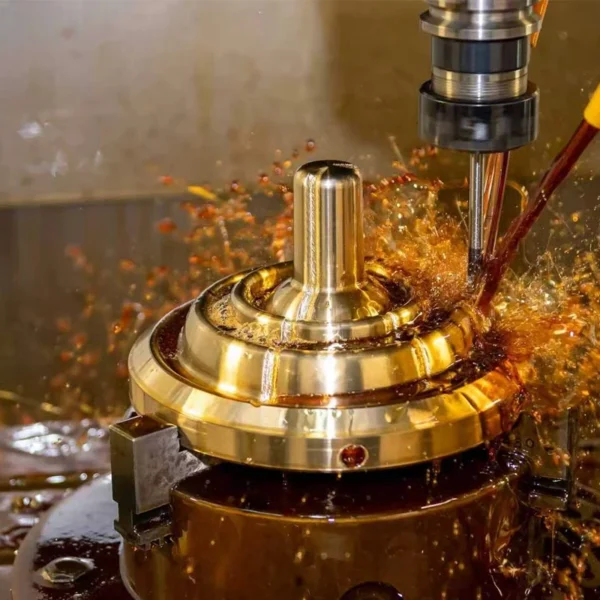
Over the past years, our engineering team has reviewed faucet development requirements from global bathroom brands, distributors, and project buyers, and one recurring sourcing challenge is that cartridge performance is often evaluated after the faucet body, finish, and appearance have already been approved.
In many product reviews, buyers initially focus on visible specifications such as brass construction, surface finish, handle design, or packaging requirements. However, when warranty feedback is analyzed, recurring issues such as handle stiffness, inconsistent temperature control, dripping after extended use, or reduced operating smoothness are frequently connected to the cartridge and internal valve mechanism rather than the external faucet structure.
During OEM faucet development projects, JEKARE’s engineering team evaluates cartridge selection as an independent performance factor — including compatibility with the faucet body design, operating cycle requirements, material safety considerations, and target-market testing expectations. Instead of treating the cartridge as a standard purchased component, we coordinate cartridge selection, testing requirements, and production verification together during the product development stage.
This approach helps brands move from simply specifying a faucet appearance to building a more complete product qualification process, where cartridge performance, production consistency, and long-term service reliability are considered before mass production begins.
Ask your supplier to break out raw material cost, machining and finishing cost, and testing/compliance cost as distinct line items — a single bundled unit price makes it impossible to tell which cost driver moved when a quote changes between orders.
Because tariff treatment now depends on the exact HTSUS classification of the finished product, not just its raw material, confirm with your supplier or customs broker which classification and duty rate applies to your specific faucet configuration before finalizing a landed-cost model.
Since zinc alloy handles, brass waterways, and ceramic cartridges each carry different material and process costs, a component-level breakdown lets a buyer identify which part of the design is driving cost — and where a design change might create genuine savings.
Ask explicitly whether NSF/ANSI 61 material testing, cycle-life validation, and pressure/leak testing are included in the quoted unit price or billed separately — this affects both the apparent cost comparison between suppliers and the actual compliance risk of the finished product.
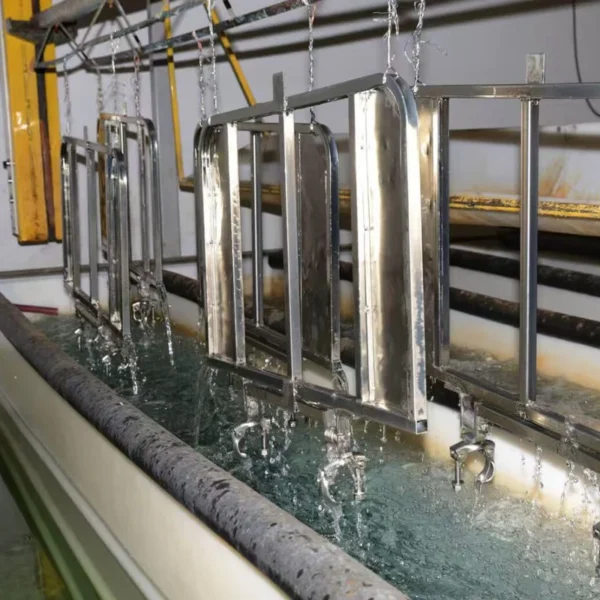
Faucet cost is no longer just a function of what a factory charges — it is a function of where the alloy came from, which market the product is landing in, and how tariff and compliance layers stack on top of manufacturing cost. Brands that model these layers separately, rather than reacting to a single changing unit price, are in a stronger position to negotiate and to explain cost movement to their own retail and hospitality customers.
More broadly, this connects directly to material selection and supplier consolidation decisions further down the sourcing chain: a brand that understands its brass exposure is better positioned to evaluate whether a hybrid material approach, or a single integrated manufacturing partner, reduces its overall cost volatility rather than simply shifting it elsewhere.
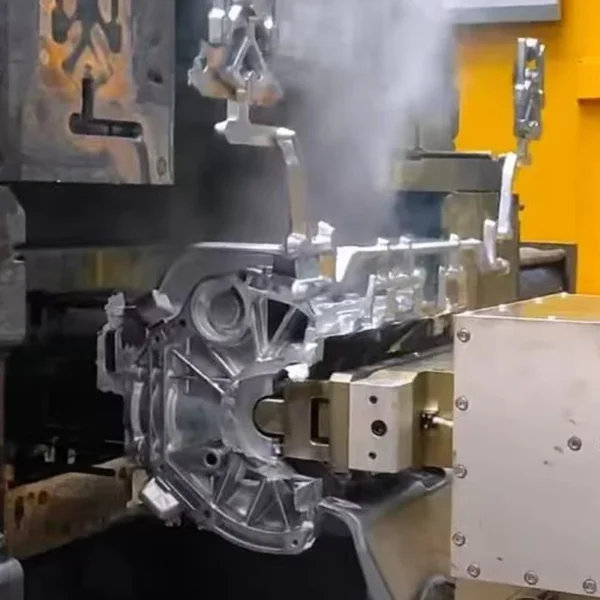
For brands trying to separate genuine cost drivers from opaque pricing, JEKARE’s Custom Brass Bathroom Sink Faucet is engineered around exactly this kind of transparency. The waterway is produced from low-lead brass for corrosion resistance and long-term dimensional stability, with critical machining handled through in-house CNC machining and structural components produced through die casting — giving buyers a documented process basis for each cost component rather than a single opaque figure.
Because surface finishing and final inspection are also handled in-house, brands developing a new faucet program can request a component-level cost breakdown as part of the OEM/ODM project process, rather than accepting a bundled unit price with no visibility into where tariff, material, or testing cost actually sits. This approach is also available to brands building private-label programs where cost documentation needs to be shared credibly with retail or hospitality customers further down the chain.
“Why are bathroom faucets so expensive?” doesn’t have a single answer for a B2B buyer — brass prices rose roughly 26% globally between Q1 2025 and Q1 2026, Section 232 tariffs now apply to the full customs value of most copper-based components, and compliance testing adds a cost layer that rarely shows up as a separate line on a standard quote. The practical takeaway is to stop evaluating faucet cost as a single number and start requesting a breakdown by material, process, tariff classification, and compliance testing — because each of these moves independently, and a brand that can’t separate them can’t tell whether a price increase reflects a genuine market shift or an unexplained margin change.
Much of the recent increase traces to external cost inputs — brass alloy pricing and Section 232 tariff changes — that apply regardless of a specific factory’s process efficiency, which is why two suppliers with similar manufacturing quality can still show different price movements based on where and how they source raw material.
Not necessarily, but a quote significantly below the current brass and tariff cost baseline should prompt questions about whether testing frequency, material grade, or documentation has been reduced to reach that price — a component-level breakdown is the most reliable way to check.
There’s no universal interval, but given that brass prices moved over 25% in a single year, brands with active OEM programs benefit from reviewing cost assumptions at least twice a year, or whenever a tariff classification or trade policy change is announced for their target market.
Not entirely — stainless steel has its own commodity pricing dynamics and is subject to its own Section 232 tariff treatment as a covered metal, so it should be evaluated on its own cost and compliance basis rather than assumed to be a volatility-free alternative.
It’s common for suppliers not to volunteer this breakdown, but it’s a reasonable request for any OEM buyer managing cost risk, and a supplier’s willingness to provide it is itself a useful signal about how transparently they manage their own cost structure.
Ivy is an OEM Costing & Sourcing Engineer at JEKARE with over 15 years of experience in bathroom fixture cost analysis and manufacturing coordination. She specializes in bill-of-materials breakdowns, tariff classification review, and cost modeling for brass and stainless steel product lines. With extensive experience supporting global bathroom brands and distributors through supplier evaluation, Ivy focuses on helping buyers separate genuine cost drivers from unexplained pricing so sourcing decisions are based on documented data rather than a single quoted number.
1. Grand View Research — Faucet Market Size, Share & Trends Analysis Report
https://www.grandviewresearch.com/industry-analysis/faucet-market
2. Expert Market Research — Brass Price Trend 2026, Forecast, Chart, News & Index
https://www.expertmarketresearch.com/price-forecast/brass-price-trends
3. White & Case LLP — United States Modifies Steel, Aluminum, and Copper Section 232 Tariffs
https://www.whitecase.com/insight-alert/united-states-modifies-steel-aluminum-and-copper-section-232-tariffs
✔ 20+ Years of OEM & ODM Manufacturing Experience
✔ Component-Level Cost and Process Documentation
✔ In-House CNC Machining, Die Casting, and Surface Finishing
✔ Low-Lead Brass and Stainless Steel Material Options
✔ Flexible Support for Private-Label and Hybrid Sourcing Programs
✔ Reliable Manufacturing Partner for Global Distributors and Brands
Whether you need a transparent cost breakdown for an existing faucet program or are developing a new one, JEKARE provides engineering-driven OEM manufacturing support from concept development to mass production.Contact our team to review your next faucet sourcing quote.