Call us: +86-18965139230 | Mail to us: info@jekare.com

A kitchen faucet is no longer just a plumbing fixture—it has become a central element of modern kitchen functionality, hygiene, and interior design. Whether consumers prefer a minimalist black kitchen tap, a premium brass kitchen faucet, or a multifunctional kitchen faucet with sprayer, buyers now expect products that combine durability, smooth operation, water efficiency, and premium aesthetics.
Behind every reliable faucet is a highly controlled manufacturing process involving engineering design, precision machining, advanced surface treatment, rigorous testing, and scalable assembly systems. For global brands, wholesalers, project contractors, and importers, understanding how a kitchen faucet is manufactured is essential for evaluating supplier capability and long-term product quality.
Across global OEM bathroom and kitchen manufacturing, companies like Jekare continue investing in advanced tooling, automated machining, and strict quality assurance systems to support the growing demand for customized kitchen faucet solutions. From luxury residential kitchens to large hospitality projects, manufacturing precision directly impacts faucet performance, durability, and user experience.
Let’s explore how modern kitchen faucets are designed, engineered, manufactured, tested, and customized for today’s global markets.
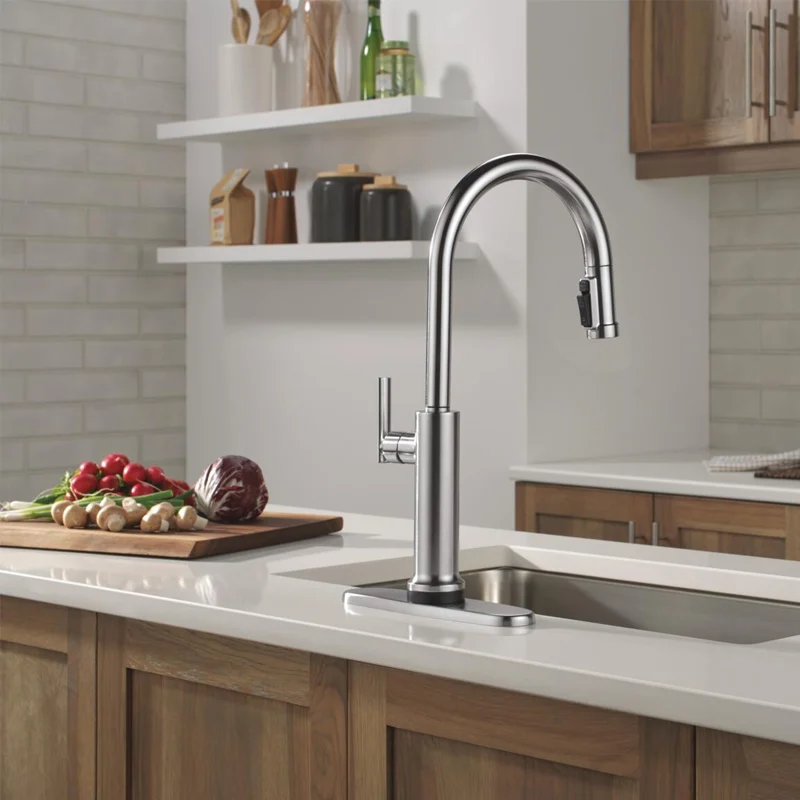
The production of a high-quality kitchen faucet involves multiple integrated manufacturing stages that combine engineering, metallurgy, surface finishing, and precision assembly.
Every successful kitchen faucet begins with product design and engineering development.
Modern faucet design focuses on:
Using CAD software and hydraulic simulation systems, engineers create digital models to test water pathways, pressure balance, and structural integrity before tooling begins.
For customized OEM projects, prototype samples are developed and tested repeatedly to ensure smooth user interaction and installation compatibility.
Products such as a kitchen faucet with sprayer require additional engineering to optimize hose movement, spray switching mechanisms, and retractable counterweight systems.
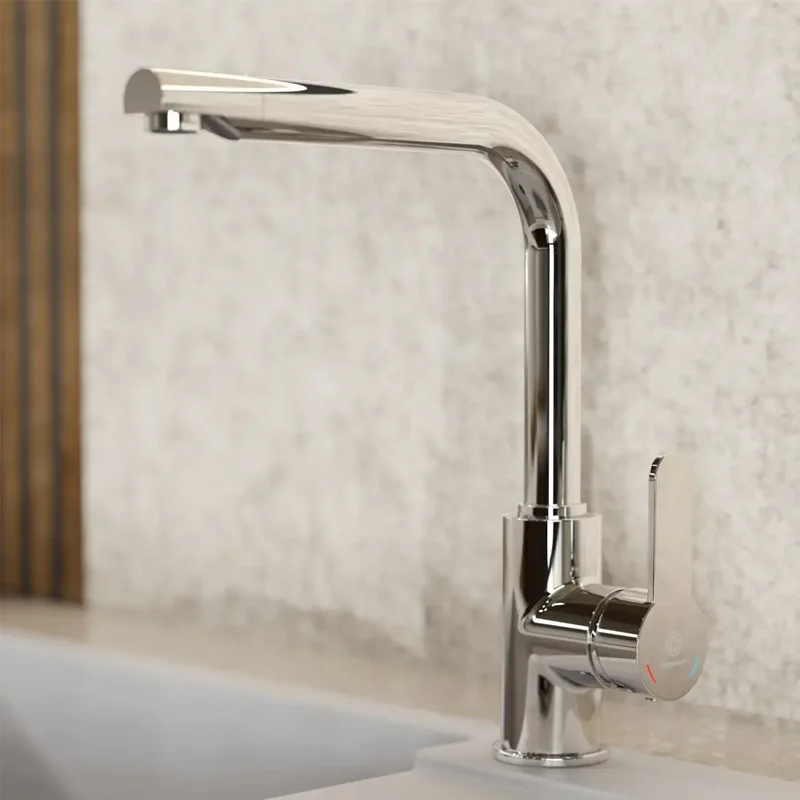
Material quality is one of the most important factors affecting faucet lifespan and performance.
Solid brass remains one of the most widely used materials for premium faucets.
Advantages include:
A high-quality brass kitchen faucet offers excellent resistance to mineral buildup and daily wear.
304 and 316 stainless steel are increasingly popular for modern minimalist kitchens.
Benefits include:
Modern faucets use ceramic disc cartridges for:
High-grade ceramic cartridges can withstand hundreds of thousands of operation cycles.
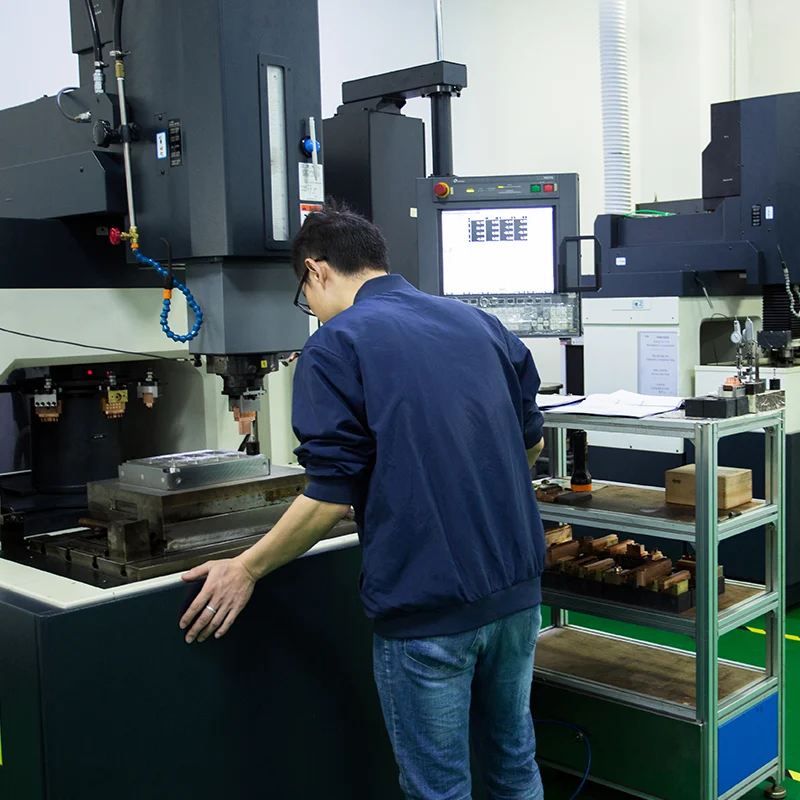
Surface finishes improve both aesthetics and durability.
Popular finishes include:
A premium brushed brass kitchen tap requires highly controlled PVD or electroplating technology to maintain consistent color and wear resistance.
High-performance engineering plastics are used in:
These components reduce weight while maintaining functionality.
Faucet bodies and spouts are manufactured using:
Precision casting creates complex internal water channels while maintaining structural stability.
For pull-out systems, internal passages must support smooth hose movement without friction or leakage.
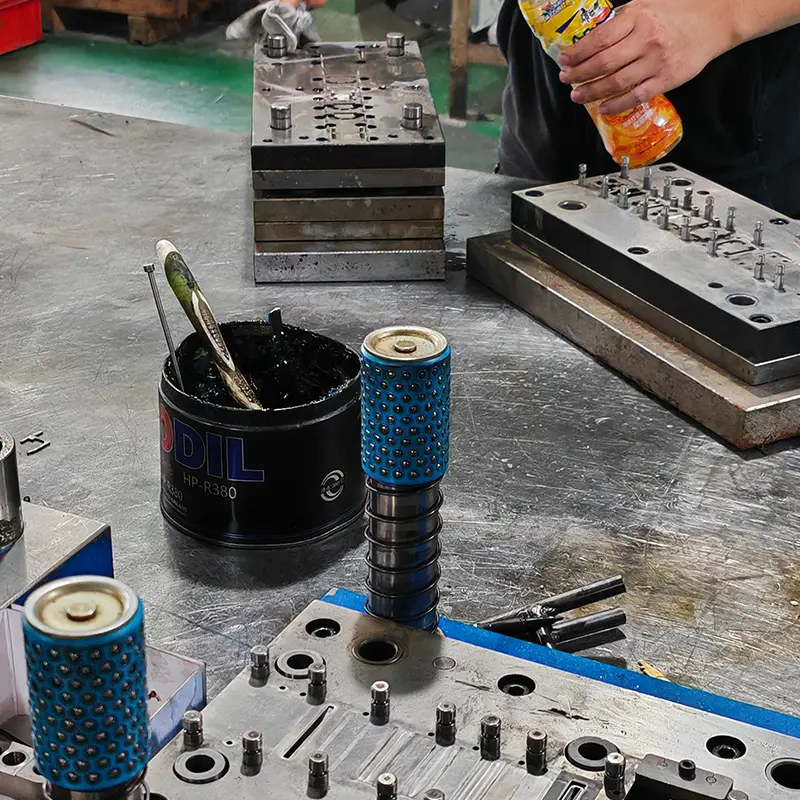
Before finishing, faucet bodies undergo:
This stage is critical because even minor surface defects become highly visible after plating or PVD coating.
Inspection teams verify:
Premium products such as black kitchen tap systems require particularly strict surface quality control.
Surface treatment protects faucets against:
Traditional chrome plating remains widely used for cost-effective durability.
PVD technology offers:
PVD is commonly used for premium brushed brass kitchen tap and matte black finishes.
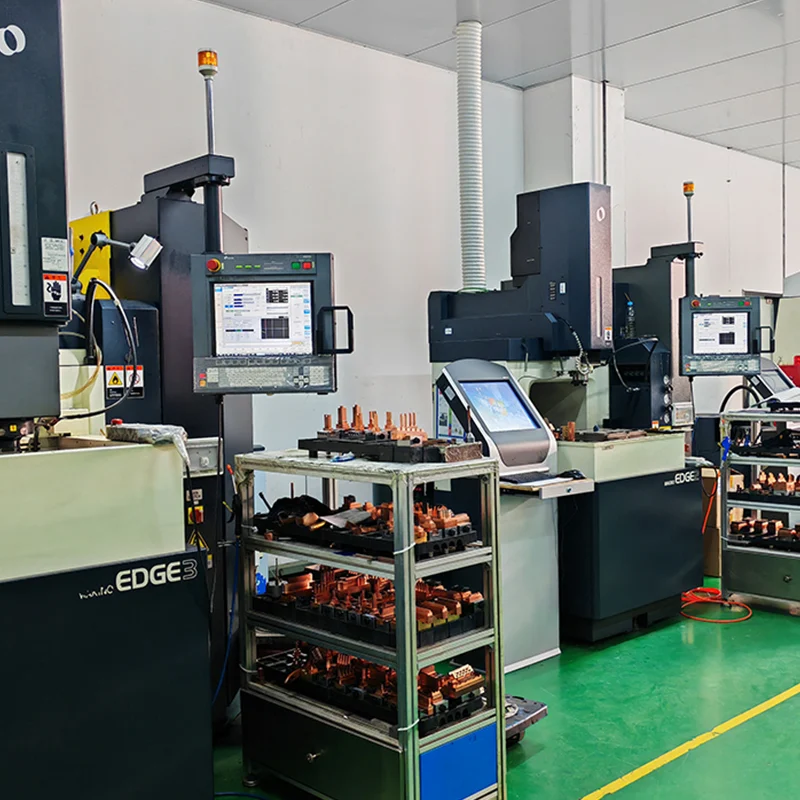
After finishing, faucet components move to assembly lines.
Assembly includes:
For a kitchen faucet with sprayer, hose tension and pull-back balance are carefully adjusted to ensure smooth operation.
Many factories combine automated assembly with manual quality inspection for improved consistency.
Every complete faucet undergoes functional testing before packaging.
Testing procedures include:
For touchless systems, electrical testing is also required.
Professional manufacturers like Jekare often test products above standard operating pressures to ensure long-term reliability.
Final quality control verifies:
Packaging systems are designed to protect products during international transportation.
OEM customers often request:
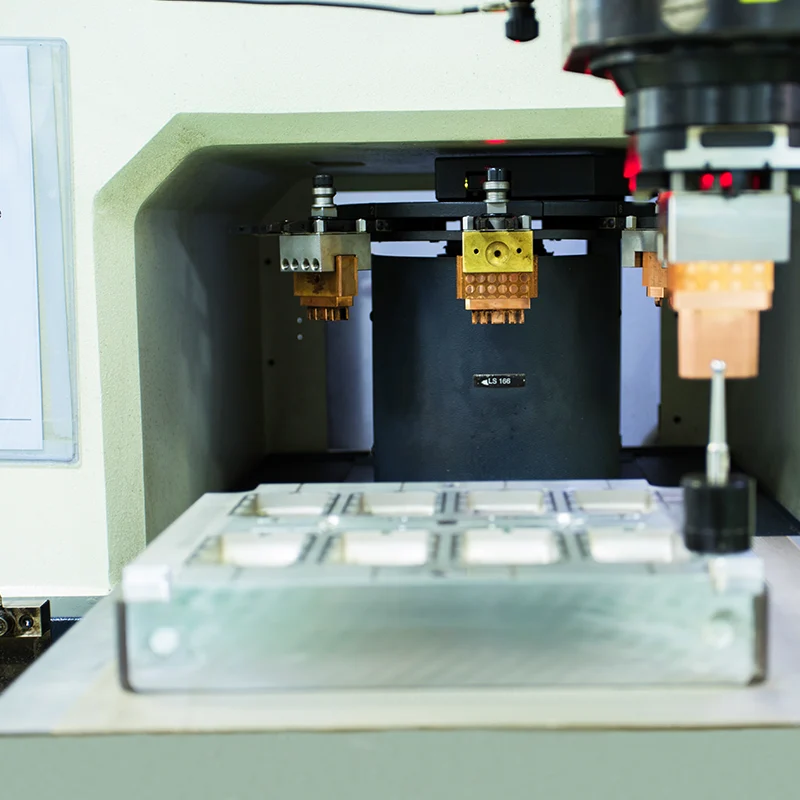
Modern kitchen faucet manufacturing increasingly relies on advanced automation and intelligent engineering systems.
CNC machining ensures:
This is especially important for premium wall mount kitchen faucet systems.
Touchless faucets integrate:
These systems improve hygiene and reduce water waste.
Modern aerators optimize flow while reducing consumption.
Benefits include:
Robotic polishing, automated testing, and precision assembly lines improve production consistency for large-volume OEM orders.
Emerging technologies include:
These features are becoming increasingly common in premium kitchen faucet markets.
Modern faucet manufacturers are increasingly focused on environmental responsibility.
Sustainable practices include:
Professional factories like Jekare continuously optimize manufacturing efficiency to reduce waste and improve environmental performance.
Comprehensive quality assurance includes:
These procedures ensure long-term reliability in residential and commercial environments.
For buyers seeking high-quality and customized kitchen faucet solutions, Jekare provides professional OEM and ODM manufacturing services tailored to global kitchen and sanitary ware markets. We specialize in developing customized faucet systems including our recommended product, the Custom Kitchen Tap With Pull Out Spray, engineered for smooth hose operation, durable water control, and modern kitchen functionality. Our factory integrates advanced tooling development, precision CNC machining, automated polishing systems, high-performance PVD finishing, and strict leak-testing processes to ensure stable mass production and long-term product reliability. From a professional B2B manufacturing perspective, choosing Jekare provides key advantages including customized dimensions, flexible finish development such as black kitchen tap and brushed brass kitchen tap options, optimized spray functionality, scalable production capacity, and one-stop OEM support. These solutions help distributors, kitchen brands, and project contractors improve product differentiation, installation compatibility, and market competitiveness worldwide.
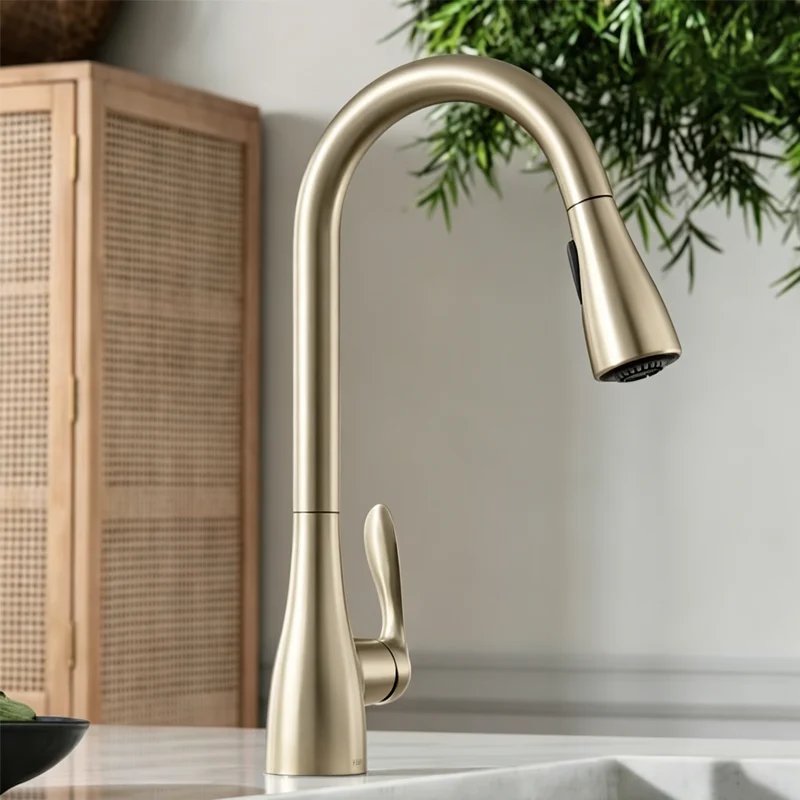
Manufacturing a high-quality kitchen faucet requires far more than simple assembly. From engineering design and material selection to precision machining, advanced surface treatment, rigorous testing, and customized packaging, every stage directly affects long-term durability and user experience. Whether developing a premium brass kitchen faucet, a multifunctional kitchen faucet with sprayer, or a modern wall mount kitchen faucet, choosing an experienced OEM manufacturing partner is critical for ensuring product quality and stable supply capability. By working with professional manufacturers like Jekare, global buyers gain access to advanced engineering support, flexible customization capability, and scalable production systems designed to meet the evolving demands of modern kitchen markets. As consumer expectations continue rising worldwide, what features would define your ideal kitchen faucet solution?
Brass and stainless steel are generally considered the best materials because of their durability, corrosion resistance, and long service life.
Yes. High-quality pull-out faucets use reinforced hoses, ceramic cartridges, and precision counterweight systems for long-term reliability.
PVD (Physical Vapor Deposition) is an advanced finishing technology that improves scratch resistance, corrosion resistance, and color durability.
Yes. We provide OEM/ODM customization including dimensions, finishes, spray functions, branding, and packaging solutions.
Kitchen faucets undergo air pressure testing, water leak testing, flow verification, finish inspection, and functional performance testing before packaging.
This is Emily Johnson, Kitchen Faucet Engineering Lead at JEKARE. I focus on high-frequency-use faucet systems, including pull-out sprayers, swivel spouts, and ergonomic control design. My engineering ensures long-term durability, anti-leak performance, and smooth kitchen usability.
We build kitchen faucets designed for both residential and commercial performance demands.Looking for competitive kitchen faucet solutions?Contact us to start your OEM/ODM project.