Call us: +86-18965139230 | Mail to us: info@jekare.com

When selecting a bathtub faucet, most buyers focus on appearance first—but in professional bathroom engineering, material selection is what determines performance, durability, and long-term user satisfaction. Whether it’s a tub spout, tub faucet with hand shower, or full tub and shower faucets system, the internal material composition directly affects corrosion resistance, water flow stability, and maintenance cost.
For OEM buyers, distributors, and project contractors, understanding faucet materials is essential before placing bulk orders or developing private-label product lines. In modern manufacturing environments like Jekare, material selection is not just a design choice—it is a production strategy that defines product lifespan, market positioning, and brand value.
Choosing the right material for bath wall taps or a wall mounted tub faucet requires evaluating both functional and commercial factors.
Material cost directly affects final product pricing. Brass and stainless steel are premium, while zinc and plastic offer cost-efficient alternatives for entry-level markets.
Heavier materials like brass indicate durability and quality perception. Lightweight materials are easier to install but may reduce perceived value.
Corrosion resistance and structural strength determine how long a faucet will last under constant water exposure.
Smooth surfaces such as chrome and PVD coatings reduce cleaning effort and prevent mineral buildup.
Lightweight alloys and standardized connectors simplify installation, especially for retrofit tub spout replacements.
Metal thickness and composition influence how quickly a faucet adapts to water temperature changes, improving user comfort.
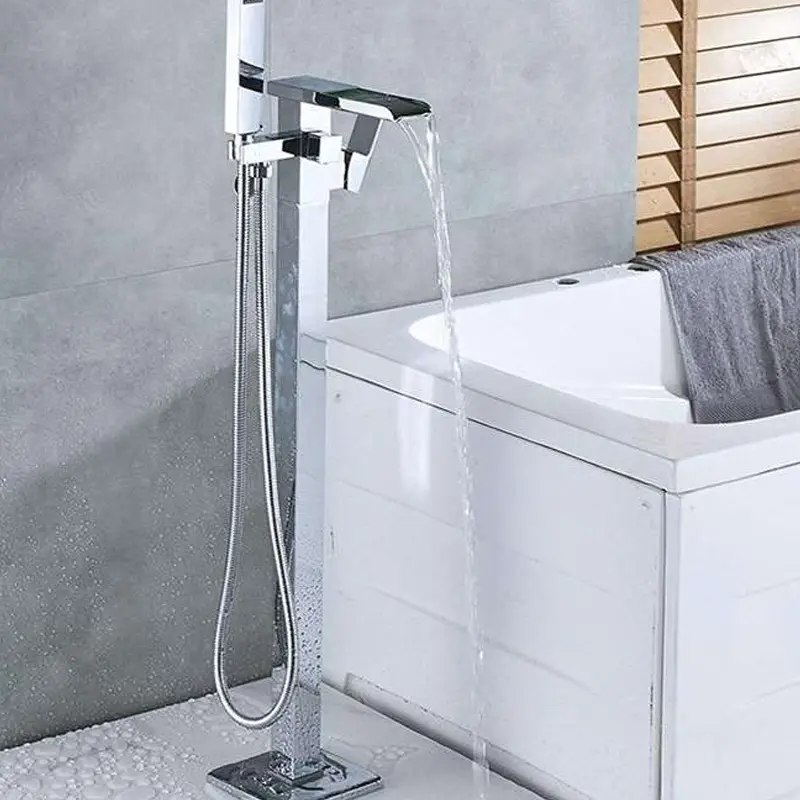
The material of a bathtub faucet is not just an aesthetic decision—it directly impacts performance stability, leakage resistance, and long-term maintenance cost. For commercial projects such as hotels, residential developments, and retail distribution, selecting the correct material can significantly reduce after-sales issues and warranty claims.
A well-engineered tub and shower faucets system ensures stable water mixing, smooth diverter function, and consistent durability under frequent use conditions.
Brass remains the industry benchmark for high-performance bathtub faucets, especially in premium wall mounted tub faucet systems.
Stainless steel is widely used in contemporary bathroom designs due to its clean appearance and durability.
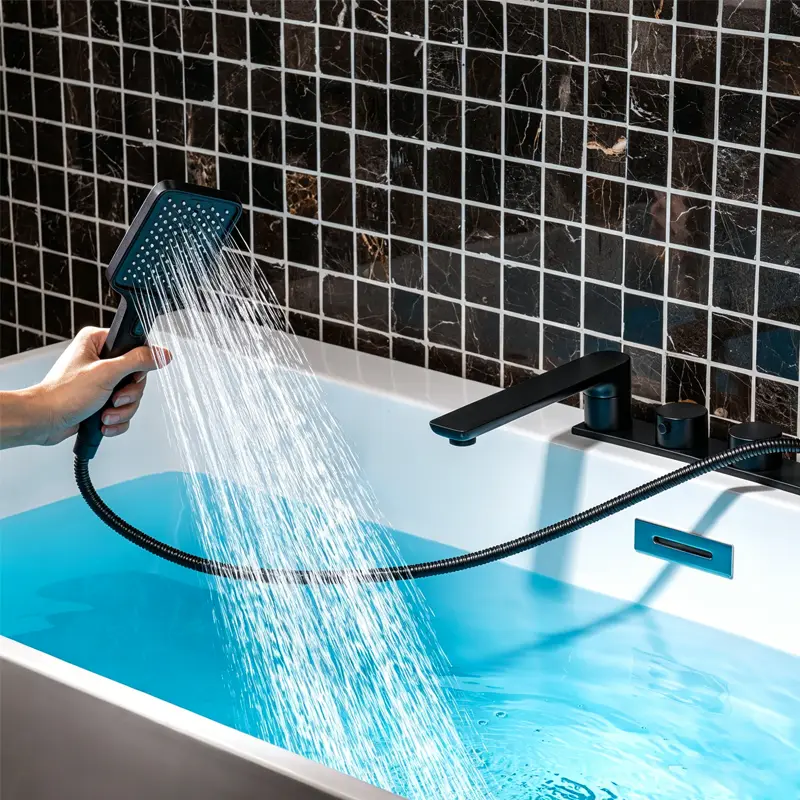
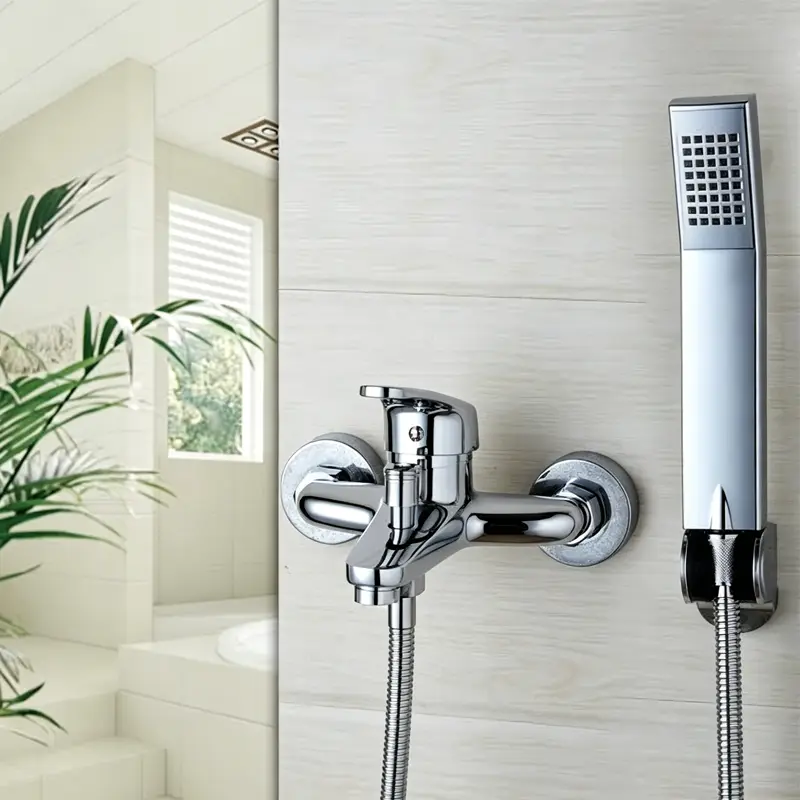
Chrome plating is one of the most common finishes in global faucet production.
Zinc alloys are widely used in entry-level bathroom fixtures.
Engineering plastics are used in specific low-cost or temporary installations.
Copper faucets are often used in designer bathrooms and boutique hotels.
Matte black finishes are increasingly popular in modern bathroom design.
Gold finishes are typically used in luxury hospitality and high-end residential projects.
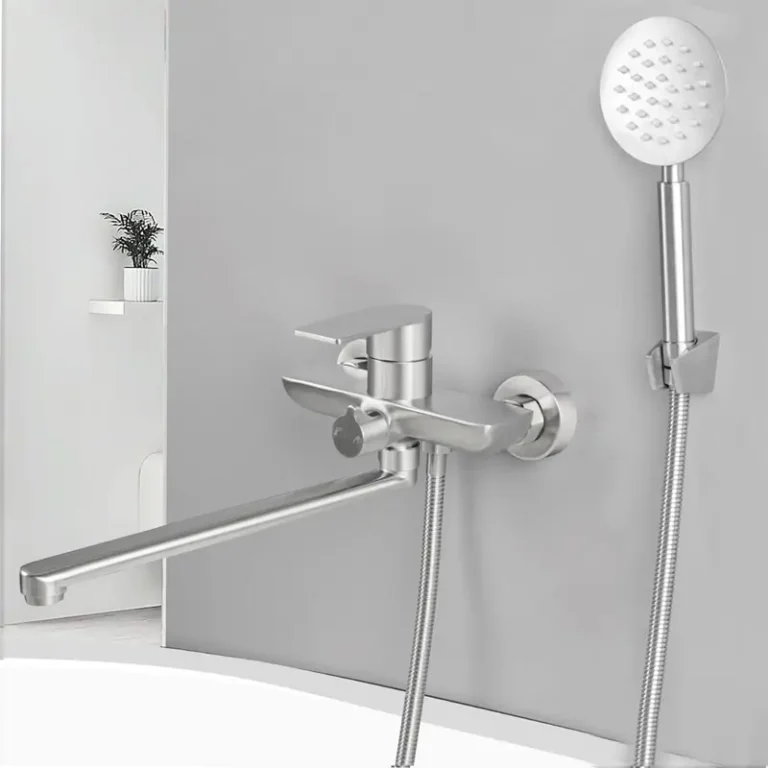
Nickel offers a soft, brushed appearance with strong durability.
Selecting the right material depends on application scenario:
For OEM buyers developing tub spout or full tub and shower faucets product lines, material consistency is critical for maintaining brand reliability across markets.
For global buyers seeking reliable OEM/ODM manufacturing, Jekare provides end-to-end bathtub faucet production covering design engineering, mold development, precision casting, surface finishing, and full assembly testing. If you are planning to develop a high-performance product line, our recommended solution is the Brass Bathtub Faucet With Hand Shower, designed for durability, smooth diverter control, and long-term commercial use. The advantage of working with our factory lies in our integrated production system, advanced CNC tooling, strict quality inspection, and flexible customization capability for different markets. We not only manufacture tub faucet with hand shower systems but also support customized finishes, structural adjustments, and packaging solutions, allowing brands to create differentiated bath wall taps, wall mounted tub faucet, and full bathroom collections with stable quality and scalable output.
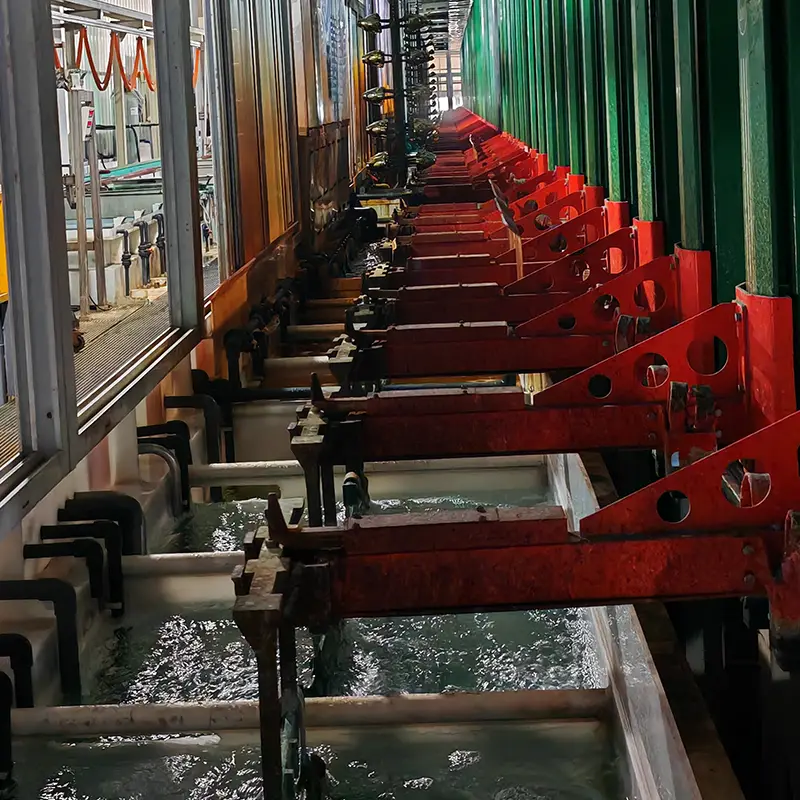
Bathtub faucet materials determine far more than appearance—they define durability, user experience, and product lifecycle cost. Whether selecting brass, stainless steel, zinc, or premium finishes, each material serves a specific market need. For distributors and project buyers, choosing the right combination of design and material ensures better product performance and stronger customer satisfaction.
If you were developing a new bathtub faucet line today, which material would best fit your target market—durability, affordability, or luxury positioning?
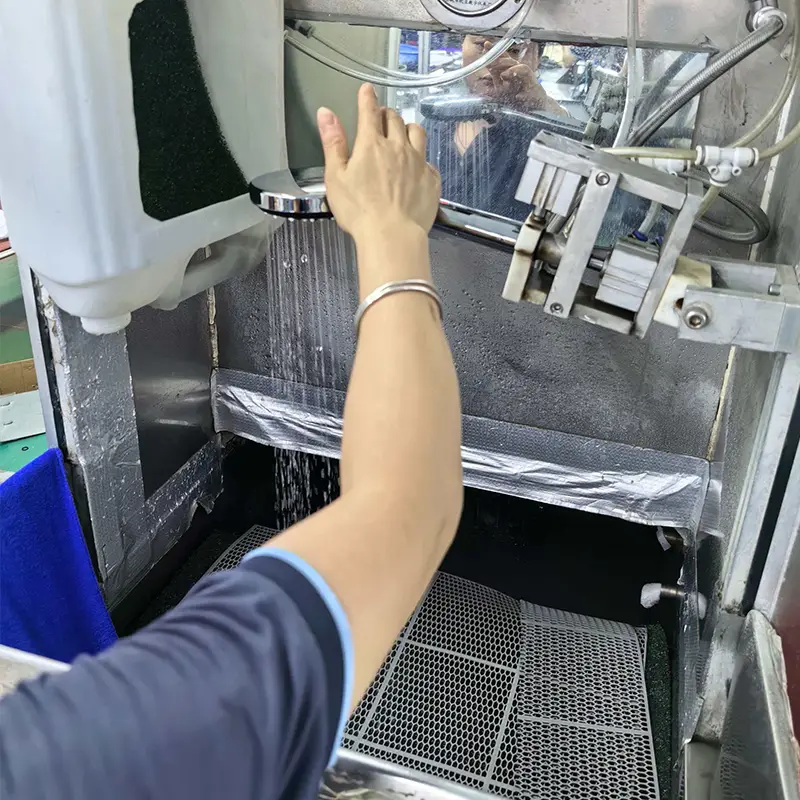
Brass is widely considered the most durable and reliable material for long-term use.
Stainless steel offers modern aesthetics and corrosion resistance, while brass provides stronger structural durability.
No, materials vary from brass to zinc and plastic depending on quality level and price range.
High-quality brass models can last over 10 years with proper maintenance.
Yes, Jekare provides full OEM/ODM customization including materials, finishes, structure, and packaging.
This is Ryan Collins, Senior Bath Faucet Engineer at JEKARE. I specialize in bathtub faucet systems, including wall-mounted and deck-mounted structures, diverter mechanisms, and high-flow water control engineering.
Our designs ensure smooth switching between tub and shower output with reliable sealing and consistent water delivery.Bring precision and durability to your bathtub faucet line.Contact us for customized manufacturing solutions.