Call us: +86-18965139230 | Mail to us: info@jekare.com

Under the FTC’s Made in USA Labeling Rule (16 CFR Part 323), an unqualified “Made in USA” claim requires that a product be “all or virtually all” made in the United States — a standard that requires all significant processing to occur domestically, all or virtually all components to be sourced domestically, and final assembly to take place in the U.S. This is a considerably higher bar than “assembled in the USA” or “designed in the USA,” phrases that don’t carry the same legal weight but are often conflated with a full domestic-manufacturing claim.
Origin-claim enforcement has become notably more active in recent years. According to Holland & Knight, a March 2026 executive order signaled heightened federal enforcement of Made in USA advertising claims, following the FTC’s first-ever civil penalty action under the 2021 Labeling Rule and a record $3.175 million penalty in a separate case involving repeat violations. For B2B buyers, this shifts origin verification from a marketing nicety into a genuine compliance exposure that extends to any brand repeating a supplier’s origin claim without independent substantiation.
Violations of the Made in USA Labeling Rule carry penalties of up to roughly $53,000 per violation, according to Morgan Lewis’s analysis of the rule — a brand that repeats an unverified origin claim from a supplier inherits that liability directly, regardless of who originated the claim.
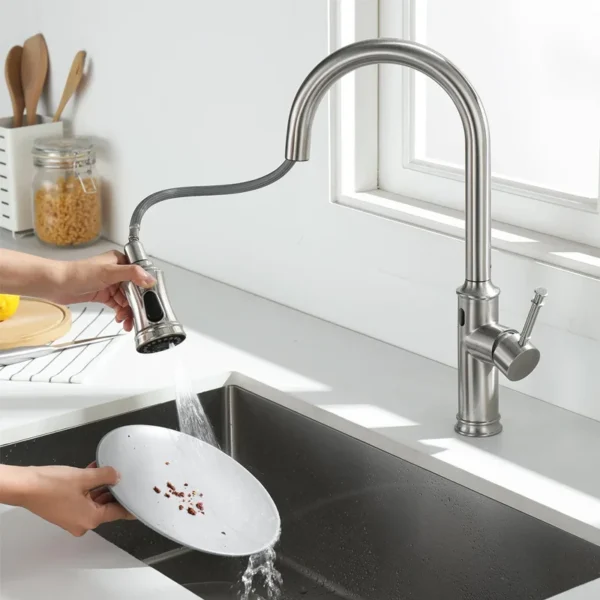
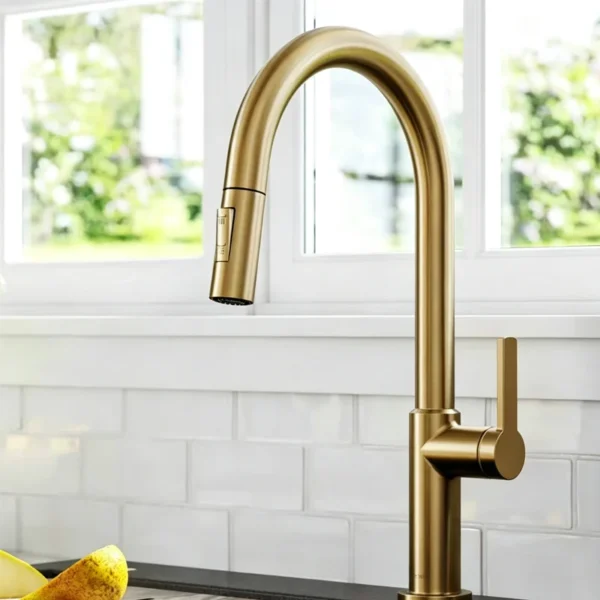
Fully domestic manufacturing, fully imported production, and hybrid models combining domestic assembly with globally sourced components all coexist in the kitchen faucet category. Treating “Made in America” as a simple yes/no brand attribute misses that most products in this category fall somewhere on a spectrum, not at either end.
A brand with genuine domestic manufacturing capability for some products doesn’t necessarily manufacture every SKU the same way — origin can and does vary by specific product line within the same company, which is exactly why the FTC’s standard is applied at the product level, not the brand level.
Per Morgan Lewis’s summary of the rule, three conditions must be met for an unqualified Made in USA claim: all significant processing must occur in the U.S., all or virtually all ingredients or components must be made and sourced in the U.S., and final assembly or processing must occur in the U.S. Each of these is independently verifiable — meaning a buyer can request documentation against each specific condition rather than accepting a general assurance.
The Holland & Knight analysis notes that in July 2025, the FTC sent warning letters to companies advising them to substantiate Made in USA claims or bring them into compliance — a direct, recent signal that origin claims across multiple industries, including home goods and fixtures, are facing more active scrutiny than in prior years.
At the state level, California’s Assembly Bill 535 imposes additional limitations and restrictions on Made in USA claims beyond the federal standard, according to Morgan Lewis — meaning a claim that satisfies the federal “all or virtually all” test isn’t automatically compliant for products sold into California specifically, a distinction relevant to any national kitchen faucet program.
From an OEM manufacturing perspective, bathroom brands are increasingly looking beyond product pricing and requesting clearer visibility into manufacturing processes, component sourcing and quality documentation.
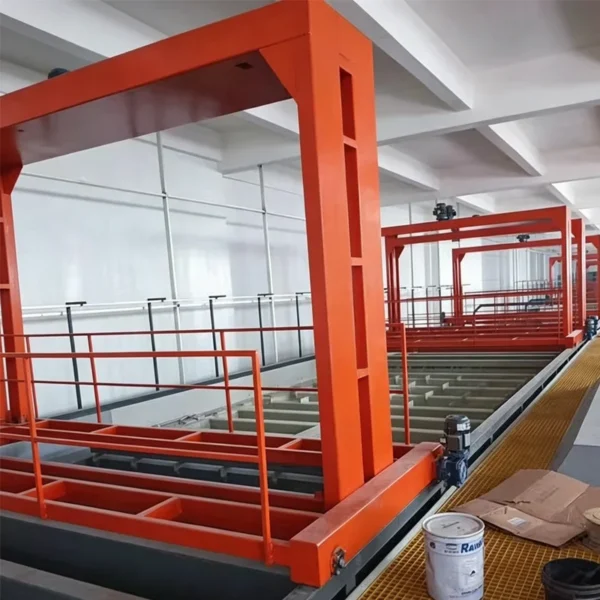
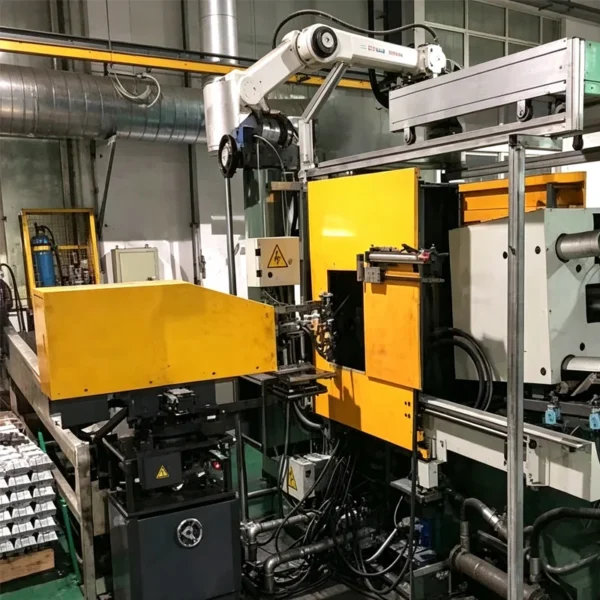
For products supplied across different markets, reliable sourcing depends on understanding the complete production path — from raw materials and component processing to finishing, assembly and validation. A structured manufacturing process allows brands to make more accurate sourcing decisions while supporting their own compliance and market communication requirements.
Request country-of-manufacture documentation for the specific SKU being sourced, not a general statement about the brand or company as a whole — origin can vary meaningfully between product lines within the same supplier relationship.
Ask specifically for evidence addressing each of the three legal conditions — processing location, component sourcing, and final assembly location — rather than accepting a general “Made in USA” assurance without supporting detail.
Clarify internally whether domestic origin is a genuine project requirement (for government contracts, specific retail programs, or brand positioning commitments) or simply a preference that could be satisfied by a well-documented hybrid sourcing model at a more competitive cost and lead time.
If full domestic manufacturing isn’t a hard requirement, evaluate hybrid sourcing — domestic assembly or finishing paired with globally sourced components — as a legitimate cost and lead-time strategy, provided any origin claims made about the resulting product are accurately qualified rather than overstated.
Origin verification connects directly to a brand’s own compliance exposure with its retail and hospitality customers — a brand repeating an unsubstantiated supplier claim faces the same enforcement risk as if it had made the claim independently. As enforcement continues to tighten, brands that build supplier origin documentation into standard sourcing due diligence are better protected than those treating origin claims as an informal marketing detail.
More broadly, hybrid manufacturing — rather than being a lesser alternative to full domestic production — has become a mainstream, defensible sourcing strategy when origin claims are handled accurately and qualified appropriately, giving brands a genuine cost and flexibility advantage without the compliance risk of an unsubstantiated origin claim.
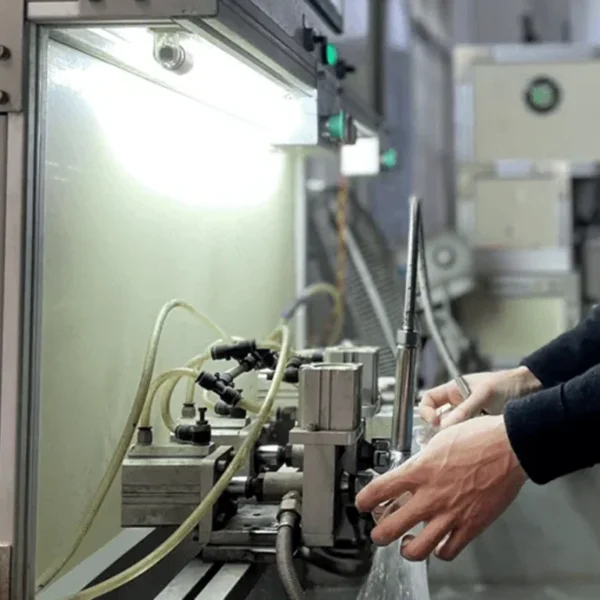
For brands building a hybrid sourcing strategy — domestic branding, assembly, or finishing paired with globally engineered components — JEKARE’s faucet product line is produced through in-house die casting and surface finishing, giving buyers component-level process documentation to support accurately qualified origin claims rather than an unverifiable general assurance.
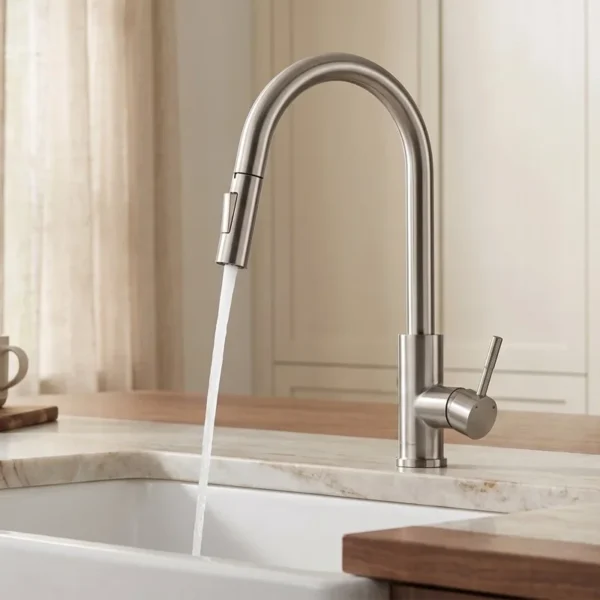
JEKARE’s single-handle hot-and-cold kitchen faucet — built on a solid brass body with a ceramic cartridge for consistent long-term operation — is representative of the kind of globally engineered component many hybrid sourcing programs pair with domestic assembly or finishing. Brands developing this kind of program can coordinate component sourcing, documentation, and finish specification directly through JEKARE’s OEM/ODM project process.
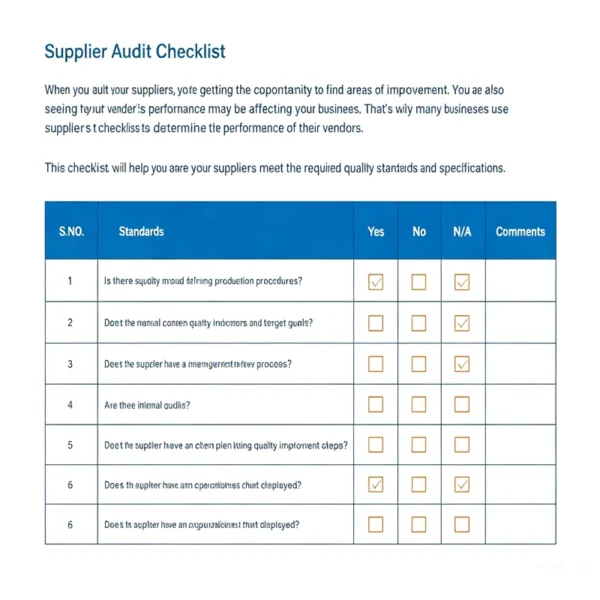
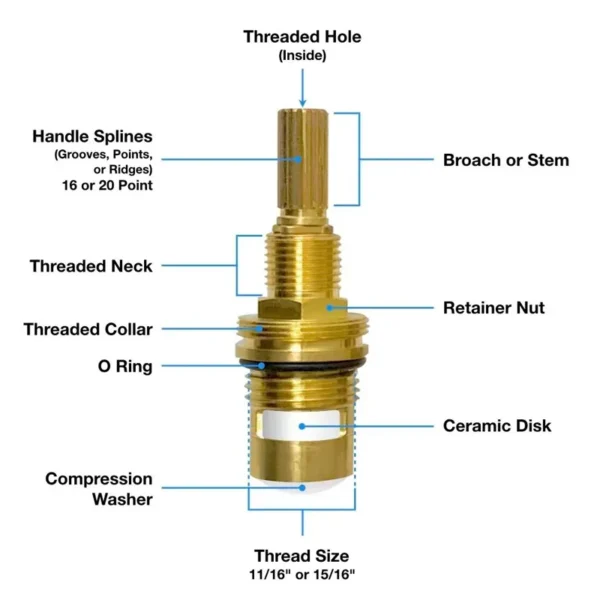
“Are any kitchen faucets made in America” doesn’t have a simple yes-or-no answer — the FTC’s “all or virtually all” standard sets a legally specific, high bar for an unqualified claim, and recent enforcement activity through 2025 and 2026 has made verifying that standard more important than ever. For B2B buyers, the practical takeaway is to request SKU-level origin documentation tied to the FTC’s three-part test, and to treat hybrid sourcing as a legitimate, well-documented strategy rather than either a compliance shortcut or an inferior alternative to full domestic production.
Yes, a qualified claim like “Assembled in USA” carries different, generally less stringent requirements than an unqualified “Made in USA” claim, but the claim must still accurately reflect where meaningful assembly actually occurred and not imply a level of domestic content the product doesn’t have.
Not on its own — the FTC’s standard requires that all significant processing, component sourcing, and final assembly occur in the U.S., so domestic raw material alone doesn’t satisfy the standard if machining, finishing, or assembly occurs elsewhere.
California’s law imposes additional restrictions beyond the federal “all or virtually all” standard, meaning a claim compliant federally may still need additional qualification or restriction to be compliant for products specifically sold into California — this should be confirmed against the current text of the law for any state-specific program.
Not inherently — product quality depends on the specific manufacturing and quality control processes used at each stage, not simply how many stages occur domestically versus globally; a well-documented hybrid program can meet the same quality standards as a fully domestic one.
This is a legal compliance question that should be escalated to qualified counsel promptly, since ongoing sale of inaccurately labeled products compounds regulatory exposure — the FTC has noted companies have an ongoing obligation to review and update substantiation for existing claims.
Mary is a Kitchen Faucet Engineering Lead at JEKARE with over 20 years of experience in faucet development and OEM manufacturing. She specializes in high-frequency-use faucet systems, component engineering, and supply chain documentation support for hybrid sourcing programs. With extensive experience supporting global bathroom and kitchen brands through supplier qualification, Mary focuses on helping buyers build accurate, defensible origin documentation rather than relying on general supplier assurances.
✔ 20+ Years of OEM & ODM Manufacturing Experience
✔ Component-Level Process Documentation to Support Origin Claims
✔ In-House Die Casting and Multi-Finish Surface Finishing
✔ Solid Brass Construction with Ceramic Cartridge Technology
✔ Flexible Support for Hybrid and Private-Label Sourcing Programs
✔ Reliable Manufacturing Partner for Global Distributors and Brands
Whether you’re building a hybrid sourcing program or need component-level documentation to support your own origin claims, JEKARE provides engineering-driven OEM manufacturing support from concept development through mass production.Contact our team to discuss your next bathroom product project.