Call us: +86-18965139230 | Mail to us: info@jekare.com

Choosing the right toilet seat is not simply about matching the size of a toilet bowl. For bathroom brands, distributors, and project buyers, a high-quality toilet seat represents a combination of material engineering, structural stability, user comfort, hygiene performance, and long-term reliability.
With increasing demand for upgraded bathroom solutions, customers are looking beyond basic toilet accessories. Features such as soft-close mechanisms, antibacterial surfaces, quick-release designs, and integrated bidet toilet seat functions are becoming important factors in modern bathroom product development.
From material selection to manufacturing processes, every detail influences the final product performance. This guide explains how to select a durable toilet seat, compare different material options, understand installation requirements, and choose the right manufacturing partner for customized toilet seat projects.
The material of a toilet seat directly affects durability, appearance, comfort, maintenance requirements, and market positioning. Different materials serve different customer segments, from economical residential applications to premium commercial bathroom projects.
Wooden toilet seats are traditionally associated with premium bathroom designs because they provide a warmer appearance and comfortable surface feeling compared with standard plastic options.
Common wooden toilet seat materials include:
Wood textures create a natural and elegant bathroom atmosphere, making them suitable for luxury residential projects.
Unlike metal or ceramic materials, wood does not feel cold during use, improving user comfort.
Manufacturers can apply different coatings, colors, and finishes to match various bathroom styles.
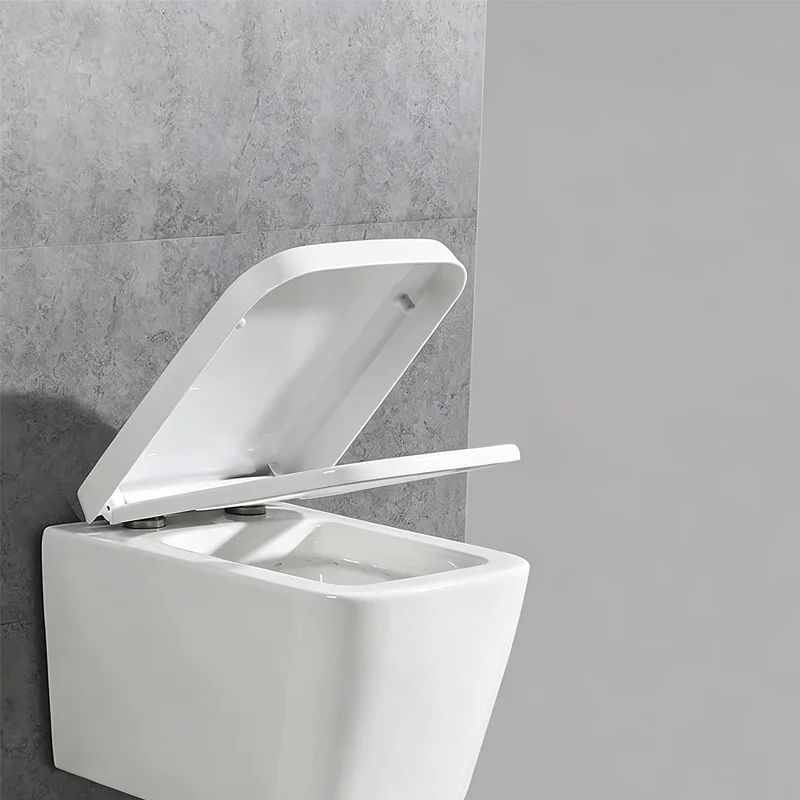
Wood-based toilet seats require proper sealing and moisture protection. Poor-quality coatings may lead to swelling, cracking, or surface damage in humid environments.
For OEM projects, selecting a manufacturer with strong coating technology and quality control is essential to ensure long-term performance.
Plastic toilet seats remain one of the most widely used options in residential, commercial, and hospitality applications due to their cost efficiency, lightweight structure, and design flexibility.
At Jekare, plastic toilet seat production commonly uses BPT (Benzene Polyethylene Terephthalate) and other engineering-grade plastic materials depending on application requirements.
BPT materials offer several advantages:
Compared with ordinary plastics, BPT provides improved mechanical strength and better resistance against cracking or deformation during daily use.
BPT allows manufacturers to create smooth, hygienic surfaces that are easier to clean and maintain.
For toilet seat production, dimensional consistency is critical. BPT materials provide reliable molding performance, helping maintain accurate fitting between the seat, hinges, and toilet bowl.
Plastic toilet seats are easier to transport, install, and manufacture at scale, making them suitable for large-volume OEM programs.
Compared with lower-grade plastic seats, high-quality BPT toilet seats provide better durability, improved appearance retention, and stronger market value.
Ceramic and porcelain materials are known for their excellent hardness and premium appearance. They are commonly found in luxury bathroom environments where design aesthetics are a priority.
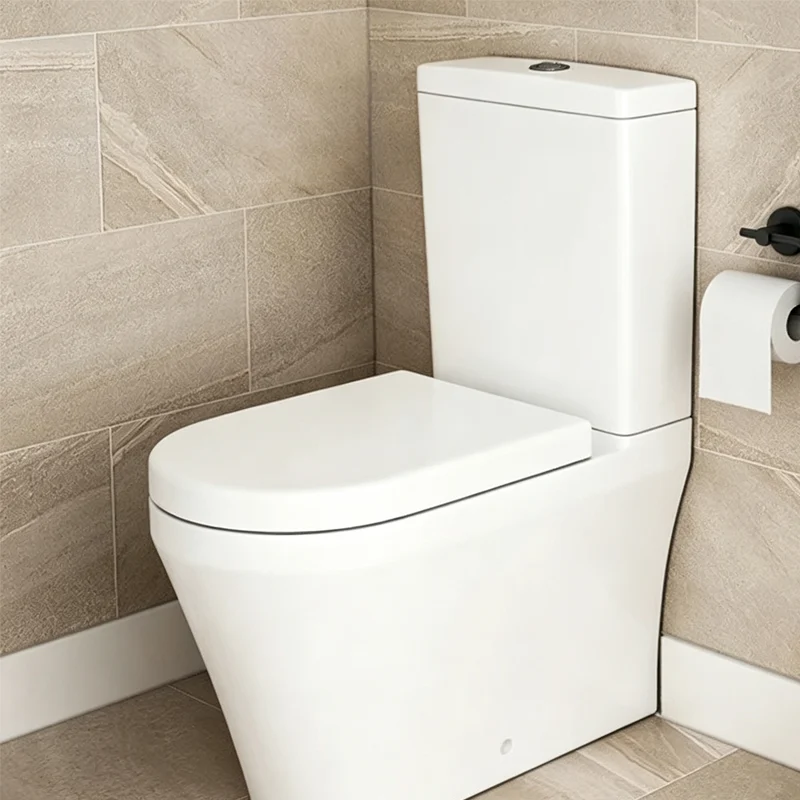
However, ceramic materials are heavier and more fragile compared with plastic alternatives. Manufacturing complexity and transportation costs also make them less common for mass-market toilet seat applications.
Stainless steel toilet seats are mainly used in specialized environments such as:
For most residential and hospitality markets, engineered plastic remains the preferred choice because it balances cost, comfort, and durability.
A well-designed toilet seat should not only look good but also allow simple and reliable installation.
Before installation, prepare:
For OEM manufacturers, installation compatibility is a key product consideration because incorrect mounting systems can increase customer complaints.
Accurate measurement is the foundation of successful toilet seat replacement.
Important measurements include:
Measure from the center of the mounting holes to the front edge of the bowl.
This determines whether you need:
Measure the widest point of the toilet bowl to ensure proper coverage and comfort.
Check the distance between mounting holes because different markets may use different standards.
Common designs include:
Professional manufacturers like Jekare maintain strict dimensional control to ensure compatibility across different toilet brands and market requirements.
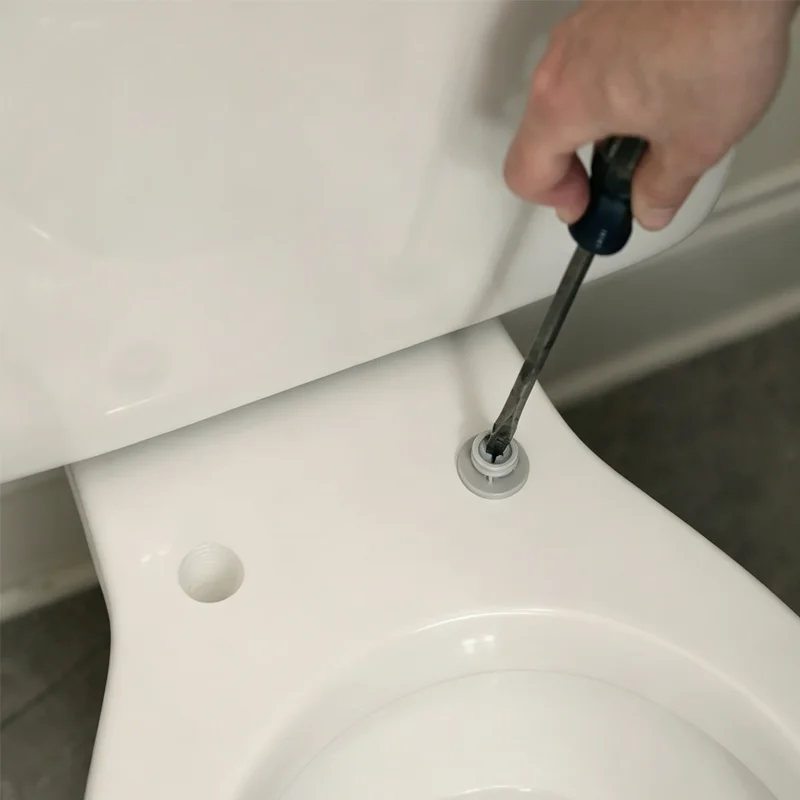
Remove the old mounting bolts and carefully detach the existing seat.
For toilet seat replacement projects, checking the condition of the toilet bowl mounting area is important before installing a new product.
Remove dust, water stains, and residue around the mounting holes.
A clean surface improves stability and prevents movement after installation.
Align the hinges with the mounting holes and tighten screws evenly.
Over-tightening may damage plastic components, while loose installation may cause instability.
Confirm:
A properly installed toilet seat should remain secure without shifting during daily use.
Possible causes:
Solution:
Choose products with reinforced hinge structures and reliable fixing systems.
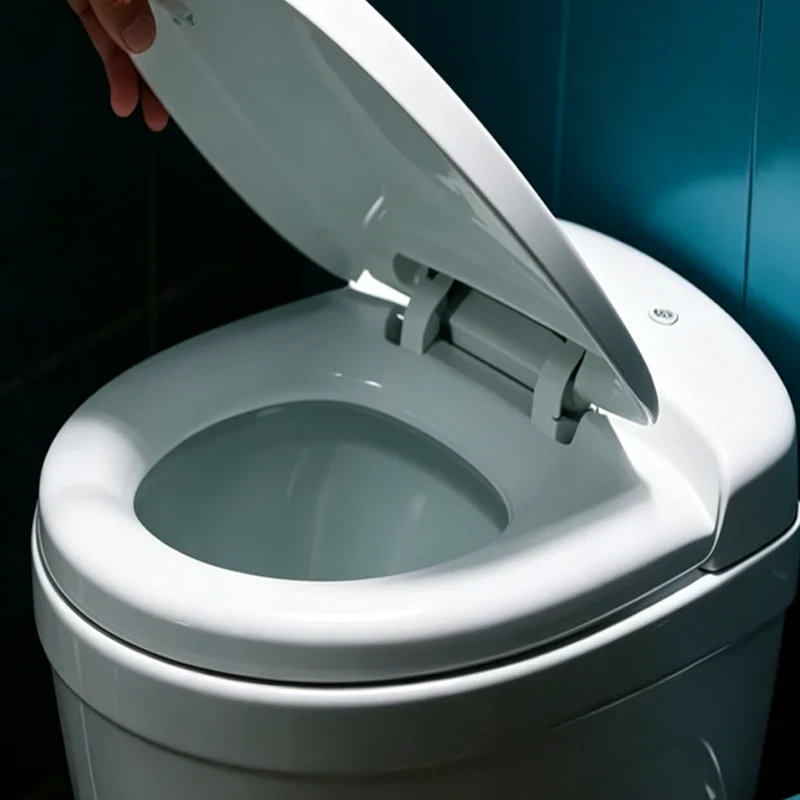
Many installation problems occur because customers select the wrong dimensions.
A professional supplier should provide accurate specifications and technical support before production.
The toilet seat base plays an important role in product stability and user experience.
A quality seat base should match:
For commercial applications, reinforced structures are often required to withstand higher usage frequency.
High-quality toilet seats use reliable hinge systems to prevent:
Advanced designs may include:
These features improve installation efficiency and customer satisfaction.
Modern toilet seats focus increasingly on hygiene.
Popular features include:
A well-designed surface reduces dirt accumulation and simplifies maintenance.
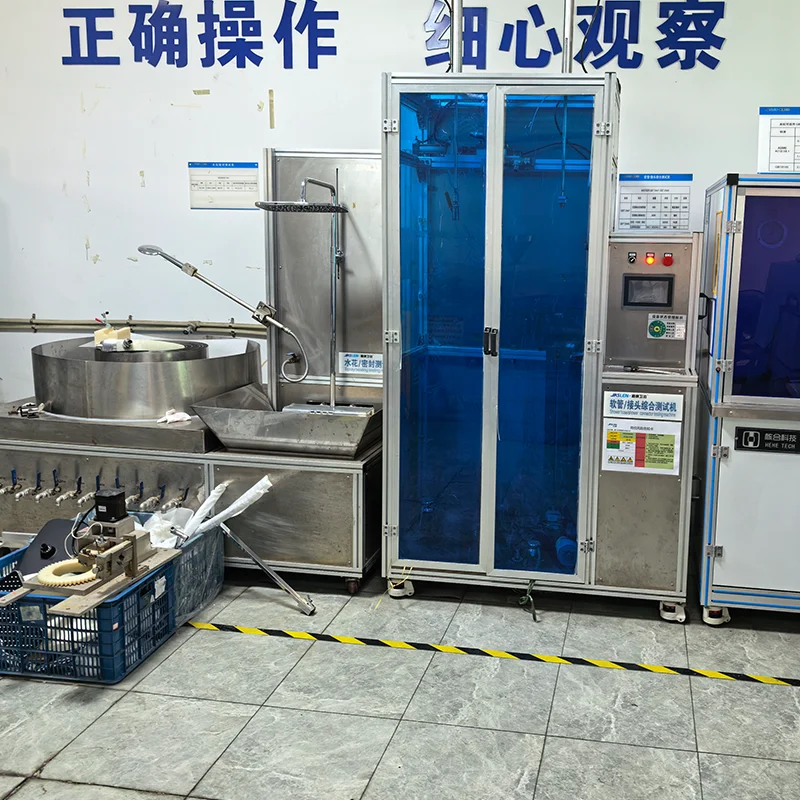
Professional manufacturers evaluate toilet seats through multiple testing processes:
These tests help ensure products maintain performance after repeated daily use.
For brands sourcing internationally, supplier testing capability is an important factor when selecting a manufacturing partner.
Sustainable bathroom products are becoming increasingly important.
Responsible manufacturers focus on:
A durable toilet seat reduces replacement frequency and supports more sustainable bathroom solutions.
Modern toilet seats are evolving beyond basic functionality.
Common upgrades include:
Some premium models combine these functions with bidet technology, creating a more comfortable and hygienic bathroom experience.
Proper cleaning and maintenance directly influence the service life, appearance, and hygiene performance of a toilet seat. Whether it is a standard plastic toilet seat, a premium bidet toilet seat, or a commercial bathroom solution, regular care helps prevent surface degradation and mechanical failures.
For daily maintenance:
Aggressive chemicals may damage surface coatings, reduce gloss retention, and weaken plastic materials over time.
For manufacturers, selecting materials with good chemical resistance and stable surface properties is essential to creating products that maintain appearance throughout their lifecycle.
Choosing the right toilet seat requires more than comparing price. For brands, distributors, and project buyers, product selection should consider materials, application requirements, market positioning, and supplier capability.
Before selecting a toilet seat, consider the following questions:
Different markets require different product features.
For example:
Residential bathroom applications
Focus on:
Commercial projects
Focus on:
Healthcare and senior-friendly bathrooms
Focus on:
Products such as a raised toilet seat are commonly selected for elderly users or people with mobility limitations because they increase seating height and improve accessibility.
Material selection determines:
For most OEM projects, engineering plastics such as BPT provide the best balance between:
Premium markets may require additional features such as:
The lowest price product is not always the most competitive solution.
A low-cost toilet seat may create issues such as:
For brands, product reliability directly affects:
A professional OEM partner helps optimize the balance between manufacturing cost and long-term product value.
Different bathroom environments require different toilet seat solutions.
Recommended features:
Important factors:
Priority features:
Recommended solutions:
A well-designed toilet seat should consider different user requirements.
Recommended features:
A raised toilet seat can improve accessibility and reduce physical strain during sitting and standing.
Important considerations include:
Products should focus on:
Manufacturers should consider both user experience and safety requirements during product development.
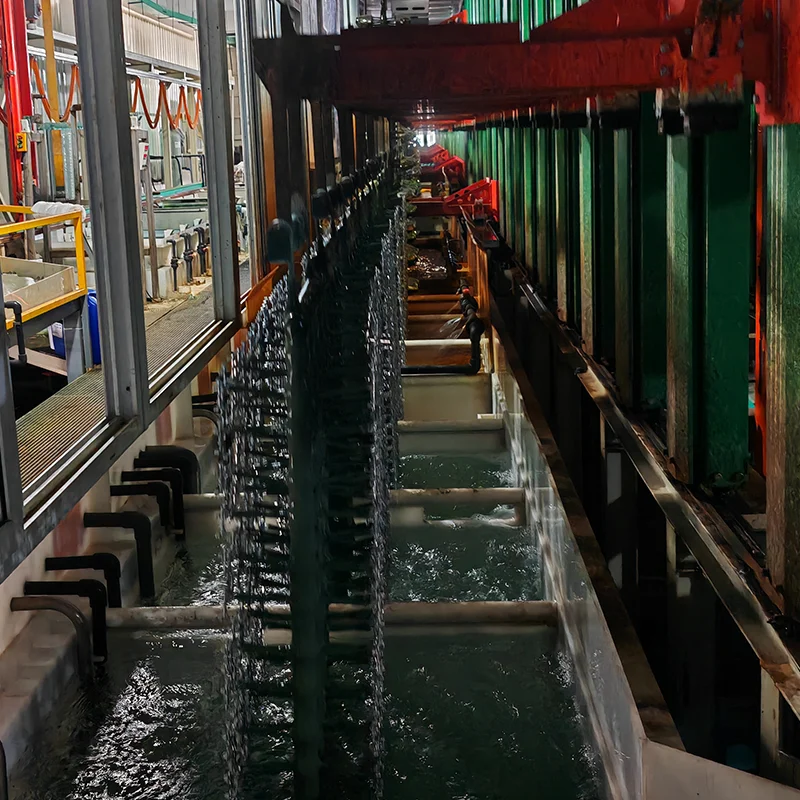
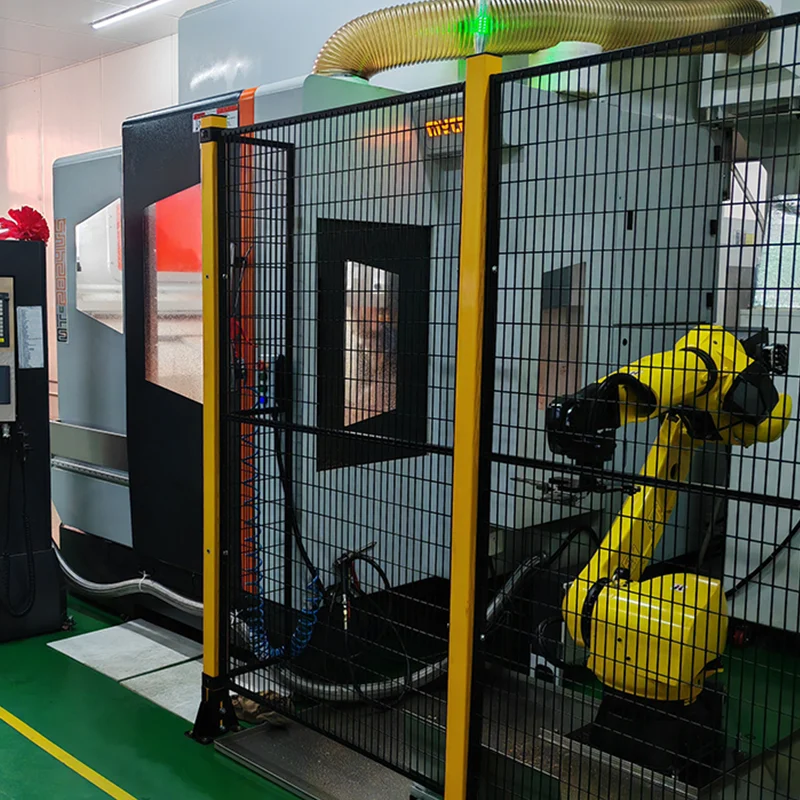
Choosing the right manufacturing partner is essential for brands that require consistent quality, flexible customization, and reliable supply. Jekare is a professional bathroom fixture manufacturer based in Xiamen, China, specializing in OEM/ODM solutions for toilet seats, toilet seat covers, showers, faucets, and related bathroom products. With strong plastic injection molding capabilities, precision manufacturing processes, and strict quality control systems, we help global brands develop products that meet different market requirements. Our custom toilet seat cover solutions support personalized dimensions, materials, colors, hinge structures, surface finishes, and functional upgrades. Compared with standard suppliers, Jekare provides better control over product consistency, mold development, and production scalability. Whether you need a durable plastic toilet seat, a premium soft-close design, or customized toilet seat solutions for large-volume projects, we help transform your product concept into a reliable market-ready solution.
Selecting a high-quality toilet seat requires careful consideration of material performance, installation compatibility, user requirements, and supplier capability. While different materials such as wood, stainless steel, ceramic, and plastic each have their own advantages, engineering plastic solutions such as BPT-based toilet seats remain one of the most practical choices for modern bathroom applications due to their durability, cost efficiency, and manufacturing flexibility.
A successful toilet seat program is not only about producing a functional bathroom accessory. It requires accurate dimensions, reliable hinge systems, stable materials, strict quality control, and a manufacturing partner that understands global market expectations.
For brands looking for customized toilet seat covers, toilet seat replacement solutions, or advanced bathroom products, working with an experienced OEM manufacturer can reduce development risks and improve product competitiveness.
At Jekare, we combine engineering expertise, manufacturing experience, and quality management to support customized bathroom solutions for global customers. If you are developing a new toilet seat project or upgrading your existing product line, we welcome you to share your requirements and work with our team to create a reliable solution.
High-quality engineering plastics such as BPT are widely used because they provide strong durability, dimensional stability, easy cleaning, and cost-effective production for different bathroom applications.
A proper toilet seat replacement requires checking the toilet bowl shape, seat length, width, mounting hole distance, and hinge compatibility before purchase.
Yes. A bidet toilet seat can improve hygiene, reduce toilet paper usage, and provide additional comfort features, making it increasingly popular in residential and premium bathroom markets.
Brands should evaluate the supplier’s material capability, mold development experience, quality control system, customization ability, production capacity, and export experience to ensure stable product performance.
Jekare is a professional Xiamen-based bathroom fixture manufacturer providing OEM/ODM toilet seat solutions with customized designs, reliable production control, and manufacturing expertise for global bathroom brands.
This is Laura Bennett, Toilet Seat System Engineer at JEKARE. I specialize in soft-close damping technology, hinge durability design, and ergonomic seating structure optimization. My focus is improving comfort, hygiene, and long-term mechanical stability.
Our toilet seats are engineered for quiet operation, high load resistance, and user comfort.Upgrade your bathroom product line with premium seat systems.Contact us for customization and bulk production.