Call us: +86-18965139230 | Mail to us: info@jekare.com

Bathroom accessibility and hygiene upgrades are becoming a bigger priority for homeowners, hotels, healthcare facilities, and senior-care projects. One of the most practical combinations in modern sanitary ware is a bidet toilet setup paired with a raised toilet seat. This solution improves comfort, supports easier sitting and standing, and adds a more hygienic cleaning method to the bathroom.
For manufacturers, distributors, and project buyers, the real value is not only in installation convenience but also in product compatibility, durability, and long-term user safety. A well-designed toilet seat cover, toilet seat lids, or plastic seat cover should work smoothly with a handheld bidet or other water-cleaning system without compromising stability. That is exactly where professional factories like Jekare bring real advantage: precise mold development, stable production control, and OEM/ODM customization for different bathroom markets.
Below is a practical guide to installing a bidet with a raised toilet seat, along with a B2B perspective on product selection and why the right manufacturing partner matters.
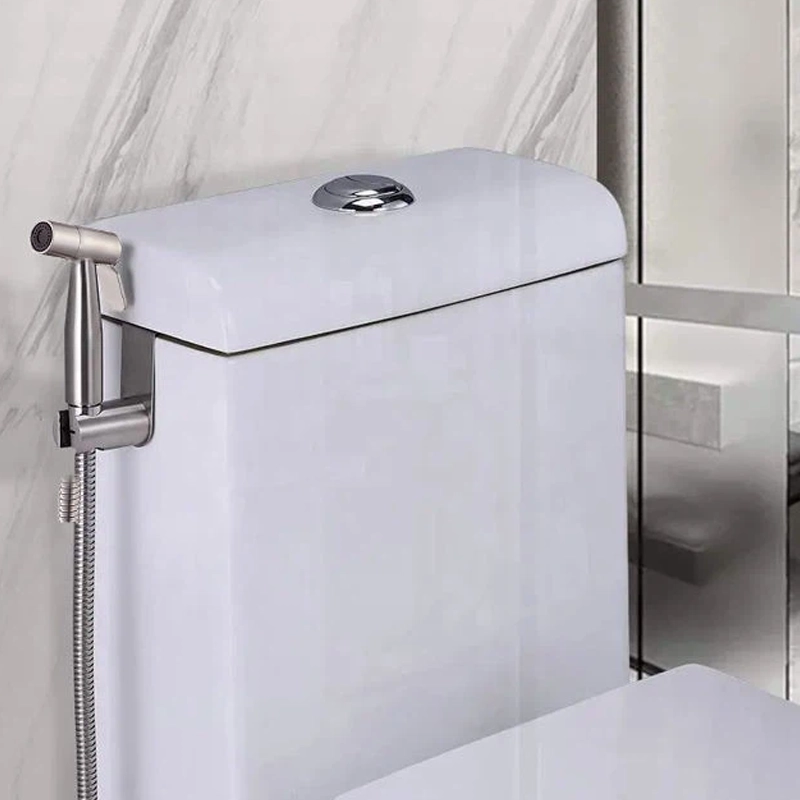
Installing a bidet with a raised toilet seat requires careful coordination between the toilet base, the seat structure, the bidet attachment, and any safety accessories such as toilet rails. The goal is to create a bathroom setup that is secure, comfortable, and easy to clean.
A raised seat can help users who need extra height, while a handheld bidet adds hygienic water cleaning. When these parts are paired correctly, the result is a more accessible and practical bidet toilet solution for homes, assisted-living facilities, hotels, and public projects.
Before installation, it is important to confirm:
Before beginning, prepare the required components so the installation can be completed smoothly.
Typical supplies include:
For B2B buyers and installers, choosing compatible parts in advance reduces installation delays and avoids return issues.
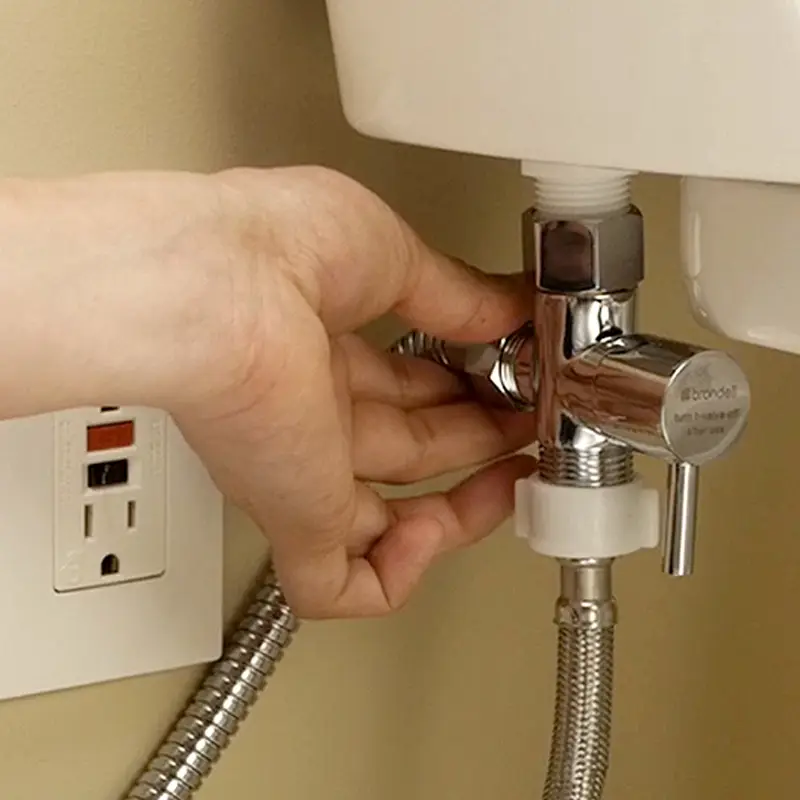
The installation usually requires only basic tools, but precision matters.
Recommended tools include:
If the project includes a plastic seat cover or a heavier raised seat model, it is important to confirm that the mounting system can support the load comfortably.
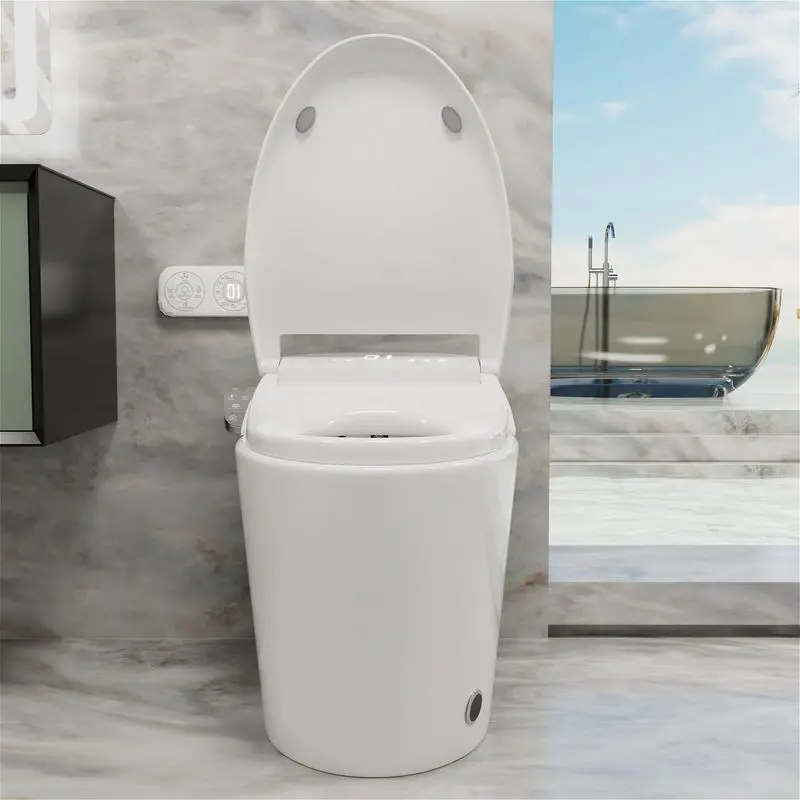
A correct installation sequence helps protect the toilet, the seat, and the bidet hardware.
Turn off the water supply if necessary and remove the existing toilet seat. Loosen the hinge bolts carefully so you do not damage the ceramic fixture or the existing seat mounting points. If the current seat is a toilet seat cover system, keep all fasteners organized in case they are needed later for compatibility checks.
For commercial projects, this step is also a good time to inspect the bowl shape and mounting holes to confirm that the new seat and bidet setup will fit properly.
If the installation includes safety rails, place them first. The rails should be positioned to allow steady support without interfering with the toilet lid, the bidet control, or the user’s movement.
This step is especially important in:
The rail placement should allow comfortable access while maintaining clearance for the bidet toilet setup.
Position the raised toilet seat carefully over the bowl. Make sure it is aligned evenly on both sides. A stable seat is essential for daily use and helps protect the user from wobble or shifting.
If the raised seat is a plastic seat cover type, check the hinge alignment and ensure the material thickness is appropriate for the intended use. In many projects, the seat should also allow easy cleaning around the rim and hinge area.
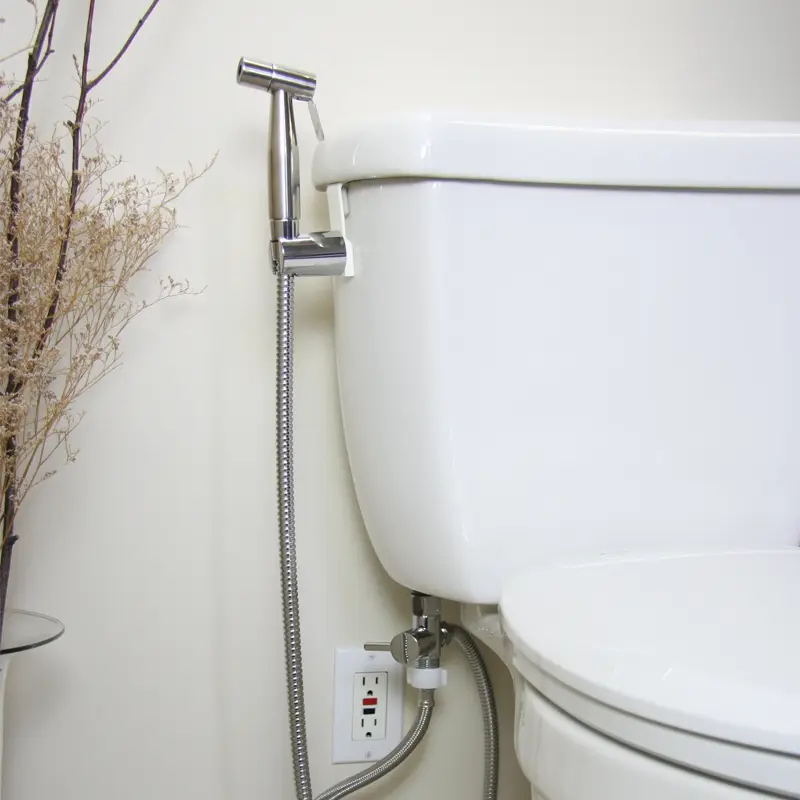
Now install the bidet attachment. If you are using a handheld bidet, connect the water line, T-valve, and hose according to the product design.
Key points to check:
A professionally designed Custom Hand Held Bidet Sprayer For Toilet should deliver smooth pressure control, stable operation, and easy handling. This is especially important for projects that require dependable performance in frequent-use environments.
After the bidet is installed and positioned correctly, reinstall the toilet seat or toilet seat lids over the assembly. Tighten the mounting bolts evenly so the seat remains stable and level.
Before final use:
A good final inspection protects both product performance and end-user safety.
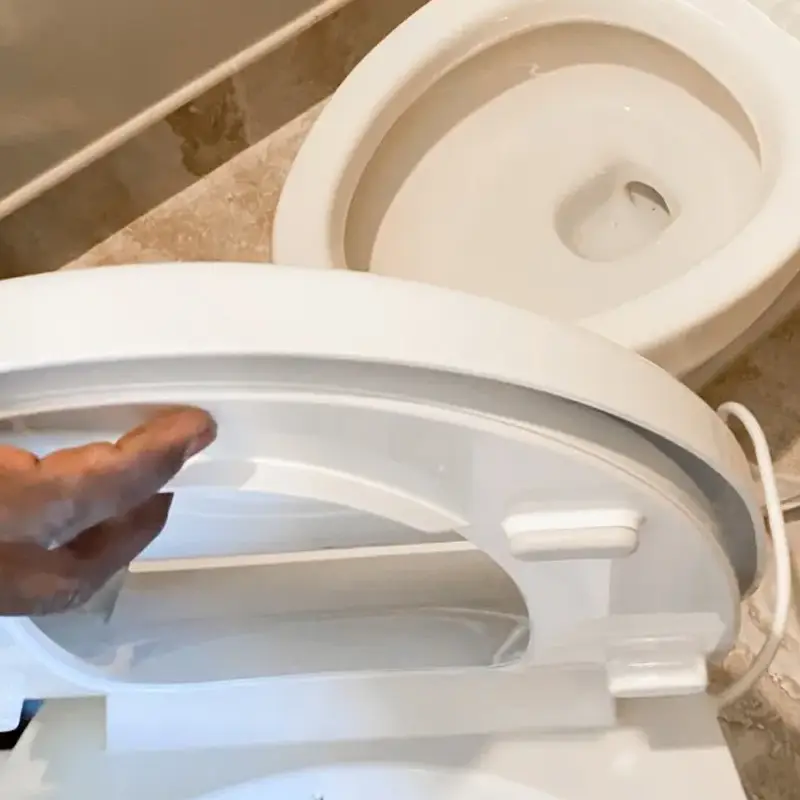
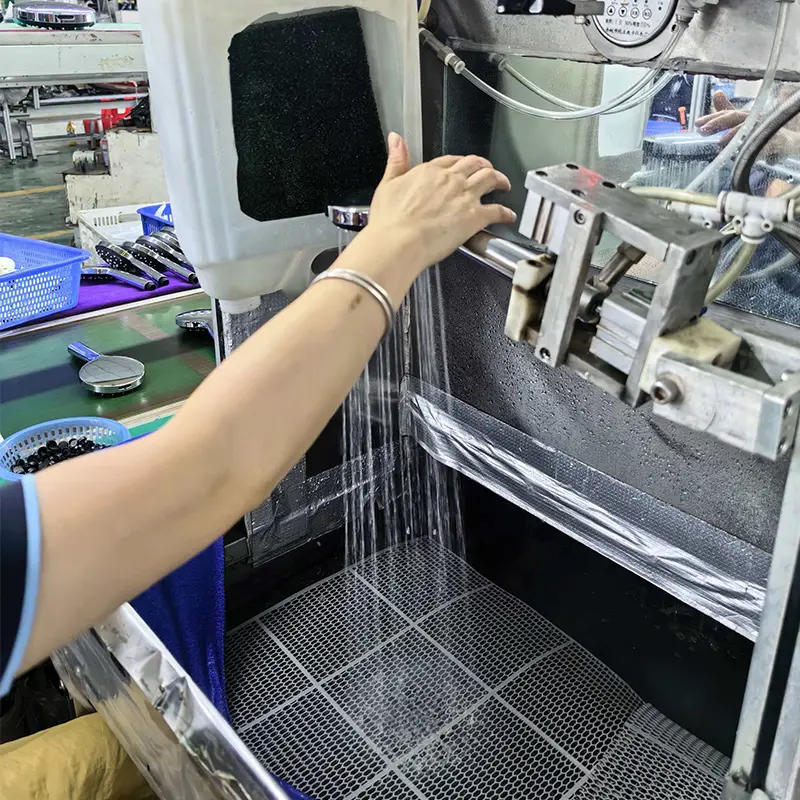
For buyers looking for a reliable bathroom hardware partner, Jekare offers a strong manufacturing foundation built around OEM/ODM customization, stable mold development, and strict quality control. If you need a high-quality, custom-fit hygiene solution, our recommended product is the Custom Hand Held Bidet Sprayer For Toilet, designed for flexible cleaning, ergonomic handling, and long-term performance in residential and commercial applications. Our factory’s advantage lies in precision tooling, consistent production control, and the ability to customize not only the handheld bidet itself but also related bathroom components such as toilet seat cover, toilet seat lids, and compatible mounting systems. For B2B customers, this means easier product integration, better market differentiation, and more dependable batch-to-batch quality. Choosing Jekare gives you a manufacturing partner that understands both functional requirements and export-ready product standards.
Installing a bidet with a raised toilet seat is a smart upgrade for users who need more comfort, better hygiene, and improved accessibility. When the seat, safety rails, and bidet are selected and installed correctly, the result is a practical bidet toilet solution that works in both residential and commercial settings. A well-made handheld bidet and a stable toilet seat cover system can make a bathroom easier to use, easier to clean, and more comfortable for a wide range of users.
For brands, distributors, and project buyers, the key is choosing a manufacturer that can deliver consistency, customization, and quality control at scale. What type of bidet and raised-seat configuration would work best for your next bathroom project?
Yes. Most toilets can support a handheld bidet if the correct water connection and mounting setup are used.
Yes, as long as the seat is installed securely and the bidet hose does not interfere with movement or stability.
A toilet seat cover usually refers to the full seat assembly, while toilet seat lids are the upper closing part of the seat.
Yes. We provide OEM/ODM customization for handheld bidet systems, seat structures, finishes, and packaging.
High-quality PP or durable engineering plastics are commonly preferred for strength, hygiene, and long-term use.
This is Laura Bennett, Toilet Seat System Engineer at JEKARE. I specialize in soft-close damping technology, hinge durability design, and ergonomic seating structure optimization. My focus is improving comfort, hygiene, and long-term mechanical stability.
Our toilet seats are engineered for quiet operation, high load resistance, and user comfort.Upgrade your bathroom product line with premium seat systems.Contact us for customization and bulk production.