Call us: +86-18965139230 | Mail to us: info@jekare.com

In modern sanitary manufacturing, precision and repeatability define product quality. For components such as sanitary parts, sink faucet bodies, shower faucet structures, and even certain kithchen faucet cores, casting technology determines not only shape but also long-term durability and surface finishing performance.
Among different casting methods, gravity die casting is widely used in mid-to-high-end bathroom hardware production because it balances cost efficiency with structural strength and surface quality. For OEM manufacturers like Jekare, this process is a core part of producing stable, export-grade faucet bodies and accessories.
Gravity die casting is a metal casting process where molten metal is poured into a permanent steel mold using only gravity, without external high pressure. The metal naturally fills the mold cavity, forming dense and dimensionally stable components.
Unlike high-pressure die casting, this method produces fewer internal air pockets, making it ideal for durable bathroom components such as sink faucet bodies and structural parts of shower faucet systems.
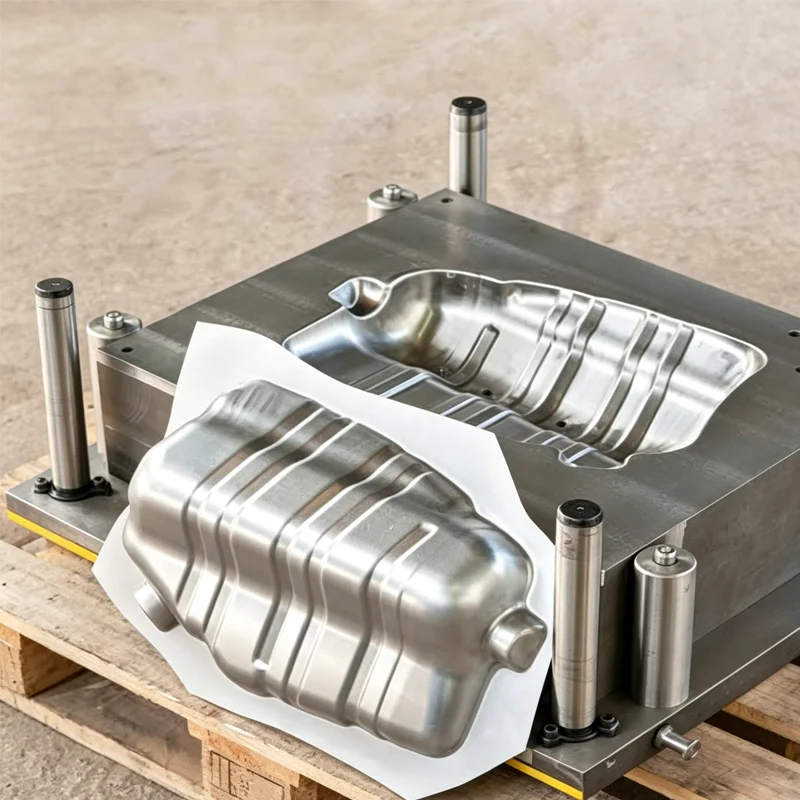
In sanitary ware production, gravity die casting follows a controlled engineering workflow:
For sanitary parts, this process ensures consistent wall thickness, reduced porosity, and strong mechanical performance—critical for water-pressure-bearing components like faucet bodies.
Factories like Jekare integrate CNC finishing after casting to ensure precise threading and smooth surface readiness for plating or PVD coating.
The most common materials used include:
These materials are widely used in shower faucet housings, faucet bodies, and structural connectors in kithchen faucet and bathroom systems.
Aluminium is the most widely used material in gravity die casting for bathroom hardware.
Benefits include:
Aluminum cast components are often used in decorative faucet bodies, especially in mid-range sink faucet and bathroom accessories.
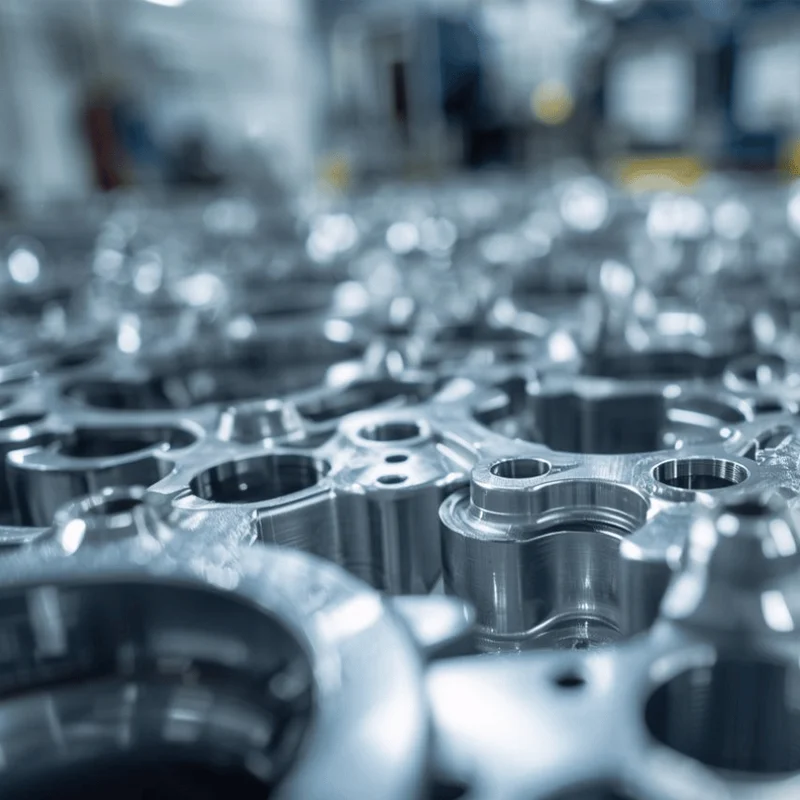
Understanding differences helps OEM buyers choose the right process:
Low Pressure Die Casting
High Pressure Die Casting
Gravity Die Casting
Gravity casting is often chosen for products requiring both visual quality and mechanical stability.
Gravity die casting is widely used in:
It is especially suitable for mid-to-high volume OEM production where consistency is critical.
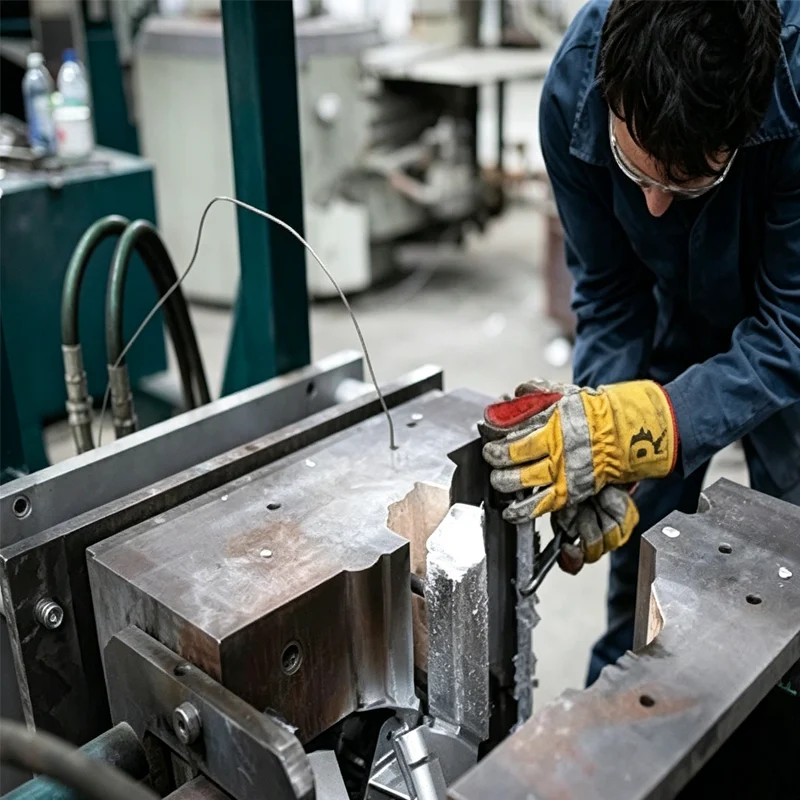
In modern bathroom manufacturing, gravity die casting plays a central role in producing reliable sanitary parts that require both structural strength and aesthetic finish quality. At Jekare, this process is combined with CNC machining, polishing, and surface finishing systems to ensure every component meets export-level standards. Whether producing sink faucet bodies, shower faucet assemblies, or kithchen faucet structures, our factory ensures consistent density, precise geometry, and stable performance across mass production.
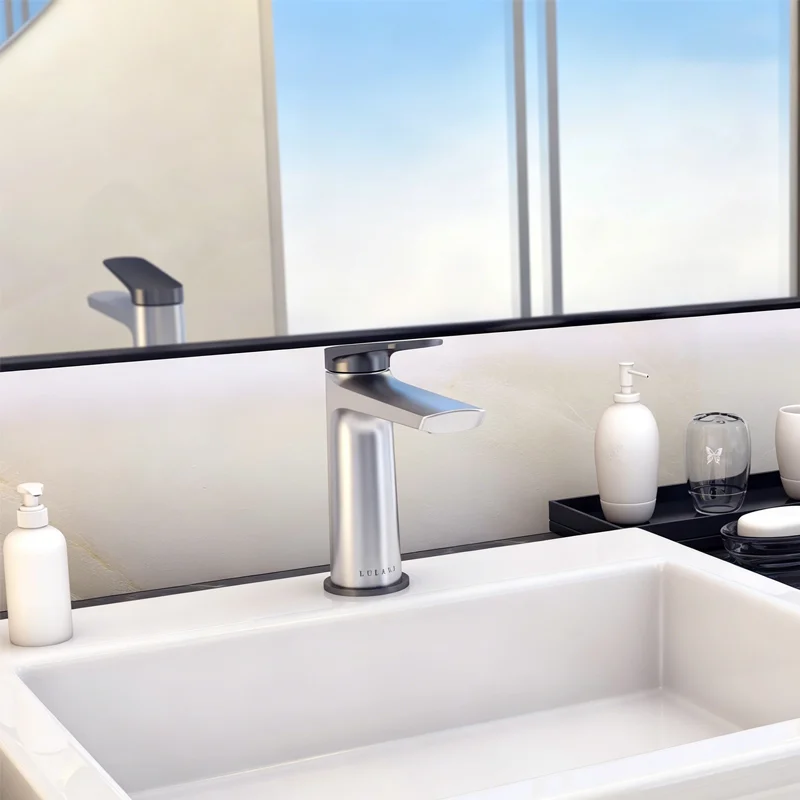
For global buyers seeking reliable OEM/ODM manufacturing, Jekare provides a fully integrated production system covering gravity die casting, CNC machining, polishing, electroplating, PVD coating, assembly, and final inspection. If you are looking for a high-quality, market-ready solution, we recommend our Matte Black Bathroom Sink Faucet, designed with precision casting technology and modern surface finishing for both durability and aesthetic appeal. Our factory advantage lies in in-house mold development, controlled casting parameters, advanced inspection equipment, and flexible customization for global brands. Choosing Jekare means working with a manufacturer that understands both engineering performance and commercial product positioning for sink faucet, shower faucet, and kithchen faucet product lines.
Gravity die casting remains one of the most balanced manufacturing methods in the sanitary industry. It delivers a strong combination of durability, cost efficiency, and surface quality—making it ideal for faucet bodies and structural bathroom components. For OEM buyers, understanding this process helps in selecting the right manufacturing partner and ensuring long-term product stability in global markets.
If you are developing your next sanitary parts or faucet product line, would gravity die casting be the right balance between performance and cost for your project?

It is mainly used for faucet bodies, connectors, and structural sink faucet and shower faucet components.
It depends on the application—gravity casting offers better density, while high-pressure casting is faster for mass production.
Aluminum and zinc alloys are most commonly used for kithchen faucet and bathroom hardware.
Yes, it supports excellent surface preparation for PVD and electroplating finishes.
Yes, Jekare offers full OEM/ODM gravity die casting solutions including design, tooling, and mass production.
This is Michael Grant, Manufacturing Systems Director at JEKARE. We are a professional OEM/ODM manufacturer based in Xiamen, specializing in bathroom and kitchen sanitary ware with a strong focus on process-driven production.
With years of hands-on experience in shower systems, faucets, toilet seats, and related accessories, my focus is on end-to-end manufacturing stability—from mold development and precision injection molding to surface finishing, assembly, and final inspection.
At JEKARE, every production stage is strictly controlled under ISO 9001:2015 standards to ensure consistent quality, dimensional accuracy, and long-term product reliability for global brands.We don’t just manufacture products—we engineer stable production systems for your brand success.Contact us to start your OEM/ODM project.