Call us: +86-18965139230 | Mail to us: info@jekare.com

A ceiling-mounted shower can completely change the way a bathroom feels. Instead of a narrow, directional spray, a properly designed rain shower head creates a soft, even water pattern that feels more like natural rainfall. That is why the rainfall shower head, ceiling shower head, ceiling mounted shower head, and overhead shower head remain popular in residential bathrooms, luxury hotels, spa projects, and premium renovations.
The short answer is yes, a rain shower head can be installed in the ceiling—but only when the plumbing structure, water pressure, and mounting system are suitable. The real difference between a successful installation and a disappointing one usually comes down to planning, product quality, and manufacturing precision.
For project buyers and bathroom brands, the question is not just whether installation is possible. The more important question is whether the product is engineered to perform well once it is installed. That is where professional factories like Jekare make a measurable difference. With strong tooling capability, OEM/ODM support, DFM analysis, precision testing, and stable mass-production systems, Jekare helps customers develop reliable ceiling-mounted shower solutions that are built for long-term use.
If you are considering a ceiling shower upgrade, this guide will walk you through the installation process, buying criteria, and why a product like our Square Shower Head With Sprayer is a practical option for both residential and commercial projects.
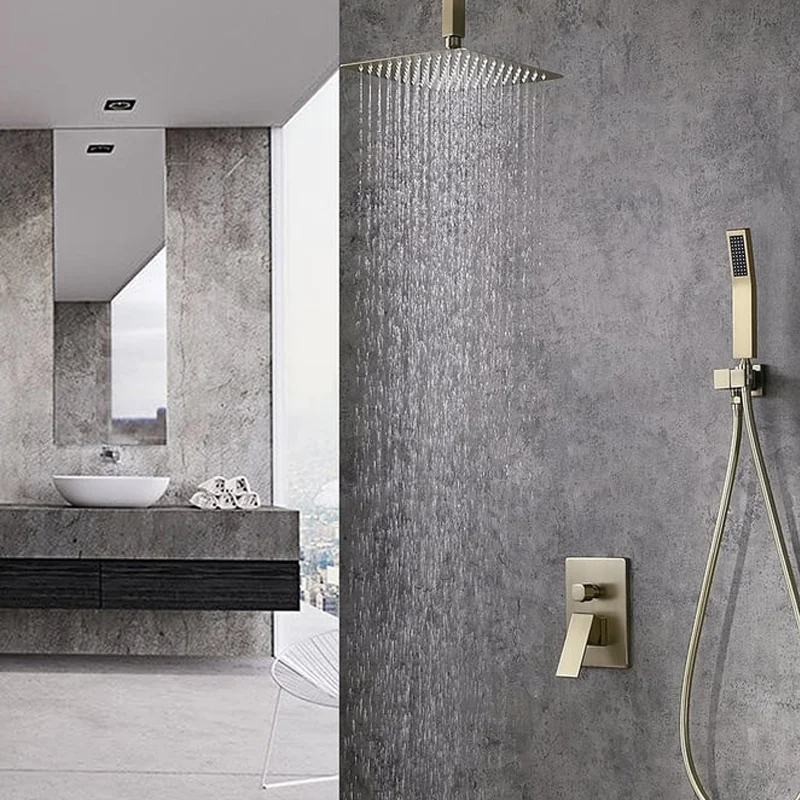
A rain shower head is a wide-format shower fixture designed to distribute water across a larger surface area than a standard showerhead. The result is a gentler, more immersive shower experience. Unlike a concentrated spray, a rainfall shower head is built to simulate the feeling of standing in light rain.
These products are commonly used as:
For B2B buyers, rain showerheads are attractive because they add value to a bathroom while aligning with modern design trends. They are especially appealing in projects where aesthetics, comfort, and premium positioning matter.
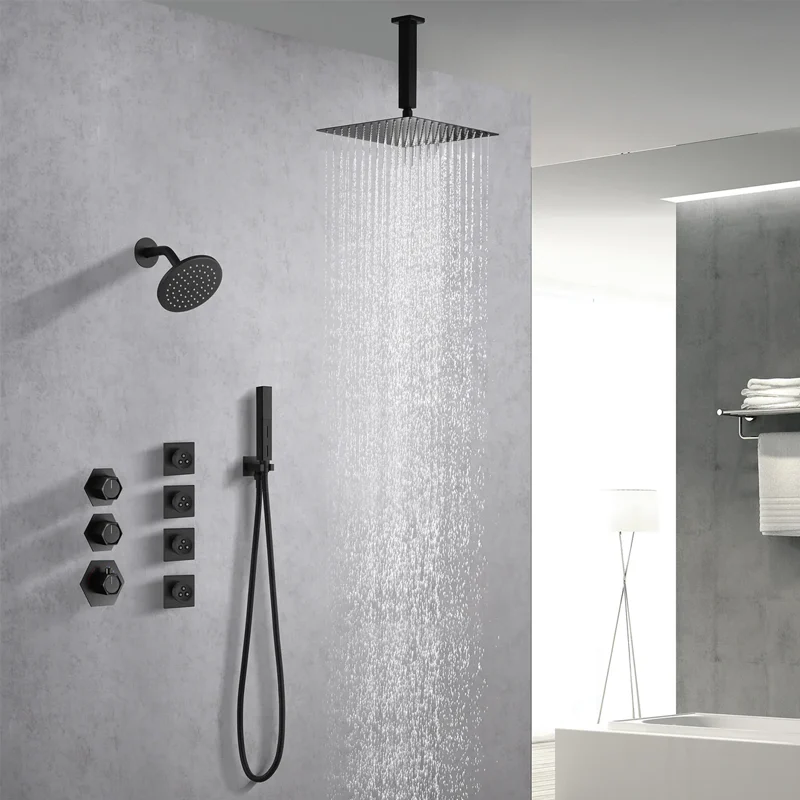
Installing a ceiling or overhead shower head is usually straightforward for a qualified plumber, but the exact process depends on the plumbing layout and the shower model.
Before starting, make sure the installer has the following:
A professional installation is especially important for a ceiling mounted shower head, because concealed plumbing must be aligned correctly before the fixture is attached.
Remove the existing fixture carefully. If the old showerhead is stuck, use a cloth to protect the finish while loosening it with a wrench. This is also a good time to check whether the current pipe outlet is in good condition.
Clean the shower arm threads thoroughly. Any old tape, mineral buildup, or debris can cause leakage later. If the pipe surface is damaged, it should be repaired before the new shower is installed.
Wrap fresh plumber’s tape around the threads in the direction of the connection. This helps create a tighter seal and reduces the chance of dripping.
Thread the new rain shower head or ceiling shower head into place carefully. Do not force it. The connection should feel smooth and secure.
Use only moderate force. Over-tightening can damage threads or sealing parts, especially on lightweight fixtures or plated finishes.
Wipe down the fixture and surrounding area. If the shower is part of a renovation project, make sure the ceiling connection, arm, and sealing points are all aligned neatly.
Run the water and check for:
A larger overhead shower head should always be matched with appropriate water pressure. If pressure is too low, the spray may feel weak even if the fixture is high quality. This is why product design and plumbing compatibility matter just as much as appearance.

Buying a shower head should never be based on appearance alone. For distributors, contractors, and brand owners, the following factors are especially important.
The right size depends on the bathroom layout and the desired shower effect. A larger rainfall shower head creates more coverage, while a compact model is easier to integrate into smaller spaces.
The installation height affects both comfort and performance. A well-positioned ceiling mounted shower head should allow users to stand naturally under the spray without splash issues or awkward angles.
A wide shower head needs enough pressure to deliver a satisfying spray pattern. If pressure is too low, the shower may feel flat. If pressure is too high, splashing may increase.
Ceiling installation is more premium, but it also requires more planning. You need to confirm:
For OEM buyers, these details should be reviewed during the design stage, not after production starts.
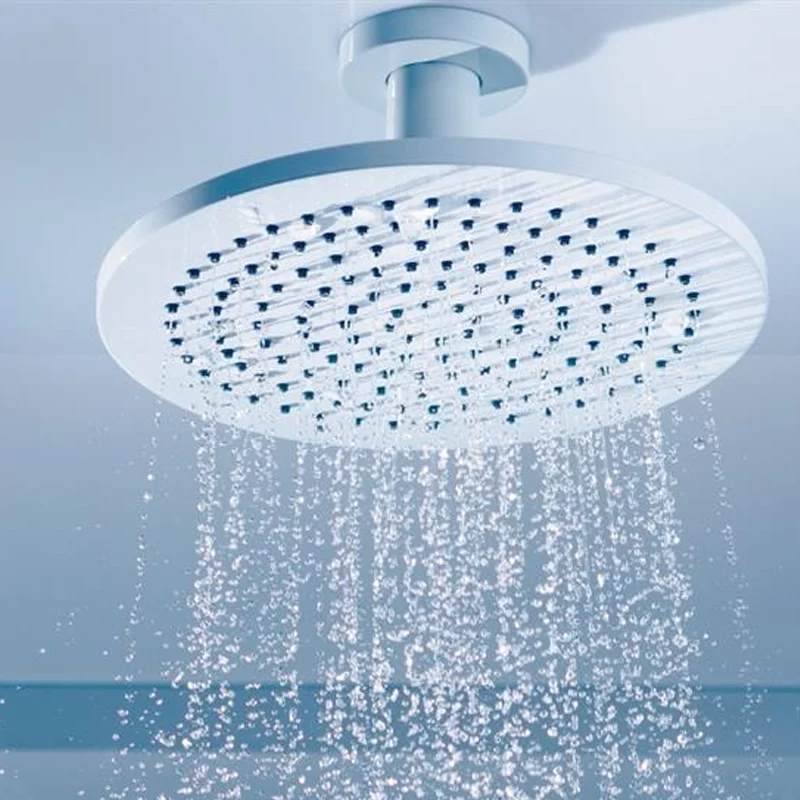
For brands, distributors, and project buyers looking for a dependable ceiling shower solution, Jekare provides OEM and ODM manufacturing support with strong tooling capability, precision testing, and consistent production control. If you want a high-quality, customized, and practical rain shower solution, we recommend our Square Shower Head With Sprayer, which combines modern design with stable water distribution and reliable installation performance. This product is especially useful for customers who want a premium rain shower head that can work as a ceiling shower head or ceiling mounted shower head in different bathroom projects. From a B2B manufacturing perspective, Jekare offers custom sizing, finish options, DFM support, and scalable production, making it easier to develop a shower program that meets both design goals and commercial targets.
Yes, you can install a rain shower head in the ceiling, but the best results come from proper planning, the right plumbing conditions, and a product designed for real-world use. A ceiling installation can create a more luxurious shower experience, but it also places greater demands on water pressure, mounting accuracy, and fixture quality. That is why it is important to choose a manufacturer that understands both product design and production discipline.
For buyers in the bathroom industry, the value is not only in the appearance of the rainfall shower head or overhead shower head—it is in how well the product performs after installation, how consistently it can be manufactured, and how reliably it meets project requirements. If you are sourcing a ceiling-mounted solution or planning a custom shower line, what kind of spray experience and finish would best fit your market?

Not always. The fixture must be compatible with ceiling plumbing, mounting support, and water pressure requirements.
Often yes. A ceiling mounted shower head usually requires concealed plumbing or a properly aligned ceiling outlet.
A ceiling option delivers a more natural rainfall feel, while a wall-mounted one is often easier to retrofit and install.
That depends on the bathroom size, ceiling height, and water pressure. Larger heads provide broader coverage but need stronger flow support.
Yes. We provide OEM/ODM customization for size, spray pattern, surface finish, and packaging based on project needs.
This is Olivia Carter, Lead Engineer for rain shower systems at JEKARE. With 20+ years of experience in shower engineering, I specialize in rainfall distribution design, ultra-thin panel structure optimization, and consistent water flow balancing. My focus is creating natural rainfall experiences while maintaining pressure efficiency and corrosion resistance.
Each rain shower head is engineered to deliver full-coverage comfort with premium visual design for modern bathroom spaces.Looking for high-performance rain shower solutions?Contact our team for customized OEM/ODM development.