Call us: +86-18965139230 | Mail to us: info@jekare.com

Many homeowners and even some bathroom product buyers assume that all shower hoses are universal. In reality, shower hose sizing can vary depending on regional plumbing standards, installation requirements, showerhead compatibility, and intended application. Whether you are selecting a shower head and hose system, replacing a damaged shower pipe, or sourcing an extra long shower hose for hospitality projects, understanding shower hose sizing is essential for ensuring proper installation and long-term performance.
As bathroom systems continue evolving toward more flexible and customizable designs, manufacturers like Jekare focus heavily on precision engineering, compatibility testing, and OEM customization to ensure every shower hose solution meets global market standards.
If you are planning to upgrade your bathroom or source customized shower systems for commercial projects, this guide explains everything you need to know about shower hose sizes, compatibility, materials, and selection factors.
Although shower hoses may appear simple, their size and construction directly affect water flow, user comfort, installation compatibility, and product durability.
Choosing the correct shower hose size impacts:
An incorrectly sized shower hose extension can lead to restricted water flow, connection leaks, or uncomfortable shower usage.
Several technical factors should be evaluated before purchasing a shower hose:
Professional manufacturers like Jekare typically verify these specifications during OEM product development.
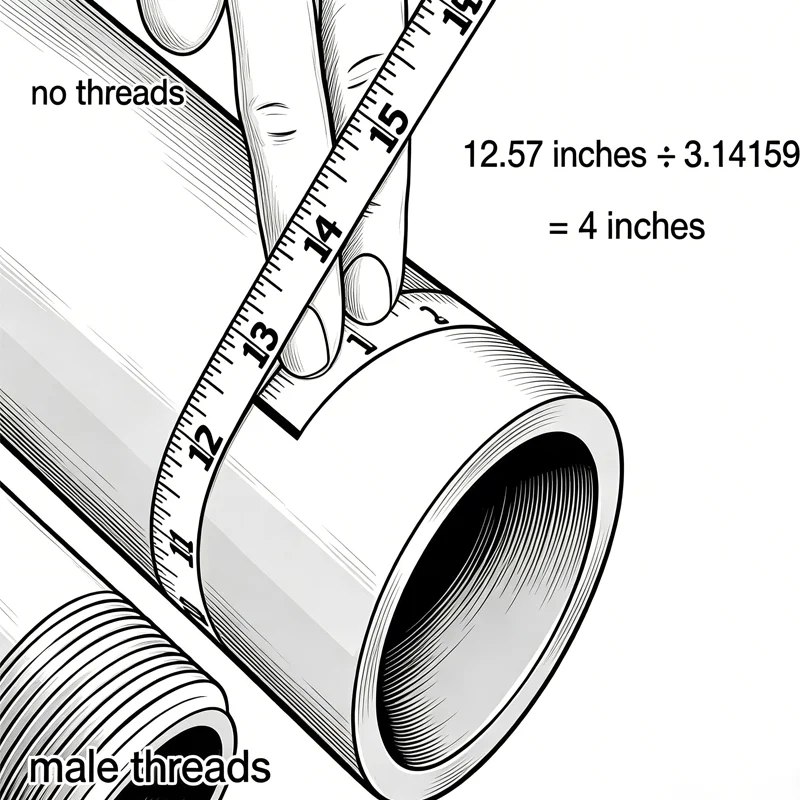
To determine the correct size:
For hotels and accessibility applications, extra long shower hose systems are often preferred for increased flexibility.
The ideal shower hose size depends on your bathroom configuration and user requirements.
The hose diameter affects water delivery efficiency.
A hose that is too narrow may:
A properly engineered shower head and hose system balances flexibility with optimized flow performance.
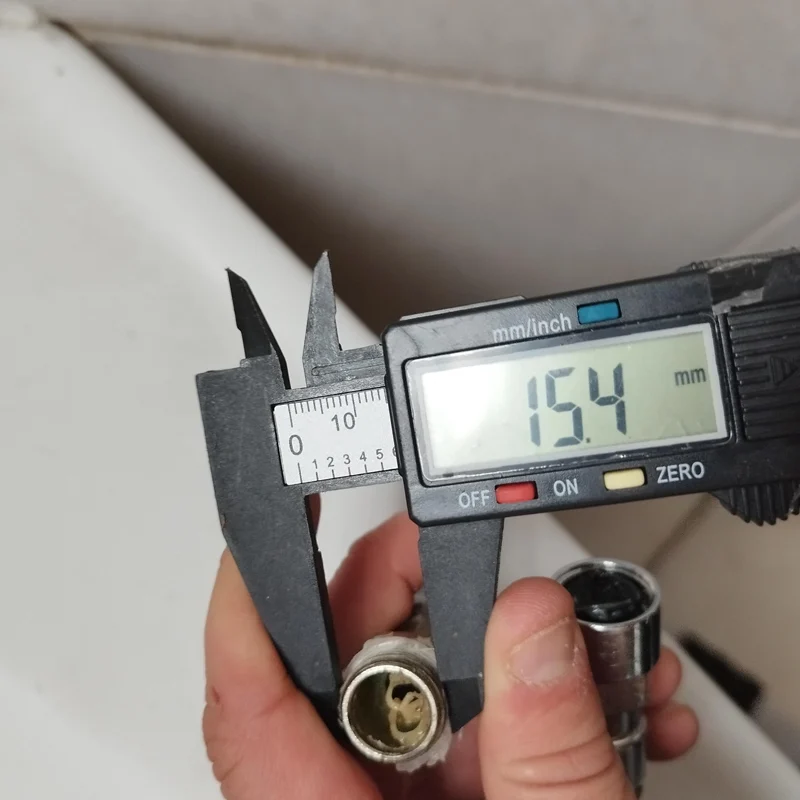
Key selection factors include:
For luxury bathrooms and hospitality projects, shower hose extension systems often improve usability and flexibility.
Common shower hose lengths include:
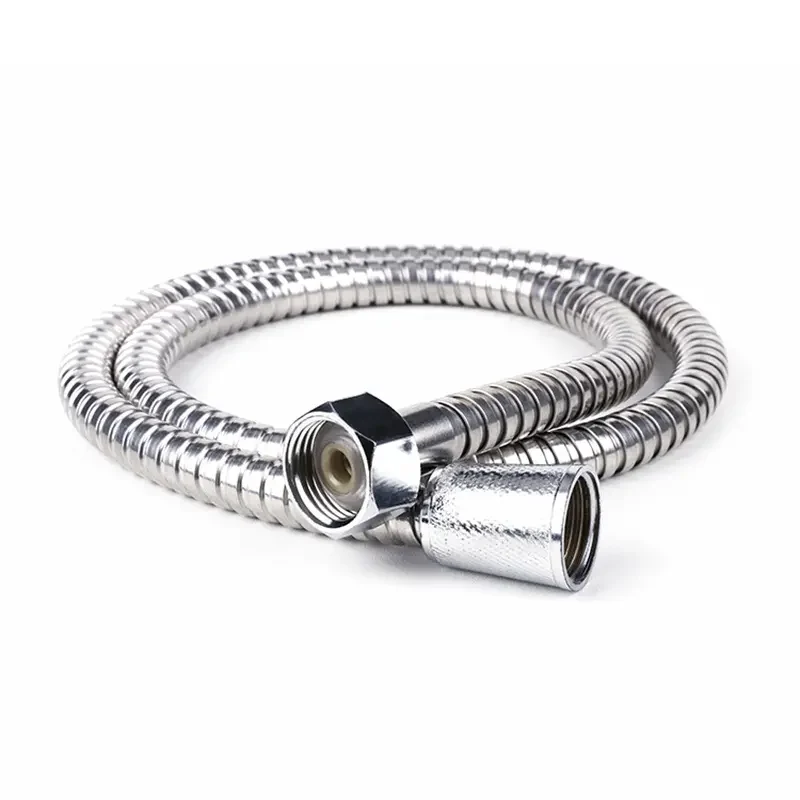
Different shower hose sizes are designed for different installation environments and user needs.
Most modern shower hoses use:
These standards improve compatibility between shower heads, valves, and shower pipe systems.
Beyond length and threading, buyers should also consider:
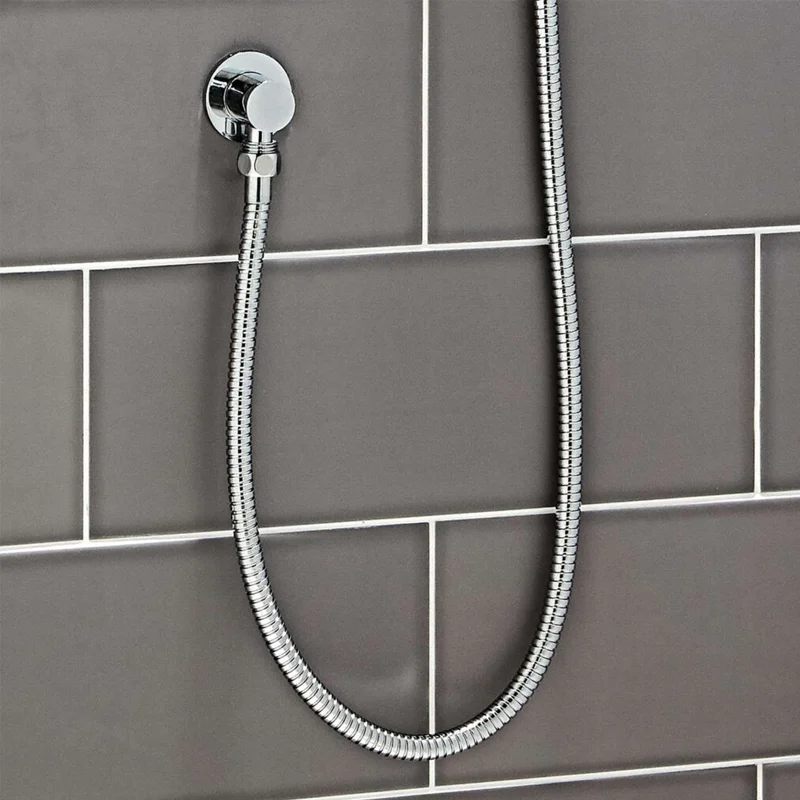
A properly sized hose provides:
Improper sizing may result in:
Selecting the right shower hose involves balancing technical compatibility with long-term durability.
High-pressure systems may require reinforced hose structures and larger internal diameters.
| Hose Length | Typical Application | Recommended Use |
|---|---|---|
| 1.2m | Compact bathrooms | Standard residential use |
| 1.5m | Most common size | General household use |
| 1.75m | Flexible movement | Family bathrooms |
| 2m+ | Accessibility & hotels | Extra reach applications |
Larger showerheads such as rain shower head systems may require hoses with higher flow capacity.
| Shower Head Type | Recommended Hose |
|---|---|
| Handheld shower | Standard flexible hose |
| Rain shower with handheld | Reinforced flexible hose |
| Luxury spa systems | Anti-twist stainless steel hose |
Longer hoses improve flexibility but may require anti-kink engineering for smooth operation.
| Bathroom Type | Suggested Hose Length |
|---|---|
| Apartment bathroom | 1.2–1.5m |
| Family bathroom | 1.5–1.75m |
| Hotel shower room | 1.75–2m |
| Barrier-free bathroom | 2m+ |
Material quality greatly affects product lifespan.
Common options include:
| Material | Durability | Flexibility | Corrosion Resistance |
|---|---|---|---|
| PVC | Moderate | High | Moderate |
| Rubber | Good | Excellent | Good |
| Stainless Steel | Excellent | Good | Excellent |
For best results:
For buyers seeking high-quality and customized shower hose solutions, Jekare provides professional OEM and ODM manufacturing support tailored to global bathroom markets. We specialize in developing customized shower head and hose systems, shower hose extension products, extra long shower hose configurations, and black shower hose designs with flexible sizing and international thread compatibility. Our factory integrates advanced tooling development, precision metal processing, automated hose assembly lines, and strict durability testing systems to ensure long-term performance and leak resistance. From a professional B2B manufacturing perspective, choosing Jekare provides key advantages including custom length development, finish customization, anti-twist engineering optimization, scalable production capability, and stable global supply support, helping distributors and bathroom brands develop differentiated shower hose products with improved installation compatibility and market competitiveness.
Although many shower hoses follow common plumbing standards, not all shower hoses are exactly the same size or configuration. Factors such as hose length, diameter, threading standards, material construction, and application environment all influence compatibility and performance. Whether you are replacing a residential shower head and hose system, sourcing an extra long shower hose for hospitality projects, or developing customized bathroom products for international markets, selecting the correct hose specification is essential for long-term reliability and user comfort. By partnering with an experienced manufacturer like Jekare, buyers gain access to advanced customization capability, precision engineering, and scalable OEM production support designed to meet the demands of modern bathroom systems. What type of shower hose solution best fits your next bathroom project?
A shower hose connects the handheld showerhead to the water supply, allowing flexible movement and improved shower usability.
The most common sizes range from 1.2m to 2m depending on bathroom layout, user preference, and installation requirements.
The hose transfers water from the valve or shower pipe to the handheld showerhead while allowing flexible movement during use.
High-quality hoses provide better durability, leak resistance, smoother flexibility, and improved corrosion resistance.
Turn off the water supply, unscrew the old hose, check thread compatibility, and install the new hose with sealing washers.
Leaks are often caused by worn washers, damaged threads, or improper installation. Replacing seals or the hose usually resolves the issue.
Stainless steel hoses generally offer better durability and corrosion resistance, while rubber hoses provide greater flexibility.
Pricing depends on material, length, finish, and design quality, ranging from budget residential hoses to premium OEM shower hose systems.
This is Andrew Scott, Flexible Plumbing Systems Engineer at JEKARE, specializing in shower hose design and reinforcement structures. I focus on anti-kink performance, burst resistance, and corrosion-resistant outer materials for long-term durability.
Our shower hoses ensure smooth water flow and reliable performance under high-pressure conditions.Looking for durable shower hose solutions?Contact us for OEM/ODM manufacturing support.